




Global Stress Crisis: 70% of Employees Say World Affairs Are Crippling Their Productivity at Work
As geopolitical tensions rise, inflation persists, climate disasters intensify, and tech layoffs continue to rattle the economy, a new and concerning trend is emerging inside office walls and Zoom calls alike: global anxiety is now officially a workplace productivity killer.
A recent report reveals that nearly 70% of employees say their mental focus, performance, and engagement at work have been negatively impacted by ongoing world events—ranging from wars and political instability to climate change and economic uncertainty.
Workplace Productivity Is No Longer Just About Deadlines—It’s About Emotional Survival
Historically, productivity challenges have centered around outdated workflows, unclear KPIs, or lack of motivation. But today’s workforce is battling something deeper and more complex: a constant stream of global crises that make it harder to concentrate, stay optimistic, or even care about daily tasks.
According to a 2025 Workplace Mental Health Trends Survey conducted across Fortune 1000 companies:
- 69.4% of respondents said world events like wars, inflation, social unrest, climate emergencies, and AI-driven layoffs have created emotional fatigue that spills directly into their work.
- Over 40% admitted to frequently doomscrolling or checking news sites during work hours, leading to a sharp decline in focus and output.
- 62% say they have trouble sleeping, which then impacts performance the following day.
- Nearly 1 in 4 employees is considering quiet quitting or job hopping to escape environments that don’t acknowledge mental strain.
The New Reality: External Chaos Is Internalized at Work
From rising global temperatures to political instability in major nations, people are mentally processing disaster 24/7. And this stress doesn’t disappear at 9 a.m.—it walks right into the office with them.
“It’s not just about anxiety anymore,” says Dr. Aisha Malhotra, an organizational psychologist based in Delhi. “It’s about collective burnout. We’re seeing a generational shift where people are emotionally maxed out—not from their job per se, but from the world outside their job. Employers who don’t address this are going to see retention rates plummet.”
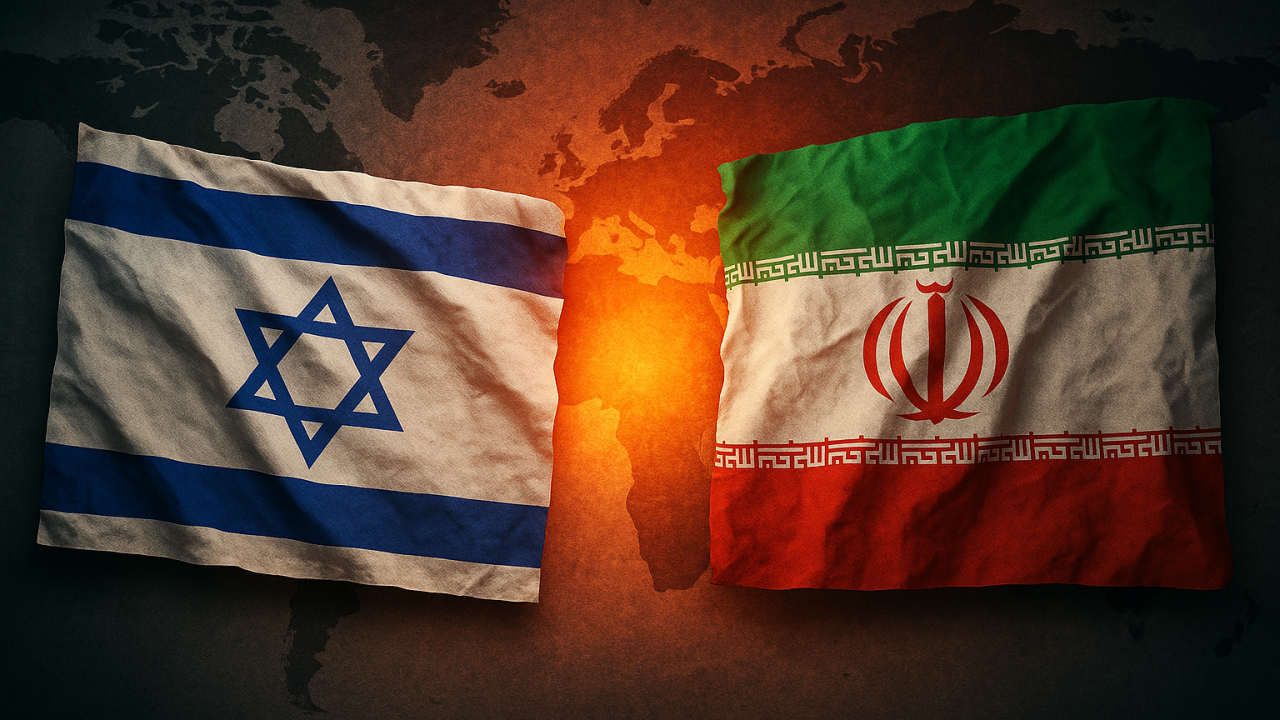
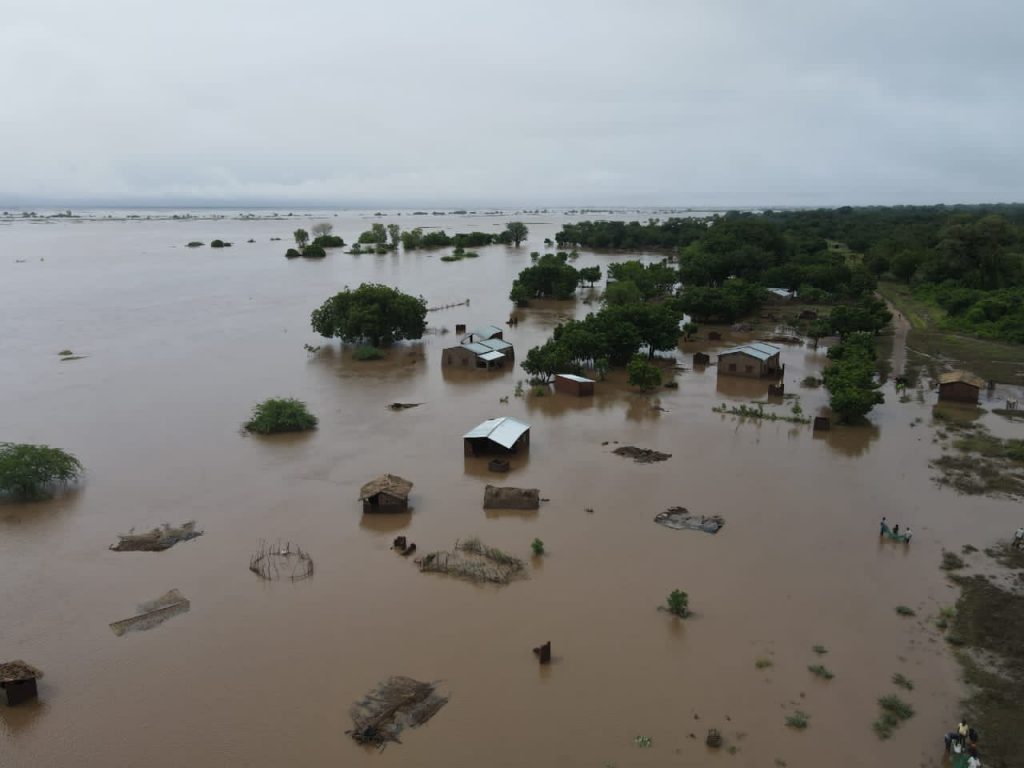
Employees report feeling guilty for disengaging from world issues, yet they’re equally overwhelmed by the sheer volume of tragedy and conflict in the headlines. From the Ukraine-Russia conflict and Middle East tensions, to the climate-driven floods in India and rising fears around AI replacing jobs, there is no longer a “safe space” to mentally recover before the workday begins.
Gen Z and Millennials Are Especially Affected
The report also shows that younger generations are most vulnerable to the mental impact of global chaos:
- 78% of Gen Z employees and 72% of Millennials said they feel “emotionally paralyzed” by world news at least once a week.
- They are more likely to question the purpose of their work in light of larger global problems.
- Many are demanding mental health days, flexible hours, or values-based leadership that takes these issues seriously.
For a generation raised during the 2008 recession, followed by a pandemic and the looming shadow of climate collapse, the constant “crisis mode” is the norm, not the exception.
Employers Are Scrambling—But Most Aren’t Doing Enough
While some companies have launched mental health initiatives, “well-being apps”, and resilience webinars, many employees view these efforts as superficial. “Free yoga classes won’t solve the fact that we’re anxious about war, job security, and the future of democracy,” one tech employee commented anonymously.
What employees want is more human-centered policies, such as:
- Paid mental health leave
- Four-day workweeks
- Mental health counseling with global trauma awareness
- Training for managers on emotional intelligence
- Reduced meeting loads and flexible project timelines
Companies like Salesforce and Microsoft have started testing some of these strategies, but experts say a larger paradigm shift is needed.
The Bigger Picture: Global Stability Is Now a Corporate Issue
What was once considered a personal concern—how one reacts to the news—is now a corporate productivity issue. Businesses cannot afford to ignore the mental load their employees are carrying. Global crises are no longer background noise—they are frontline barriers to engagement, creativity, collaboration, and retention.
In fact, loss of productivity due to stress is estimated to cost the global economy $1 trillion annually, according to the World Health Organization.
The message is clear: emotional resilience is becoming as important as skill sets. And just like businesses invest in cybersecurity or supply chain logistics, they now need to invest in emotional infrastructure to support their people.
Final Takeaway: The New KPI Is Emotional Wellness
We’re entering an era where employee well-being is not a “nice-to-have,” but a strategic imperative. The world outside is volatile, uncertain, and emotionally draining—and pretending that doesn’t affect work is not only naive but costly.
If nearly 70% of the workforce is openly admitting they’re distracted, depleted, and demotivated due to world affairs, business leaders must act—not with gimmicks, but with genuine, systemic changes.
Because when the world is in chaos, the most powerful thing any company can offer is stability, empathy, and a safe space to breathe.