








Forever Chemicals Are in Your Drinking Water: Here’s How Worried to Be—And What to Do About It
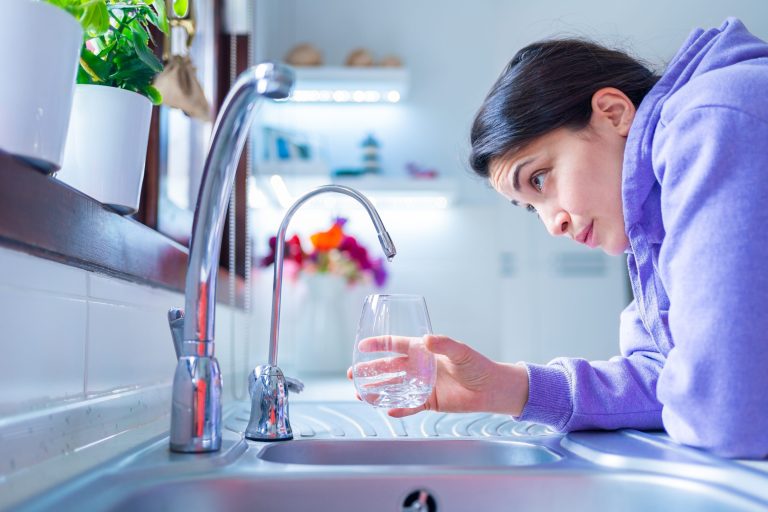
In recent years, the term “forever chemicals” has become an alarming headline—especially when linked to something as essential and everyday as drinking water. These persistent substances, scientifically known as PFAS (per- and polyfluoroalkyl substances), have been found in the water supplies of millions of people worldwide, including in the U.S., Canada, and many parts of Europe and Asia.
So how dangerous are they? Should you be worried? And more importantly—what can you do to protect yourself and your family? This article breaks it all down.
What Are “Forever Chemicals”?
PFAS, or forever chemicals, are a group of more than 12,000 synthetic compounds used since the 1940s in nonstick cookware, waterproof clothing, stain-resistant furniture, firefighting foams, food packaging, cosmetics, and more. They’re called “forever chemicals” because they don’t break down easily in the environment or the human body.
Once consumed, these chemicals can accumulate over time, leading to long-term exposure that may harm your health—even at low levels.
How Do PFAS Get Into Drinking Water?
PFAS chemicals are incredibly resistant to water, oil, and heat. Their widespread use and improper disposal over decades have led them to leach into soil and water systems, especially near industrial sites, military bases, landfills, and wastewater treatment plants.
Once in the water supply, they can travel for miles—remaining intact for decades and infiltrating municipal and private wells alike.
Health Risks Linked to PFAS Exposure
The U.S. Environmental Protection Agency (EPA), World Health Organization (WHO), and numerous research institutions have found connections between PFAS exposure and several serious health problems. These include:
- Increased risk of cancer (especially kidney and testicular)
- Hormonal disruptions and thyroid disorders
- Reduced fertility and pregnancy complications
- Weakened immune system
- Liver damage
- High cholesterol and blood pressure
- Delayed development in children
Children, pregnant women, and people with compromised immune systems are particularly vulnerable.
How Common Are PFAS in Water?
A 2023 study by the U.S. Geological Survey found that PFAS were detected in at least 45% of U.S. tap water samples, and likely more in areas near industrial zones. In Canada, a recent report revealed PFAS levels above safe thresholds in over 20% of municipal systems tested.
No one is fully immune, whether you live in a major city or a rural town. That’s why monitoring, filtration, and regulation are crucial.
How Worried Should You Be?
While low levels of PFAS might not cause immediate symptoms, chronic exposure over time is the concern. The EPA has recently moved to set legally enforceable limits on six of the most harmful PFAS in drinking water—a significant step toward national safety standards.
Still, many regions lack regulation, and even in countries with standards, not all systems are monitored frequently.
So yes, you should be concerned—but not panicked. It’s about being informed and proactive.
What You Can Do: Protecting Your Health and Water
Here are some actionable steps to limit your exposure to PFAS in drinking water:
1. Check Your Local Water Report
- Many municipalities publish annual Consumer Confidence Reports (CCRs).
- You can also use online tools like the Environmental Working Group’s (EWG) Tap Water Database to see PFAS test results by ZIP code.
2. Install a Water Filter That Removes PFAS
- Not all filters remove PFAS. Look for ones certified to NSF/ANSI Standard 53 or 58.
- Recommended types:
- Reverse osmosis systems
- Activated carbon filters
- Brands like Berkey, Aquasana, and Clearly Filtered have been tested for PFAS removal.
3. Avoid Bottled Water Unless Certified
- Many bottled water brands are not PFAS-free and may be sourced from the same municipal water supplies.
- Look for brands that test and disclose their water purity.
4. Reduce PFAS Exposure at Home
- Avoid nonstick cookware made with PTFE or Teflon.
- Say no to stain-resistant fabrics and carpets.
- Limit fast food and microwave popcorn (which often comes in PFAS-lined packaging).
- Use PFAS-free cosmetics and personal care products.
5. Stay Updated on New Regulations
- Follow EPA updates or your country’s health department news for new rules, funding, or cleanup efforts.
Government and Industry Response: Slow but Growing
Governments are waking up to the PFAS crisis:
- In the U.S., the EPA is rolling out nationwide limits and cleanup mandates.
- The EU has proposed banning thousands of PFAS chemicals under its REACH regulation.
- Canada has launched a national strategy to research and manage PFAS pollution.
- Lawsuits against PFAS manufacturers like 3M and DuPont have resulted in multi-billion-dollar settlements to fund water treatment infrastructure.
Still, critics say change is too slow, and much of the burden falls on individuals and communities to protect themselves.
The Bottom Line: Be Aware. Take Control.
PFAS contamination isn’t just a buzzword—it’s a silent, invisible threat with potentially life-long consequences. While the issue is complex and widespread, you have power to reduce your exposure today through smart choices, water filtration, and demanding transparency from your local water suppliers.
Knowledge is your first line of defense. So is action.