








Just 1% of Health R&D Targets Women. The Gates Foundation Aims to Change That with a $2.5 Billion Push
In a bold move to correct one of the most glaring inequalities in global health research, the Bill & Melinda Gates Foundation has announced a groundbreaking $2.5 billion investment aimed at addressing the severe underrepresentation of women in health research and development (R&D). This ambitious initiative is set to rewrite the future of women’s health by supporting projects and policies that put women’s unique health needs front and center.
A Global Health Crisis: Only 1% of R&D Targets Women
According to data released alongside the Gates Foundation’s announcement, less than 1% of global health R&D funding is focused specifically on health conditions that affect only women, such as endometriosis, menopause, or maternal complications. Even conditions that impact both men and women, like cardiovascular disease and autoimmune disorders, are often studied using male-dominated clinical trials — a scientific blind spot that puts women at risk.
The consequences of this neglect are profound. Women worldwide suffer from undiagnosed, misdiagnosed, and poorly treated conditions simply because research hasn’t prioritized their unique biology and health challenges.
The Gates Foundation’s Vision: Empowering Women’s Health R&D
Melinda French Gates, co-chair of the Gates Foundation, described this imbalance as a “systemic failure” that has persisted for decades. “For too long, women’s bodies have been left out of medical research,” she said. “With this $2.5 billion initiative, we’re putting women at the center of the global health agenda.”
The funding will be distributed over 10 years, targeting key areas including:
- Reproductive and maternal health
- Menstrual health
- Endometriosis and polycystic ovary syndrome (PCOS)
- Menopause and aging
- Mental health impacts specific to women
- Cardiovascular disease in women
- Equity in clinical trials
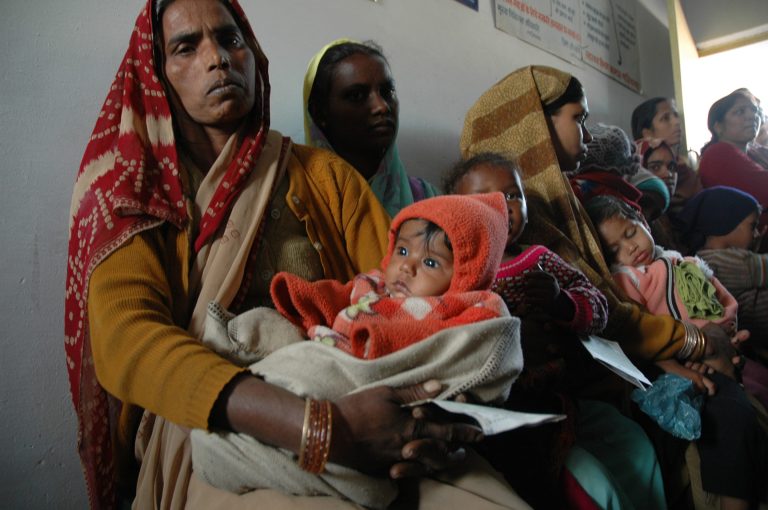
Importantly, the initiative also aims to ensure that the health needs of women in low- and middle-income countries (LMICs) are prioritized. These regions often suffer the brunt of neglect, with limited access to diagnostics, treatment, and innovation tailored to women’s health.
Why Women Are Left Behind in Medical Research
Historically, women were often excluded from clinical trials due to the complexity of hormonal cycles and concerns about pregnancy-related risks. However, this exclusion created a massive knowledge gap. For example, autoimmune diseases, which affect women at higher rates than men, are still under-researched, and heart attack symptoms in women often go unrecognized due to male-centric research models.
A study published in The Lancet revealed that even today, women are significantly underrepresented in medical trials. This has led to delayed diagnoses, ineffective treatments, and poor health outcomes — especially in marginalized communities.
A Catalyst for Change: Key Partnerships and Programs
The Gates Foundation plans to partner with academic institutions, biotech firms, public health organizations, and governments to drive innovation in diagnostics, treatments, and delivery systems that prioritize women’s health.
Some planned programs include:
- Establishing women-led research centers in Africa and Asia
- Developing AI-powered diagnostic tools for gynecological disorders
- Funding gender-balanced clinical trials that reflect the real-world population
- Supporting grassroots education campaigns to improve awareness and early detection of female-specific conditions
The foundation will also invest heavily in data collection and analysis, ensuring that future public health policies are grounded in gender-specific evidence.
SEO Impact: Why This Initiative Matters for Search and Awareness
From a digital perspective, this initiative is expected to influence global search trends, as interest in women’s health, clinical equity, and gender-based research is likely to surge. Keywords like “women’s health R&D,” “Gates Foundation $2.5 billion women’s health,” and “gender equity in medical research” are set to rise in SEO rankings, driven by increased media coverage and public engagement.
For content creators, public health professionals, and health-tech startups, this marks an important shift. Now is the time to align content, strategy, and innovation with the growing demand for women-centered healthcare solutions.
Conclusion: A Turning Point in Women’s Health
The Gates Foundation’s $2.5 billion investment is not just a funding announcement — it’s a historic call to action. By shining a spotlight on the systemic neglect of women’s health in R&D, this initiative has the power to reshape medicine for future generations.
If successful, this decade-long commitment could unlock medical breakthroughs, improve health outcomes, and close the gender gap that has plagued healthcare systems for far too long. For women around the world, this may finally be the beginning of a more equitable and responsive healthcare future.