






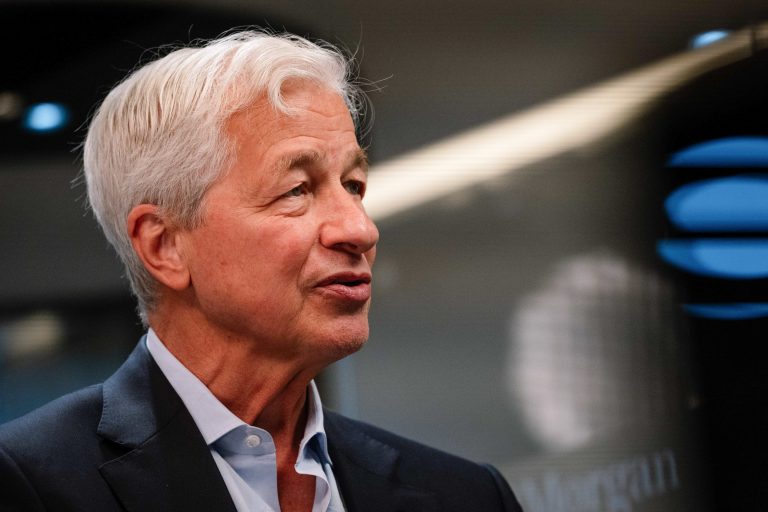
Jamie Dimon Isn’t Taking a Recession Off the Table for 2026: ‘You Don’t Wish It Because Certain People Will Get Hurt’
JPMorgan Chase CEO Jamie Dimon, one of the most respected and outspoken figures in global finance, has once again warned that a U.S. recession could still be on the horizon — this time pointing to 2026 as a possible turning point.
Dimon, known for his cautious yet realistic economic outlook, made it clear that he isn’t predicting a crisis but believes the possibility of an economic slowdown cannot be ignored. “You don’t wish it because certain people will get hurt,” he said. “But it’s naïve to think that recessions are gone forever. They’re part of the economic cycle.”
Over the past few years, the U.S. economy has displayed surprising resilience. Despite high interest rates, global conflicts, and inflationary pressures, growth has held steady, unemployment remains near record lows, and consumer confidence has improved. But Dimon argues that these signs of strength shouldn’t make policymakers or business leaders complacent.
“The numbers look strong right now, but the long-term picture is complicated,” Dimon explained. “We’ve had years of fiscal stimulus, high government spending, and now we’re dealing with the lagging effects of tighter monetary policy. These factors will start to show their impact over time.”
Warning Signs Dimon Is Watching
According to Dimon, several structural risks could converge by 2026 to slow growth or even push the U.S. into a mild recession. He listed persistent inflation, geopolitical instability, and unsustainable fiscal deficits as key concerns.
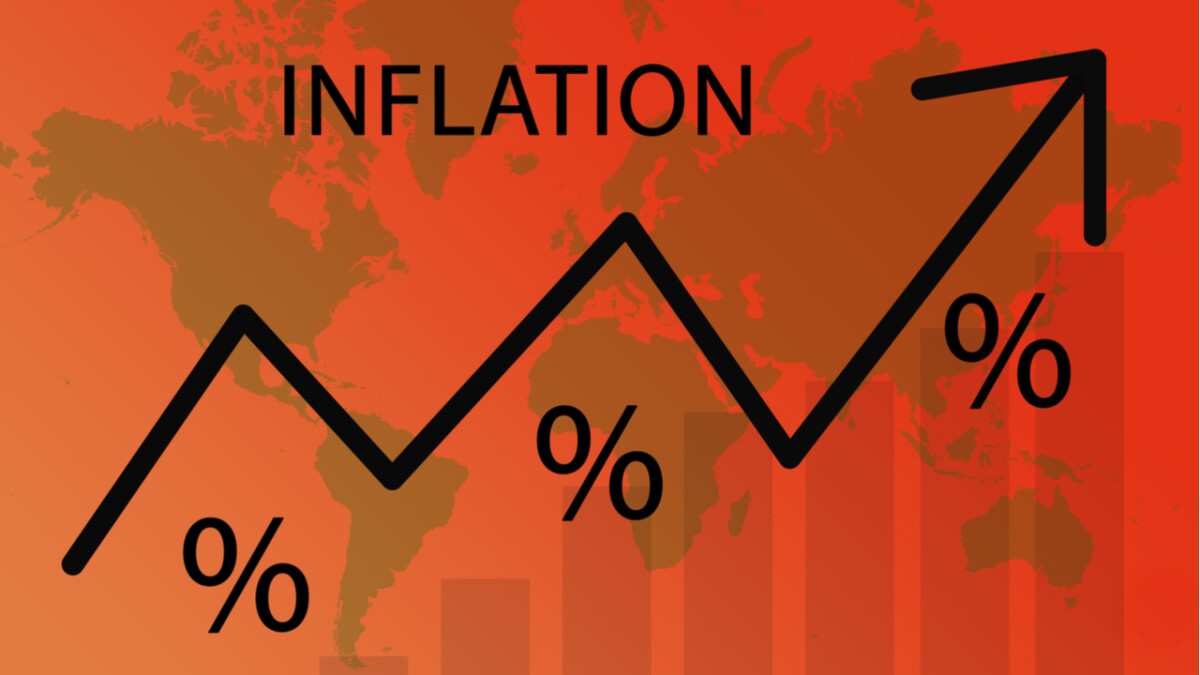
Inflation has cooled from its 2022 highs but remains above the Federal Reserve’s 2% target. “Inflation isn’t going away easily,” Dimon said. “Labor shortages, rising wages, and energy costs are still keeping prices sticky. If the Fed keeps rates higher for longer, that will eventually weigh on growth.”
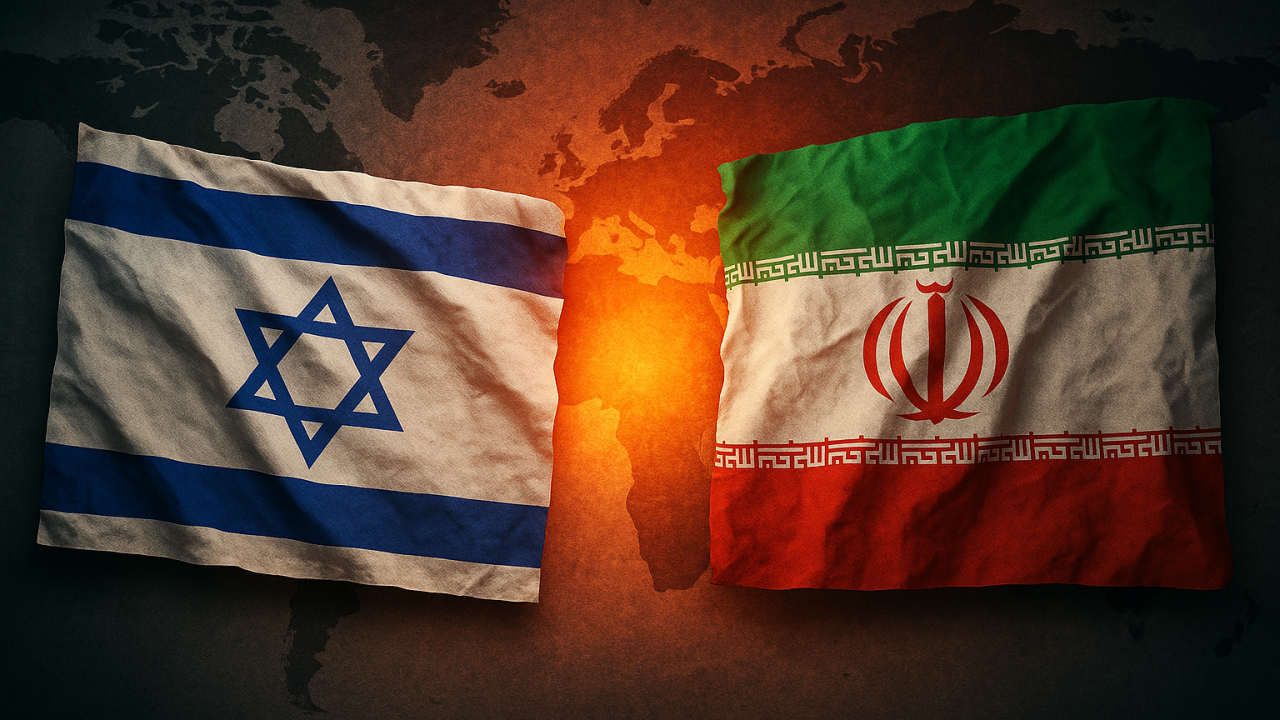
He also pointed to the global landscape as a growing source of uncertainty. Ongoing conflicts in Eastern Europe and the Middle East, as well as escalating trade tensions between the U.S. and China, could further disrupt supply chains and push commodity prices higher.
“Geopolitical risks are now a core part of economic forecasting,” Dimon said. “They’re unpredictable, and they can change the entire outlook overnight.”
Concerns About Government Debt
Dimon has long warned about America’s growing national debt, which recently crossed historic levels. He believes excessive borrowing could eventually shake investor confidence and make it harder for the U.S. to respond to future crises.
“You can’t spend endlessly without consequences,” he said. “At some point, markets will react — maybe through higher bond yields or reduced global trust in U.S. fiscal discipline. We have to take that risk seriously.”
Still, Optimism Remains
Despite his caution, Dimon remains optimistic about the U.S. economy’s long-term fundamentals. He pointed to strong corporate balance sheets, innovation in technology and energy, and the country’s leadership in financial markets.
“America still has an edge,” he noted. “We have entrepreneurial spirit, a deep capital market, and world-class universities driving research and innovation. Those are things other countries would love to have.”
However, he urged both businesses and households to use this time wisely — to build resilience, reduce debt, and prepare for potential volatility. “The best time to prepare is when things are good,” he said. “That’s how you protect yourself when things turn.”
A Voice of Experience
Jamie Dimon’s perspective carries significant weight. He successfully guided JPMorgan Chase through the 2008 financial crisis and has consistently been among the few top bankers to challenge over-optimistic narratives about the economy. His words are often seen as a reality check amid Wall Street’s tendency to focus on short-term gains.
Dimon’s latest warning about 2026 isn’t meant to trigger fear, but to promote awareness. “I’m not predicting disaster,” he clarified. “I’m saying be realistic. Markets move in cycles, and pretending otherwise is dangerous.”
As the world enters an era of uncertainty defined by inflation, technology disruptions, and political tension, Dimon’s advice rings louder than ever: “Hope for the best — but plan for the worst.”