








Finland Is the World’s Happiest Country Yet Again Here Are the Top 10 on the List
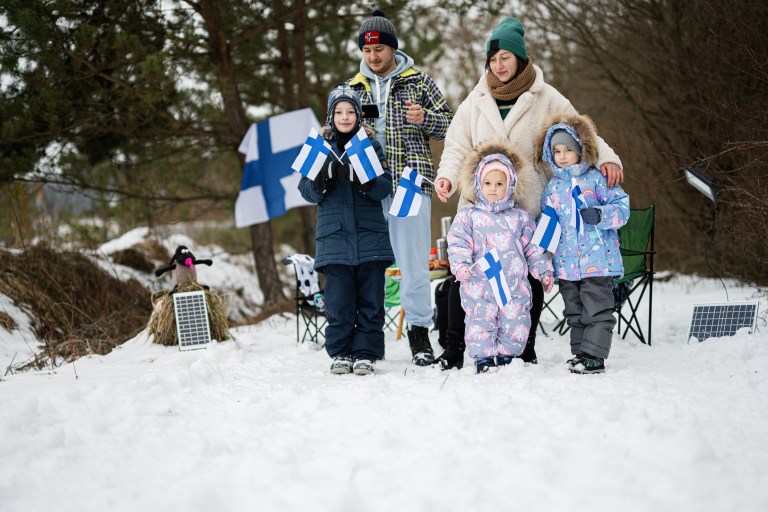
For the seventh year in a row, Finland has claimed the title of the world’s happiest country, according to the World Happiness Report 2025. This consistent recognition places Finland at the top of global well-being, mental health, and life satisfaction rankings. But what exactly makes Finland such a haven for happiness—and which other countries made it to the top ten? Let’s explore the key reasons behind Finland’s enduring joy and the nations that follow closely behind.
Why Finland Continues to Lead the World in Happiness
Finland’s happiness isn’t just luck—it’s a result of deliberate societal values, policies, and mindset. The Finnish way of life is grounded in trust, equality, and balance, and these elements create a foundation for long-term contentment rather than fleeting pleasure.
- Strong Social Support System
Finland has one of the most comprehensive welfare systems in the world. Free education, affordable healthcare, parental leave, and unemployment support ensure that no one is left behind. This safety net gives people the confidence to pursue what truly matters without the fear of financial instability. - Work-Life Balance
The Finnish believe that life is meant to be lived, not just worked. Flexible hours, generous vacation days, and respect for personal time contribute to low stress levels. The culture emphasizes rest, family, and nature—key components of sustainable happiness. - Connection with Nature
With over 180,000 lakes and vast forests, Finland’s natural beauty plays a central role in people’s well-being. Spending time outdoors—whether in winter saunas or summer cabins—is part of everyday life. This deep bond with nature reduces anxiety, improves mental health, and fosters gratitude. - Low Corruption and High Trust
Trust is one of Finland’s greatest assets. Citizens trust their government, institutions, and each other. Transparency and integrity create a sense of stability and belonging that many other countries struggle to achieve. - Education and Equality
Finland’s education system focuses on equal opportunity rather than competition. There’s no excessive pressure on children, and teachers are highly respected. This early balance fosters lifelong emotional health and social cohesion.
The Top 10 Happiest Countries in the World (2025)
According to the World Happiness Report 2025, these are the ten countries where people report the highest levels of life satisfaction:
- Finland – A model of social trust, equality, and peace of mind.
- Denmark – Known for its strong welfare state and sense of community.
- Iceland – A tight-knit society with a high level of trust and gender equality.
- Sweden – Balances economic strength with progressive social policies.
- Israel – Combines innovation, community bonds, and cultural optimism.
- Netherlands – A leader in mental well-being and healthy work-life balance.
- Norway – Wealth equality and environmental mindfulness drive happiness.
- Luxembourg – High income levels and social safety nets keep citizens secure.
- Switzerland – A stable economy and breathtaking environment enhance quality of life.
- Australia – Friendly culture, outdoor living, and work flexibility foster positivity.
What Makes These Countries Stand Out
All of these nations share some key traits:
- Strong social welfare systems that reduce inequality.
- High levels of trust in government and institutions.
- Low corruption and strong community engagement.
- Access to quality healthcare and education for all citizens.
- Balanced lifestyles that value well-being as much as productivity.
Their secret isn’t in being the richest but in prioritizing collective happiness over individual competition. These societies understand that long-term satisfaction comes from connection, fairness, and purpose—not just economic success.
The Global Shift Toward Happiness and Well-Being
In recent years, more countries have started viewing happiness as an indicator of progress, not just GDP. The idea is simple but powerful: true development is emotional as much as economic.
Nations like Finland prove that when governments invest in mental health, equality, and environmental sustainability, citizens thrive. Happiness becomes not just a feeling—but a measurable, achievable goal.
Lessons from Finland and Beyond
- Prioritize Mental Health: Societies that focus on well-being policies create resilient, happier citizens.
- Build Trust: Transparency and fairness are essential for collective peace of mind.
- Protect Work-Life Balance: Overwork doesn’t equal success; balance sustains happiness.
- Stay Connected to Nature: Green spaces and outdoor time enhance emotional health.
- Value Community: Real happiness grows through relationships and belonging.
Final Thoughts
Finland’s repeated success as the world’s happiest country isn’t a coincidence—it’s a reflection of what happens when a nation truly invests in its people’s well-being. Its lessons go beyond borders, reminding us that happiness is not just about wealth or luxury.
It’s about trust, equality, balance, and purpose. And while not every country can replicate Finland’s exact formula, every nation and individual can take steps to move closer to a more content, meaningful life.