



How Young People Are Redefining Cultural Identity in a Globalised World
Across continents and cultures, young people are reshaping what cultural identity means in an increasingly interconnected world. No longer confined by geography or tradition alone, identity today is being formed at the crossroads of heritage, digital influence and personal choice.
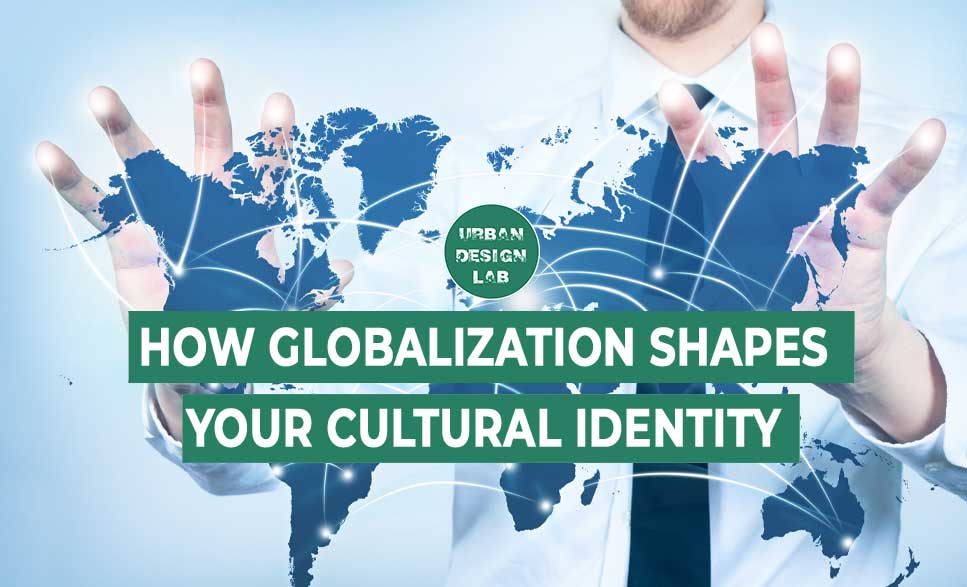
Globalisation has made cultures more accessible than ever before. Music from one corner of the world trends globally within hours, fashion styles cross borders instantly, and languages blend through online communication. For younger generations, this exposure has created identities that are fluid rather than fixed. Many embrace multiple influences at once, mixing local traditions with global trends to express who they are.
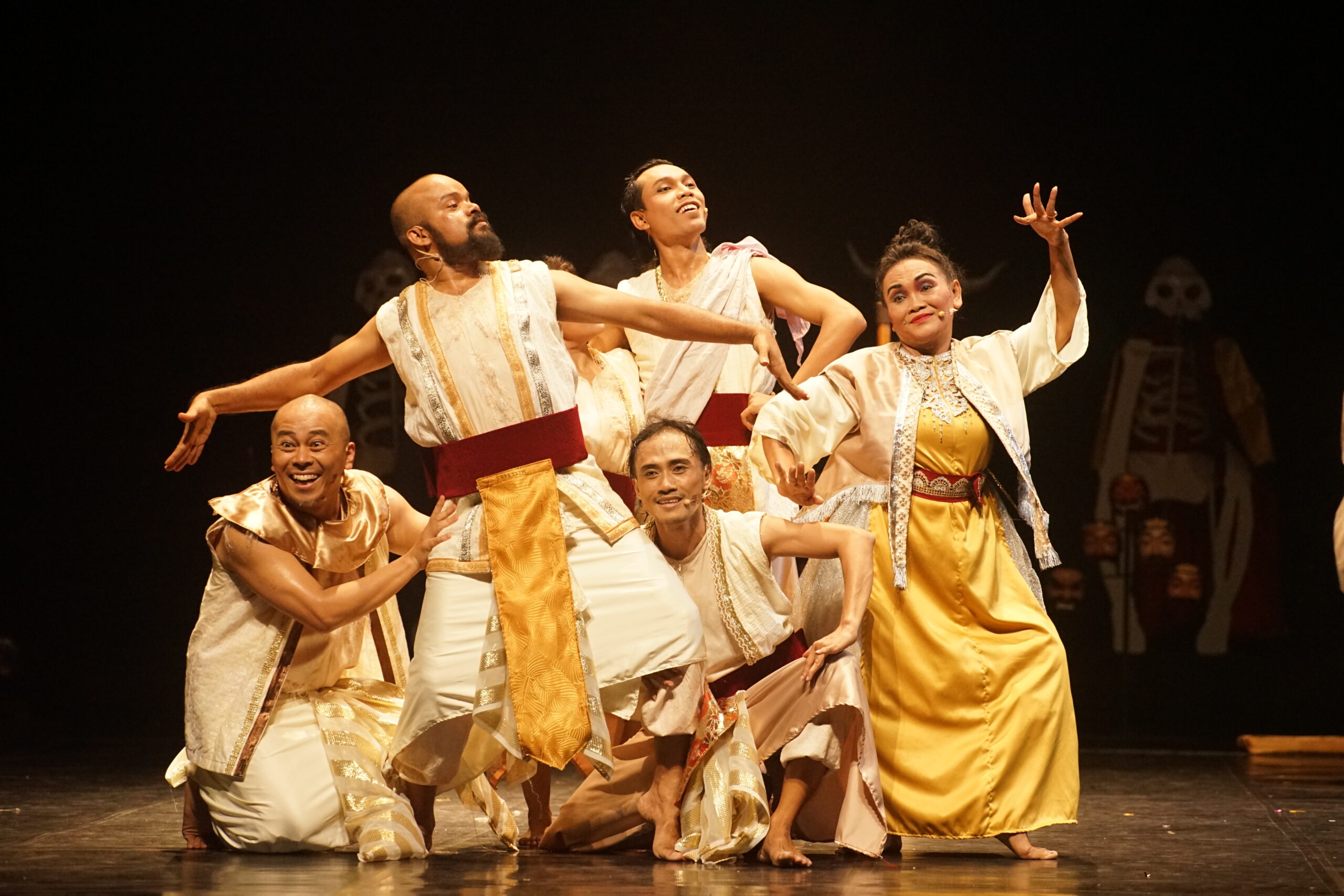
Social media has played a central role in this transformation. Platforms allow young people to explore cultures beyond their own, connect with like-minded communities and share personal narratives. At the same time, digital spaces have become places where cultural pride is reclaimed. Traditional clothing, regional languages and indigenous art forms are being showcased online by young creators who present heritage in contemporary ways.
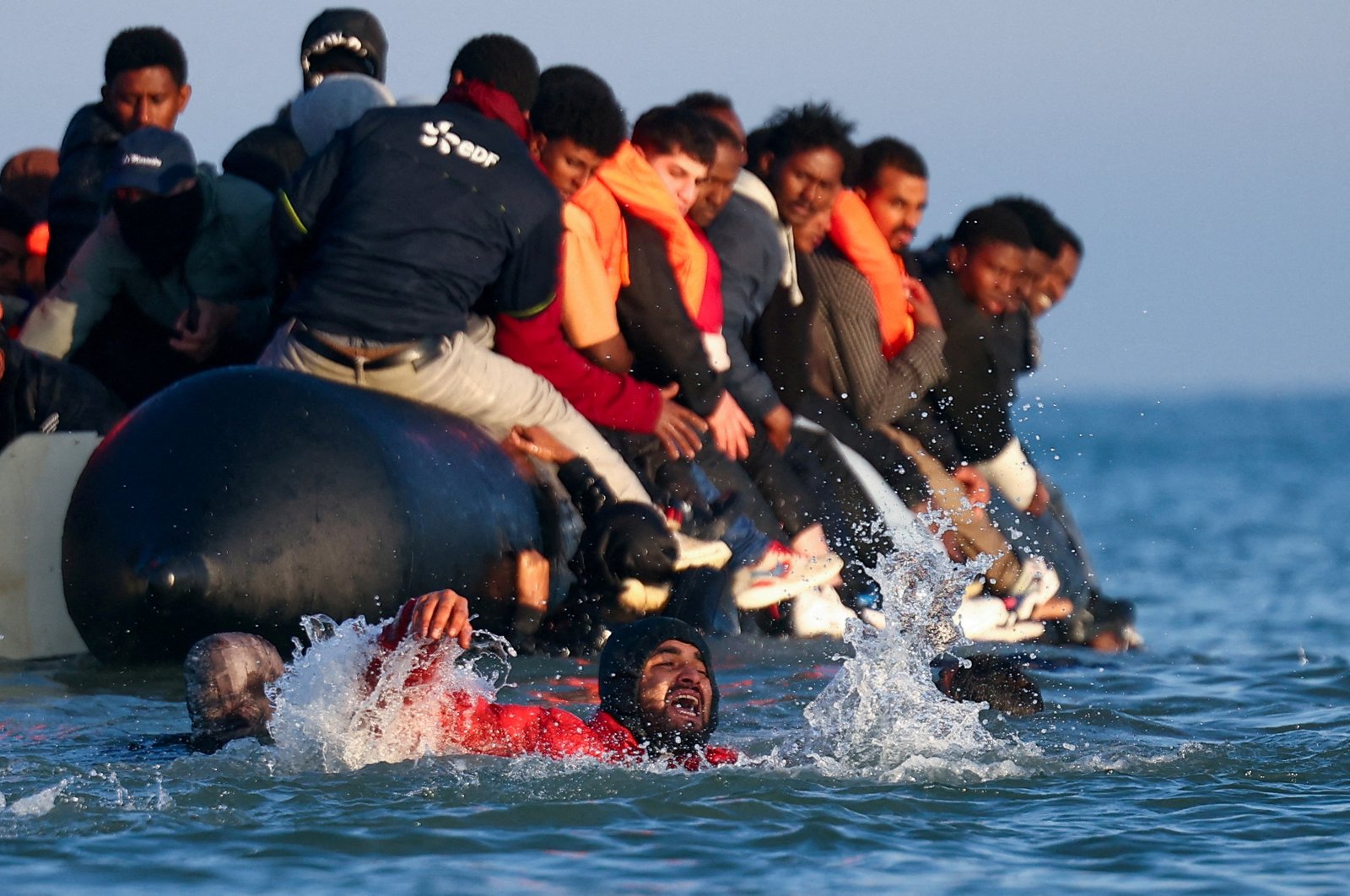
Migration and multicultural societies have further shaped modern identity. Young people growing up in diverse environments often navigate more than one cultural framework, moving effortlessly between home traditions and public life. This experience has fostered hybrid identities that challenge older definitions of nationality, ethnicity and belonging.
Despite this openness, the redefining of cultural identity has not come without tension. Critics argue that global influences can dilute traditions, while others worry about cultural appropriation and loss of authenticity. Young people, however, often see identity as something lived and evolving rather than preserved unchanged. For them, honoring tradition does not mean resisting change, but adapting it to modern realities.
Education and global awareness have also influenced how youth engage with culture. Many are questioning long-held norms related to gender roles, social hierarchies and cultural expectations. In doing so, they are shaping cultures that are more inclusive and reflective of contemporary values.
As the world becomes more connected, young people are proving that cultural identity is not disappearing but transforming. It is becoming more personal, more expressive and more dynamic. In redefining who they are, today’s youth are not abandoning their roots — they are expanding them, creating identities that reflect both where they come from and the global world they inhabit.