






High Stakes in a Changing Global Economy
The global economy is entering a decisive phase as governments, corporations and consumers confront a convergence of pressures that are reshaping how growth, trade and investment function worldwide. From slowing expansion in major economies to rising corporate consolidation and persistent geopolitical uncertainty, the stakes have rarely been higher for policymakers and businesses alike.
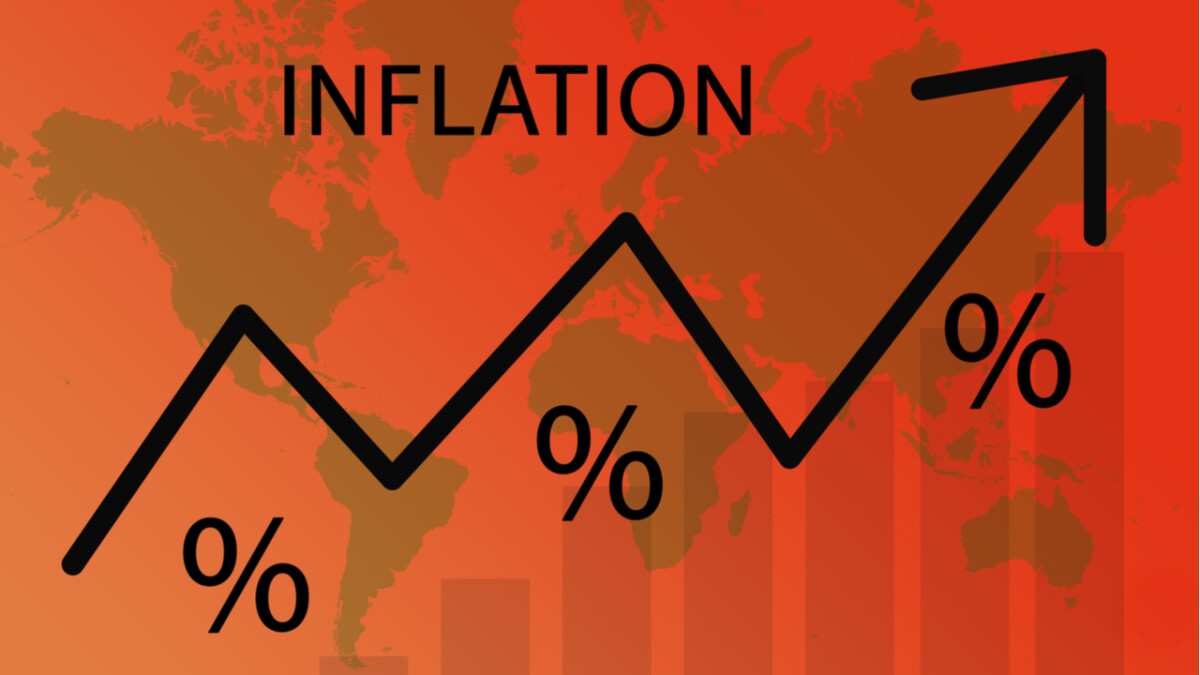
After years of turbulence driven by the pandemic, supply-chain disruptions and inflation shocks, the world economy has yet to settle into a stable rhythm. While inflation has eased in many regions, interest rates remain elevated, keeping borrowing costs high for governments, companies and households. Central banks now face a delicate balancing act: cutting rates too early risks reigniting inflation, while holding them too high for too long threatens to stall growth and deepen financial stress.
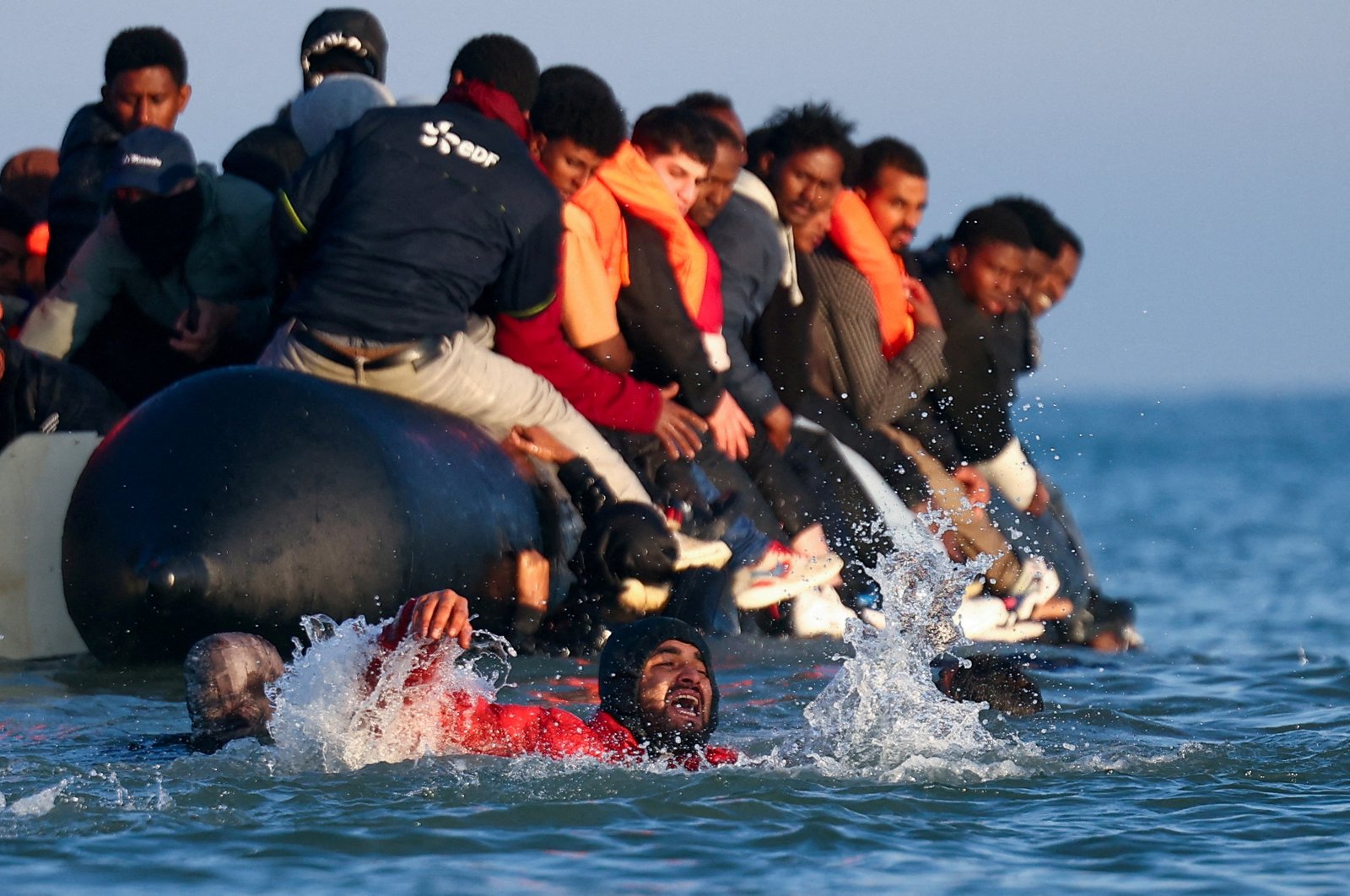
At the same time, global growth is becoming increasingly uneven. Advanced economies are grappling with slowing consumer demand and aging populations, while emerging markets face currency volatility, capital outflows and rising debt burdens. Developing nations, in particular, are struggling to finance infrastructure and social programs as global investors become more cautious and risk-averse. The gap between economic winners and losers is widening, adding pressure to already fragile political and social systems.
Corporate power is also being reshaped. Across industries—from technology and media to energy and manufacturing—companies are consolidating to survive tighter financial conditions and intensifying competition. Large mergers and acquisitions are redrawing market landscapes, raising concerns among regulators about reduced competition, job losses and the long-term impact on innovation. For workers, this shift often translates into layoffs, restructuring and growing job insecurity, even as corporate profits remain resilient in some sectors.
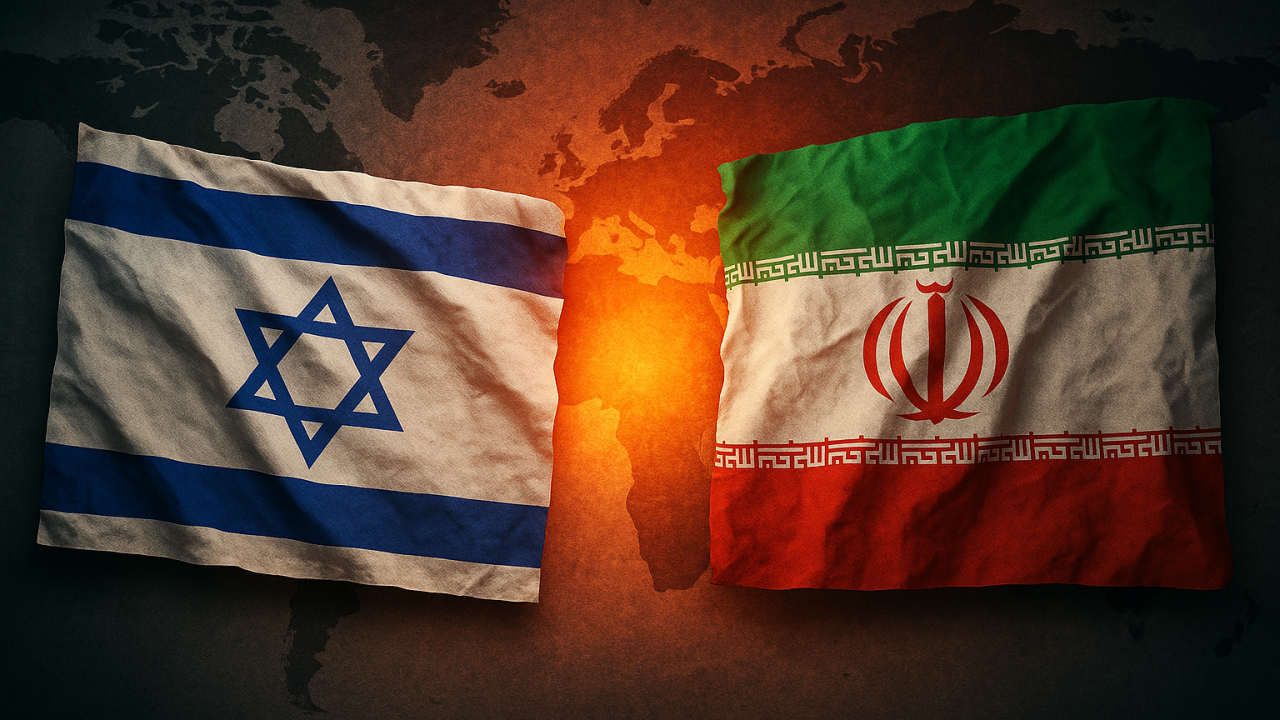
Geopolitics continues to weigh heavily on economic decision-making. Ongoing conflicts, trade tensions and strategic rivalries are fragmenting the global trading system that once fueled decades of expansion. Governments are increasingly prioritizing national security over efficiency, reshoring critical industries and restricting the flow of technology, capital and resources. While these measures aim to reduce vulnerability, they also raise costs for businesses and consumers and weaken global cooperation.
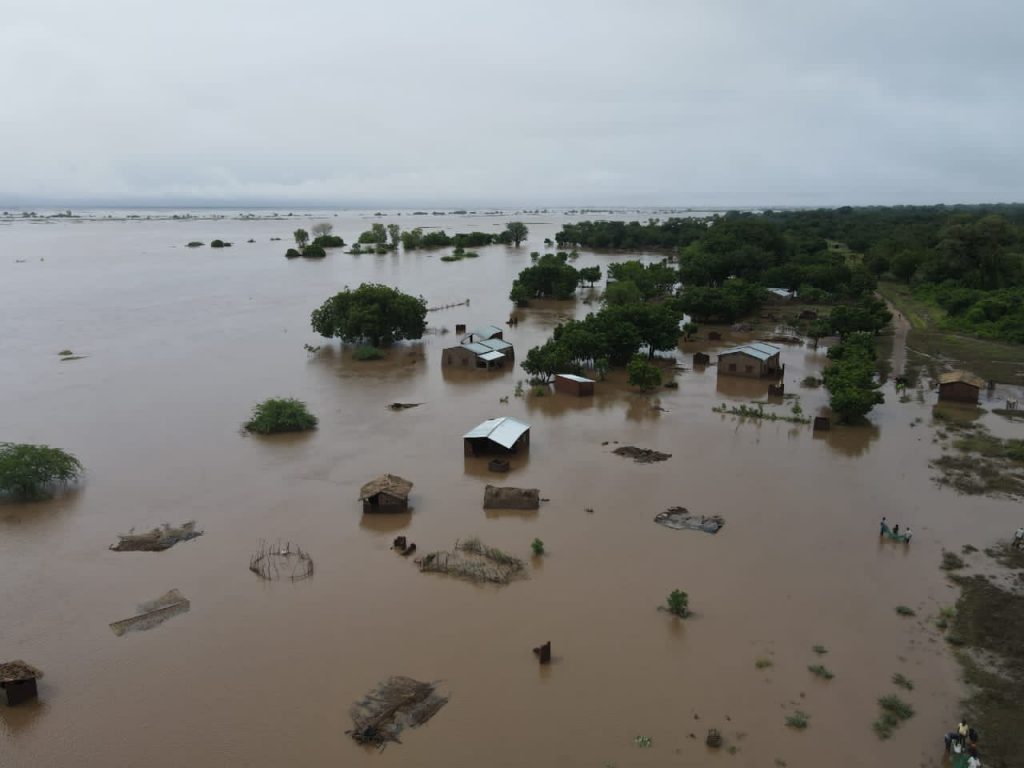
Energy and climate challenges further complicate the outlook. The transition to cleaner energy is accelerating, but uneven investment, supply constraints and political resistance threaten to slow progress. Energy prices remain sensitive to geopolitical events, making inflation more unpredictable and complicating economic planning. For many countries, balancing climate commitments with economic stability has become one of the defining policy challenges of the decade.
Despite these headwinds, opportunities remain. Advances in artificial intelligence, automation and digital infrastructure promise productivity gains that could offset slower population growth and rising costs. Countries that invest wisely in education, innovation and resilient infrastructure may emerge stronger from this period of adjustment. However, the benefits of technological change are unlikely to be evenly distributed, reinforcing the need for thoughtful regulation and inclusive economic policies.
As the global economy evolves, uncertainty has become the defining feature of the moment. Decisions made now—by central banks, governments and corporate leaders—will shape growth prospects for years to come. In a world marked by high debt, shifting power dynamics and fragile confidence, the margin for error is shrinking. The global economy is changing, and the stakes for getting it right could not be higher.