






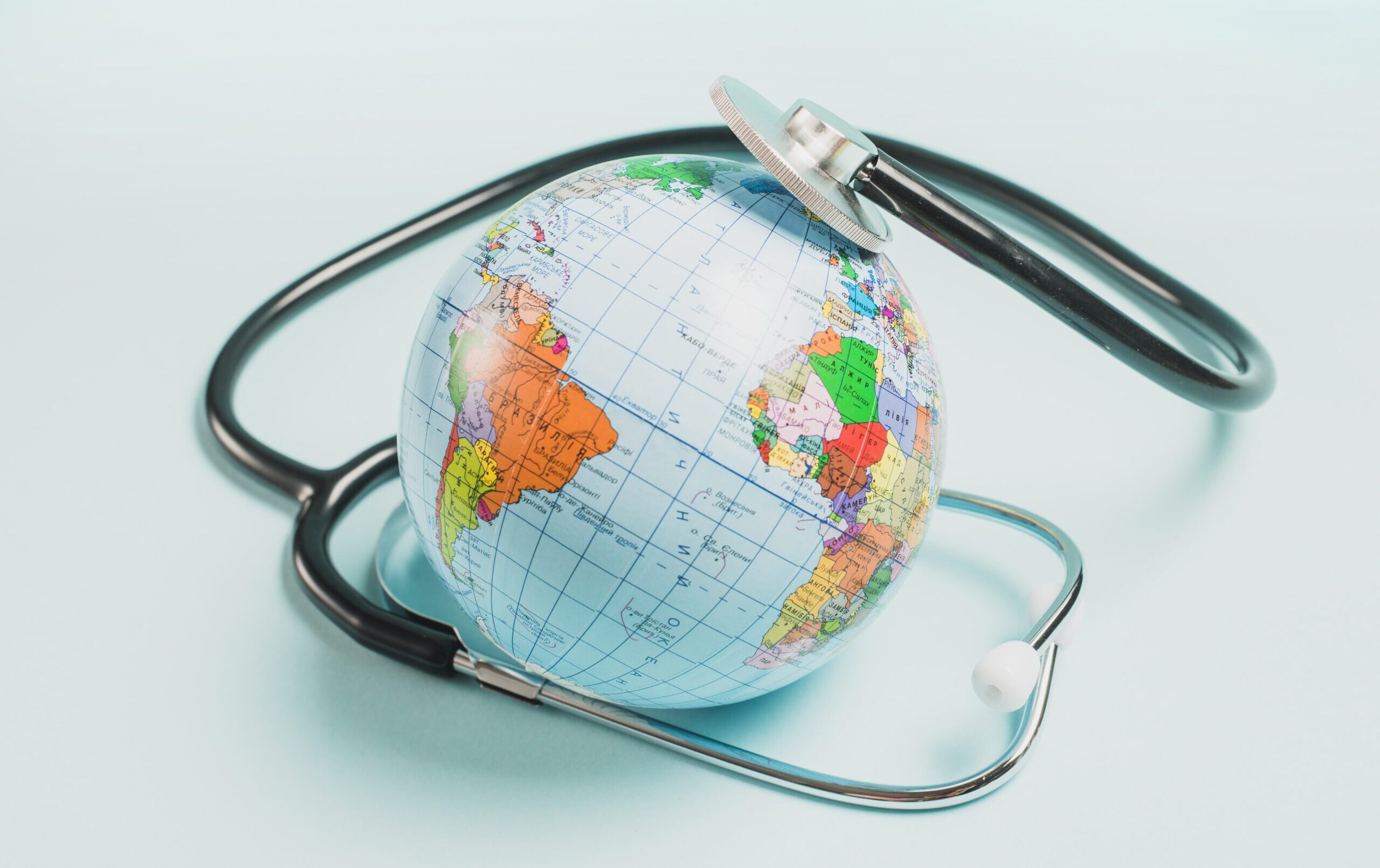
Global Health Challenges in an Interconnected World
Health has become a central global concern in the twenty-first century, as nations across the world face increasingly complex and interconnected health challenges. Rapid globalization, technological advancement, urban expansion, and changing social patterns have significantly influenced public health outcomes. While medical science has made remarkable progress, modern lifestyles and emerging risks continue to place growing pressure on healthcare systems worldwide.
One of the most significant global health challenges today is the rise of non-communicable diseases. Conditions such as diabetes, cardiovascular diseases, obesity, and respiratory disorders are increasing at an alarming rate across both developed and developing nations. Poor dietary habits, high consumption of processed foods, and reduced physical activity have been identified as major contributing factors. These lifestyle-related diseases not only affect individual well-being but also impose a heavy economic burden on healthcare infrastructures.
Mental health has also emerged as a critical international issue. Stress, anxiety, and depression have increased due to academic pressure, workplace demands, economic uncertainty, and social isolation. The widespread use of digital technology and social media has further intensified mental health concerns, particularly among younger populations. Despite growing awareness, mental health services remain inadequate in many parts of the world, and social stigma continues to prevent individuals from seeking professional support.
Infectious diseases and public health emergencies remain an ongoing threat, especially in regions with limited access to healthcare, clean water, and sanitation. Seasonal outbreaks, emerging viruses, and antimicrobial resistance highlight the importance of global cooperation in disease prevention and control. International health organizations continue to emphasize vaccination programs, early detection, and rapid response strategies to reduce the spread of infectious illnesses.
Environmental factors also play a crucial role in shaping global health outcomes. Air pollution, climate change, and unsafe living conditions have contributed to respiratory illnesses, heat-related health risks, and the spread of vector-borne diseases. Vulnerable populations, particularly children and the elderly, are disproportionately affected by these environmental health challenges.
Addressing global health issues requires coordinated action at local, national, and international levels. Governments must invest in healthcare systems, preventive care, and public health education. International collaboration, research, and policy alignment are essential to respond effectively to health crises that transcend national borders. At the individual level, adopting healthier lifestyles, maintaining mental well-being, and supporting public health initiatives can contribute to long-term improvement.
In conclusion, health is a shared global responsibility. The challenges facing public health today demand awareness, innovation, and collective effort. By prioritizing preventive measures, strengthening healthcare systems, and fostering international cooperation, the global community can work toward a healthier, more resilient future for all.