









Air Travel Chaos Strikes Asia: Thousands Stranded as Flights Grounded Nationwide
Asia’s air travel network plunged into chaos today as thousands of passengers were left stranded amid widespread flight cancellations and delays across the region. From bustling hubs in Bangkok, Kuala Lumpur, and Jakarta to international gateways in Singapore and Hong Kong, the disruptions have affected hundreds of flights and sent ripples of frustration through airports and airline networks alike.
The scale of the disruptions is unprecedented in recent months. Airlines including AirAsia, Thai Airways, Lion Air, Batik Air, Scoot, and Singapore Airlines reported significant delays, with some flights postponed by several hours and others canceled entirely. Over 1,200 flight delays have been recorded, with passengers facing long waits and uncertain travel plans. Many travelers were forced to rebook or endure extended periods in terminals, as airline staff scrambled to accommodate the surge in affected flights.
Airport authorities attributed the disruptions to a combination of operational challenges, including staffing shortages, air traffic congestion, and technical delays. Some experts also cite the lingering effects of post-pandemic travel surges, with airlines struggling to keep pace with rising passenger numbers and shifting schedules.
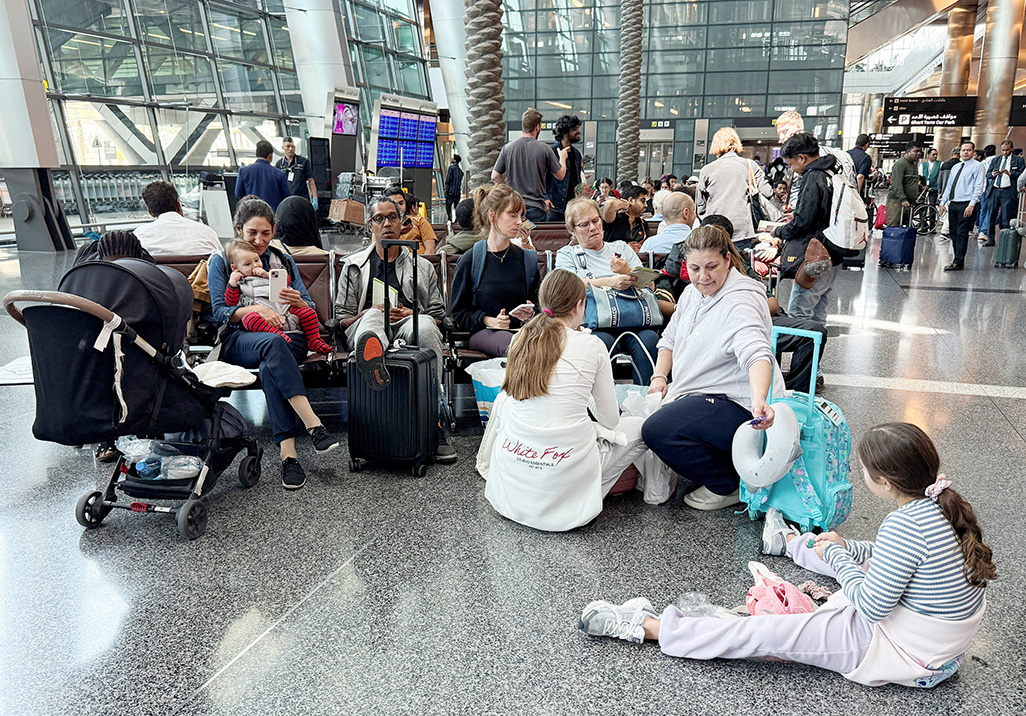
Travelers reported long queues at check-in counters, packed departure lounges, and mounting anxiety over missed connections. Social media platforms across the region were flooded with complaints and updates from frustrated passengers sharing experiences of being stranded far from home. Airlines have urged passengers to check their flight status before traveling to airports and to remain patient as operations gradually normalize.
The economic and logistical impact of the disruption is significant. Tourism-dependent cities face potential revenue losses, while airlines are grappling with compensation claims, disrupted schedules, and the logistical headache of rescheduling thousands of passengers. Cargo services have also been affected, threatening supply chain delays for critical goods.
Despite the chaos, aviation authorities and airlines are working around the clock to restore order. Temporary measures, including added staffing, rerouted flights, and priority boarding for affected travelers, have been implemented to reduce pressure on major airports. Officials have emphasized that while delays are frustrating, safety remains the top priority.
Today’s disruptions highlight the fragility of Asia’s air travel network amid surging demand. As airlines and airports rush to stabilize operations, passengers are reminded to plan ahead, monitor updates closely, and brace for continued challenges over the coming days. This latest incident serves as a stark reminder of the vulnerabilities that exist within global air travel and the cascading effects that operational disruptions can have on millions of travelers across the continent.