





Indonesia Warns of Harsh Global Politics Challenging Its Non‑Alignment Stance
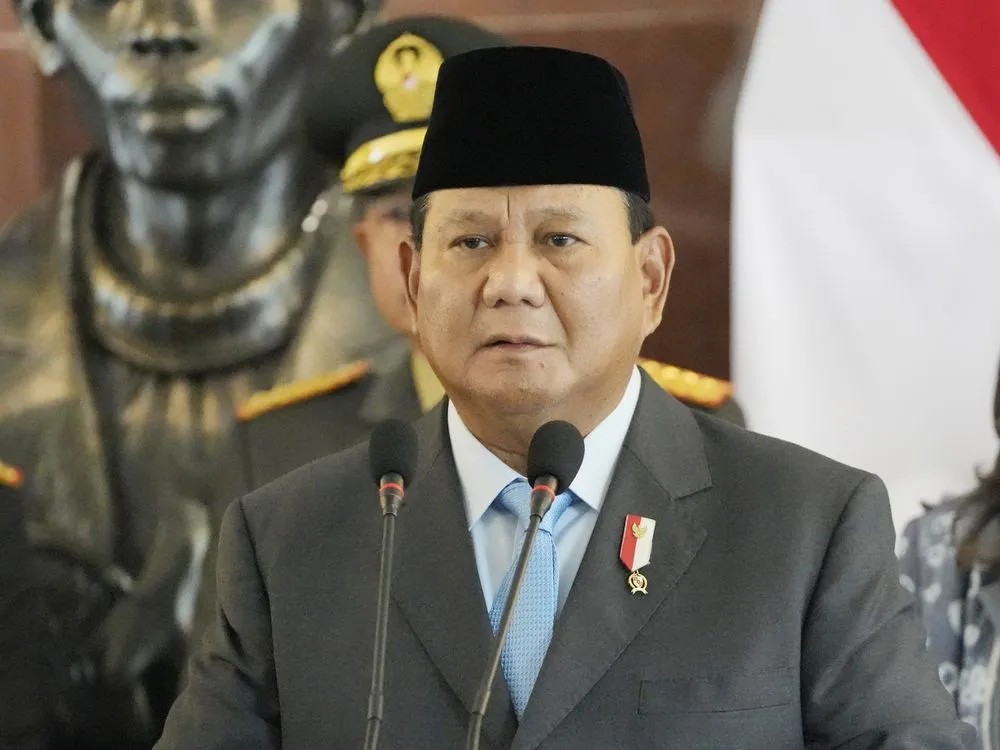
President Prabowo Subianto has issued a stark warning about increasing global political pressures, emphasizing that Indonesia’s longstanding non‑alignment policy is being tested like never before. Speaking at a national security forum on Monday, Prabowo highlighted the complex international landscape, where rivalries between major powers and shifting alliances are forcing nations to navigate unprecedented challenges.
“Our country has long adhered to a foreign policy of independence and non-alignment, but today’s global environment presents trials that demand careful, strategic responses,” Prabowo said. “Indonesia must remain resilient, cautious, and united as we confront the realities of heightened geopolitical competition.”
The president’s comments come amid growing tensions in the Asia-Pacific region, where territorial disputes, trade conflicts, and military posturing have increased uncertainty. Analysts suggest that Indonesia, as Southeast Asia’s largest economy and a key member of the Association of Southeast Asian Nations (ASEAN), faces pressure to balance relations with the United States, China, and other influential global powers.
Prabowo stressed that Indonesia will continue to pursue cooperation and dialogue with all nations while protecting its national interests. “We will engage with the world constructively, but we will not compromise our sovereignty or the welfare of our people,” he said. The remarks signal Jakarta’s intent to remain independent in international decision-making, even as global tensions rise.
Political observers note that Indonesia’s non-alignment stance has historically allowed it to act as a bridge in regional diplomacy, promoting stability and mediation. However, the current climate of economic competition, strategic rivalries, and military assertiveness is testing the limits of this traditional approach.
The president also linked domestic security and economic resilience to Indonesia’s global posture, urging lawmakers and government agencies to strengthen national preparedness. “Global pressures affect our economy, our trade, and ultimately the lives of our citizens. We must ensure that Indonesia remains strong at home while engaging responsibly abroad,” he said.
Prabowo’s statements have sparked debate among policymakers, diplomats, and analysts, who are weighing the implications for Indonesia’s foreign policy and ASEAN leadership role. While some argue that Jakarta must adopt a more flexible approach to alliances, others stress that maintaining independence is essential for credibility on the world stage.
As international dynamics continue to evolve rapidly, Indonesia’s commitment to a non-aligned path faces a pivotal test, with the country poised to navigate a delicate balance between diplomacy, security, and national interest.