







Bangladesh Returns to Democratic Rule as BNP Secures Historic Parliamentary Victory
Bangladesh has taken a decisive step back toward democratic governance as the Bangladesh Nationalist Party (BNP) won a historic parliamentary election, reclaiming power after years of political turmoil. The 13th national elections, held earlier this month, resulted in a sweeping victory for the BNP, which secured a commanding majority of seats, signaling a new era of leadership in the country.
The BNP captured 212 out of 300 parliamentary seats, achieving a clear mandate to form the next government. Election observers described the voting as broadly competitive and orderly, marking the first major participatory elections in more than a decade. The victory reflects the public’s desire for political stability and a return to democratic norms after repeated years of unrest and contested governance.
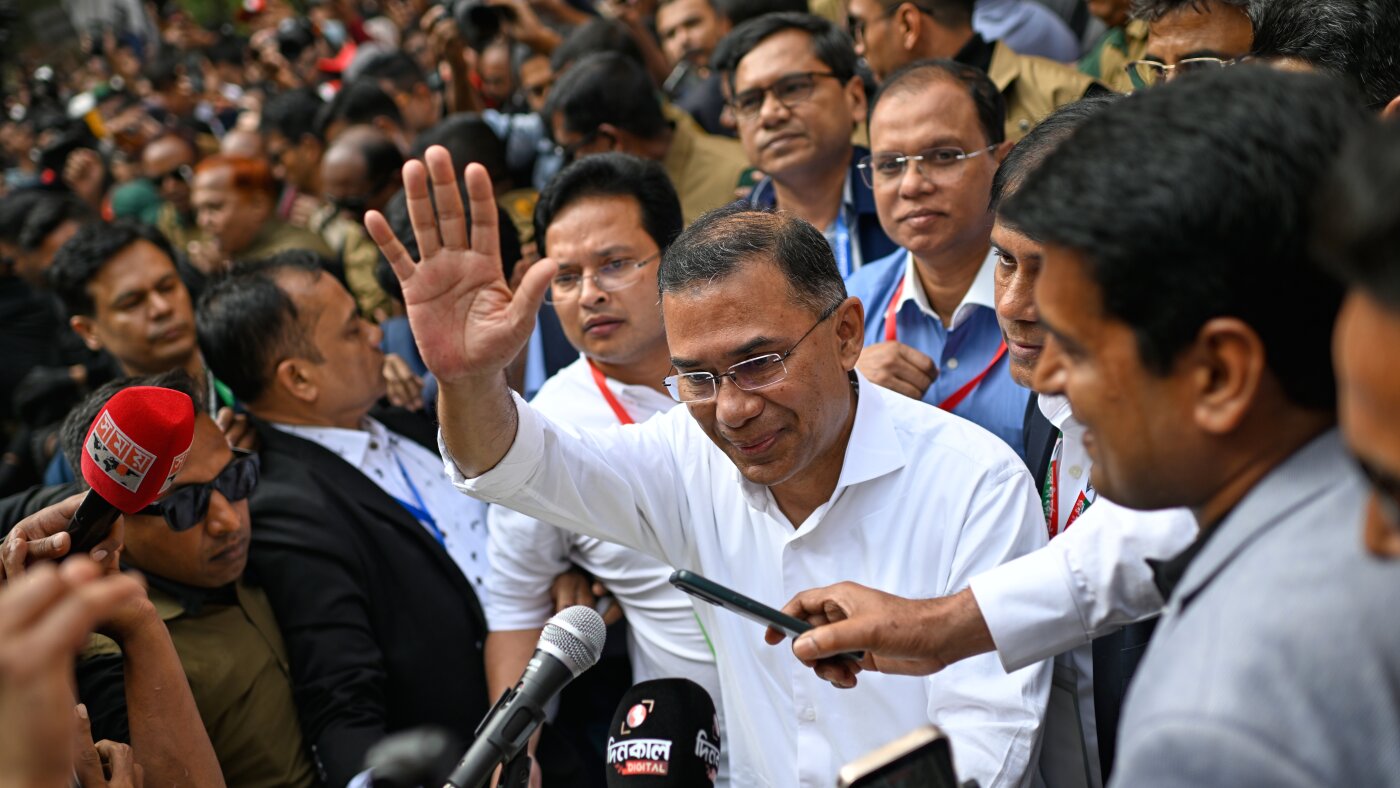
Tarique Rahman, chairman of the BNP and son of former national leaders, was sworn in as prime minister in a ceremony attended by political figures, diplomats, and thousands of supporters. Rahman’s rise to power follows nearly two decades of political exile and represents a significant shift in Bangladesh’s political landscape. In his inaugural address, he promised to strengthen democratic institutions, restore law and order, and revive the country’s economy while prioritizing social inclusion, job creation, and improved governance.
Alongside the parliamentary elections, voters participated in a referendum on constitutional reforms, including measures to limit prime ministerial terms and reinforce mechanisms for free and fair elections. The results demonstrated strong public support, emphasizing widespread demand for democratic renewal and accountability.
Opposition parties made notable gains in several districts, with the Bangladesh Jamaat-e-Islami emerging as the largest opposition bloc. Analysts say this will ensure a diverse and dynamic parliamentary environment, maintaining checks and balances while the BNP government implements its policy agenda.
International observers and neighboring countries have welcomed the outcome, praising Bangladesh’s return to democratic procedures and offering cooperation on economic development and regional initiatives. Political experts note that this election may mark a turning point, strengthening democratic institutions and stabilizing governance in one of South Asia’s most populous nations.
As Bangladesh begins this new chapter under BNP leadership, the nation faces both opportunities and challenges, with citizens hopeful that the government will deliver on promises of reform, growth, and inclusive progress.