




Sudan’s Health System on the Brink as Attacks on Hospitals Escalate, Warns WHO
Khartoum, 22 February 2026 — Sudan’s healthcare system is facing an unprecedented crisis as repeated attacks on hospitals, clinics, and medical personnel push the nation’s medical infrastructure to the brink of collapse, the World Health Organization (WHO) has warned. Amid ongoing armed conflict and instability, patients are struggling to access essential care, and healthcare workers are increasingly unable to operate safely.
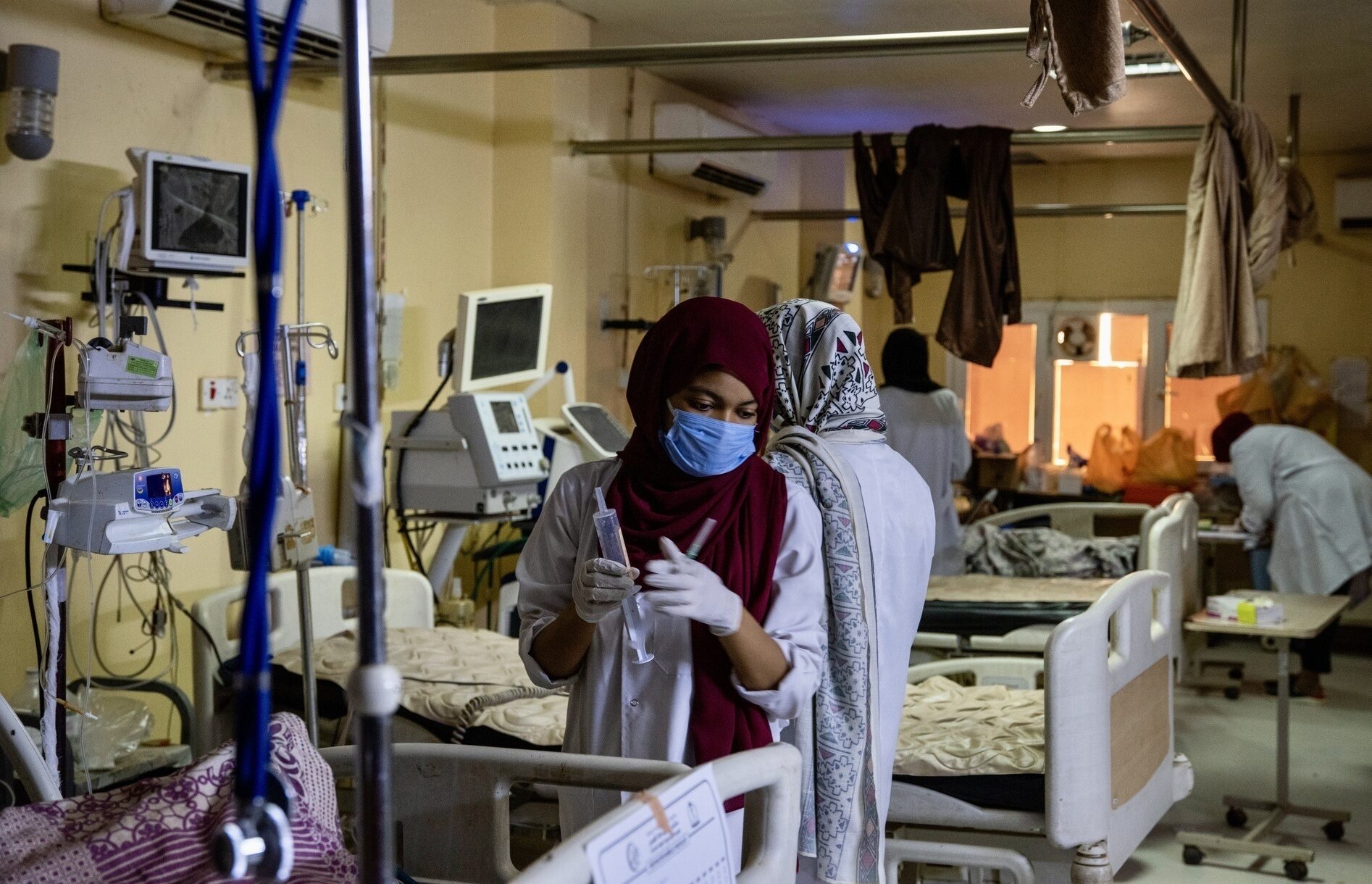
According to the WHO, multiple hospitals have been damaged or forced to close due to violence, while essential supplies, including medications, vaccines, and oxygen, are running dangerously low. Ambulances and emergency services have been disrupted, leaving vulnerable populations, particularly children, pregnant women, and the elderly, at extreme risk. The situation has also exacerbated the spread of preventable diseases such as malaria, cholera, and measles.
Medical staff describe working in perilous conditions, with frequent threats to their safety, shortages of protective equipment, and overburdened facilities. “We are doing our best, but every day becomes harder,” said one doctor in Khartoum, requesting anonymity due to security concerns. “Patients are arriving in critical condition, and we simply do not have the resources or safety to treat everyone.”
The WHO has called on all parties involved in the conflict to respect international humanitarian law and allow safe access to health services. Emergency funding and international support are urgently needed to prevent a total collapse of Sudan’s healthcare system. Aid organizations are struggling to deliver assistance as logistics and access become increasingly restricted.
The ongoing conflict has also triggered mass displacement, placing further strain on already fragile health infrastructure. Refugee camps and temporary shelters are facing outbreaks of communicable diseases, and basic sanitation and water supply remain inadequate in many areas. Experts warn that without immediate action, the health crisis could escalate into a full-scale humanitarian disaster.
Global health authorities emphasize that protecting healthcare facilities is critical not only to save lives today but to prevent long-term setbacks in Sudan’s public health outcomes. The WHO is coordinating with local authorities, NGOs, and international partners to deliver medical supplies, support healthcare workers, and establish temporary clinics in safer areas.
As the violence continues, Sudan faces a dual crisis: escalating conflict and a healthcare system on the verge of collapse. Urgent international attention and coordinated efforts are needed to ensure that hospitals can function, patients can receive care, and the nation’s most vulnerable populations are protected from further harm.