






Venezuela Frees Political Prisoners as Amnesty Law Sparks Mass Applications
Venezuela has begun releasing political prisoners following the enactment of a new amnesty law that has prompted more than 1,500 applications from inmates seeking freedom. Hundreds of detainees have already been released, marking one of the most significant political developments in recent Venezuelan history.
The law, passed unanimously by the National Assembly and signed into effect earlier this month, provides a legal pathway for individuals detained for political reasons — including opposition activists, journalists, and human rights defenders — to apply for clemency. It represents a historic acknowledgment of politically motivated detentions and aims to foster reconciliation in the country’s polarized political climate.
National Assembly President Jorge Rodríguez said 1,557 people had submitted amnesty requests within days of the law taking effect. Dozens of releases have already occurred in Caracas and other regions, as courts work to process the applications promptly.
“This law is a step toward healing political divisions and restoring trust,” Rodríguez said. “It reflects our commitment to fairness and national reconciliation while maintaining public safety.”
Human rights groups have welcomed the initiative but cautioned that the law has limits. Certain prisoners, particularly those charged with serious offenses or considered threats to national security, are not automatically eligible. Advocates stress that transparent and fair application of the law is essential to ensure justice for all political detainees.
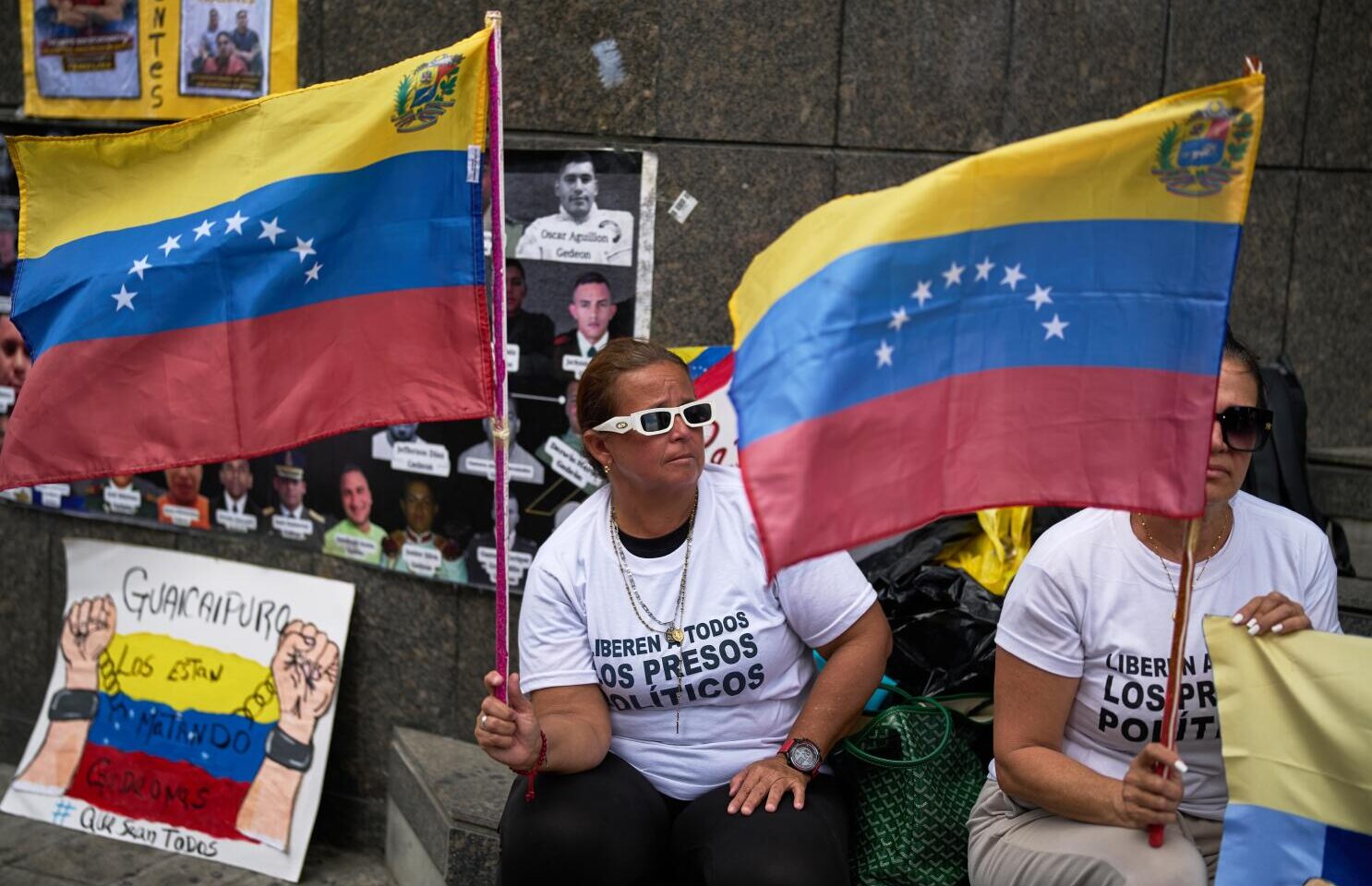
Relatives of prisoners have gathered outside detention centers across the country, celebrating the releases and expressing hope for the safe return of their loved ones. For many, the amnesty offers a long-awaited chance to reunite families disrupted by years of political imprisonment.
Observers note that the move also carries international implications, potentially easing foreign criticism and improving Venezuela’s diplomatic standing. The speed and effectiveness of the amnesty process will be closely watched, as it may determine whether the country can begin rebuilding trust among citizens and strengthen democratic norms after years of political strife.
With the amnesty underway, Venezuela faces a critical moment in its political evolution, as the government seeks to balance reform, justice, and stability in one of the most closely watched developments in Latin America this year.