







BAFTA Issues Cultural Apology After On‑Stage Incident Sparks Controversy
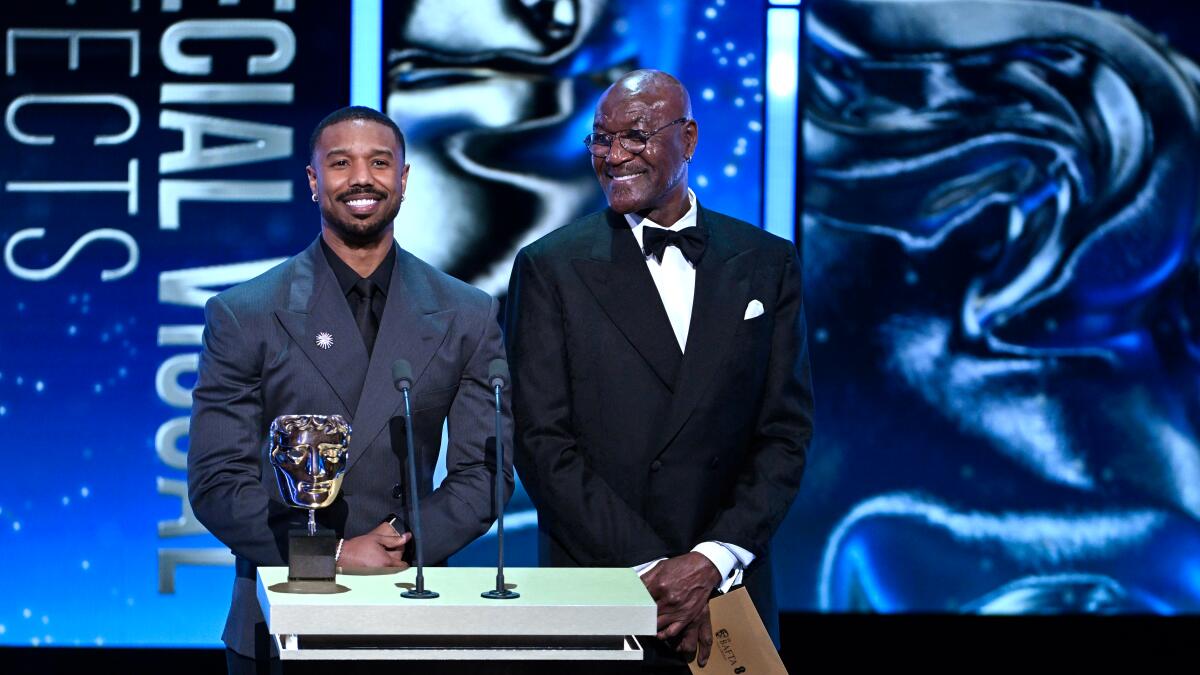
The British Academy of Film and Television Arts (BAFTA) has issued a public apology following an unexpected on-stage incident at the 2026 BAFTA Awards that drew widespread attention and debate. During the live ceremony, a guest with Tourette’s syndrome experienced involuntary vocal outbursts that included offensive language, prompting discomfort among audience members and viewers worldwide.
Organisers acknowledged that while efforts had been made to inform the audience about the possibility of such incidents, the warning was insufficient to prevent confusion and concern. In an official statement, BAFTA said it deeply regretted any distress caused and emphasised its commitment to inclusivity, accessibility, and understanding for all participants and viewers.
The incident sparked immediate discussion on social media, with reactions ranging from criticism to support for the guest, highlighting the challenges of balancing live entertainment with sensitivity toward neurodiverse individuals. Advocates for disability awareness praised BAFTA for addressing the situation promptly, while also calling for improved pre-event guidance and audience preparation in future ceremonies.
Television broadcaster BBC, which aired the ceremony, also released a statement expressing regret for any offence caused and confirmed that measures will be taken to provide clearer information to audiences in upcoming broadcasts. Media commentators noted that while such incidents are rare, they raise important questions about inclusivity, audience safety, and how live events accommodate individuals with medical conditions that may affect behaviour.
Despite the controversy, the awards ceremony continued as scheduled, with winners celebrated across film, television, and entertainment categories. BAFTA officials stressed that the organization remains committed to maintaining a welcoming environment for all talent, guests, and viewers, and that lessons from the incident will be used to enhance future events.
The episode at BAFTA 2026 underscores the ongoing conversation in the cultural and entertainment sectors about inclusivity, accessibility, and sensitivity in live broadcasts. It has drawn international attention, serving as a reminder of the complexities involved in producing high-profile cultural events while respecting the diverse needs of participants and audiences alike.
Organisers and broadcasters have pledged to review their policies and communication strategies, signalling a move toward more comprehensive planning and audience engagement to prevent similar issues in the future. The incident has sparked dialogue across the industry, highlighting the need for awareness and understanding as live cultural events evolve in a global, diverse context.