







Heathrow Chaos Grounds Hundreds as Turbulence Triggers 228 Delays and 48 Cancellations
Operations at Heathrow Airport were thrown into disarray this week after severe turbulence and operational strain combined to disrupt hundreds of flights, leaving business travelers stranded and airlines scrambling to recover schedules. A total of 228 flights were delayed and 48 were cancelled, creating ripple effects across domestic and international routes and intensifying pressure on Europe’s busiest aviation hub.
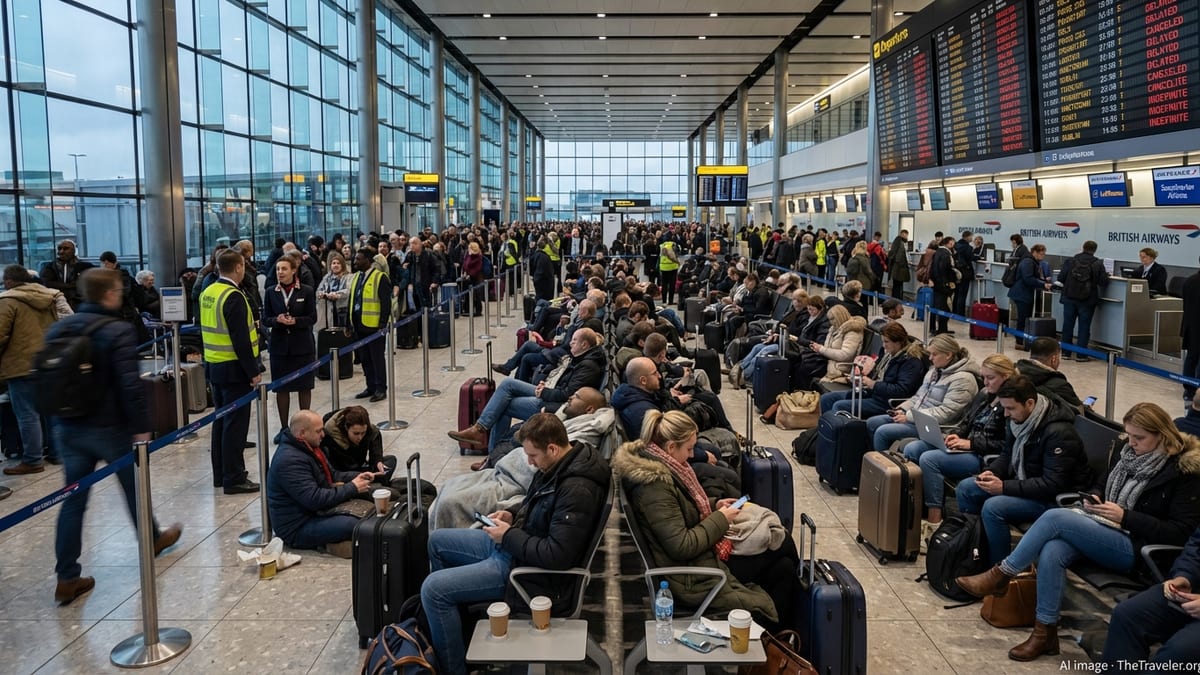
Airport terminals filled quickly as departure boards flashed delays throughout the day. Long queues formed at airline service desks while passengers searched for alternative connections. Many corporate travelers, already operating on tight schedules, reported missing key meetings and international connections as knock-on disruptions spread into the evening.
Airlines including British Airways were among those affected, with aircraft and crew rotations thrown off balance. Aviation analysts noted that even brief weather-related instability can have outsized consequences at a high-capacity airport like Heathrow, where runway slots operate at near-maximum levels. When turbulence forces spacing adjustments between arrivals and departures, the entire system can slow rapidly.
Airport officials said safety remained the top priority as air traffic controllers adjusted flight paths and timing to manage conditions. While the immediate cause was linked to atmospheric instability, industry observers also pointed to ongoing operational pressures such as staffing coordination and high passenger volumes, which can magnify disruption when unexpected weather events occur.
By late evening, airlines were working to rebook passengers and reposition aircraft, though some long-haul services faced extended delays into the following day. Travel experts warned that recovery at a major hub often takes 24 to 48 hours, particularly when cancellations affect aircraft scheduled for international rotations.
The disruption highlights the fragile balance within global aviation networks, where a single day of instability at a central hub can affect travelers across continents. For business passengers, the incident serves as a reminder of the growing unpredictability of air travel, even at world-class airports designed to handle millions of journeys each year.
As operations gradually stabilize, airlines are advising passengers to check flight statuses before heading to the airport and to allow additional travel time while schedules normalize.