






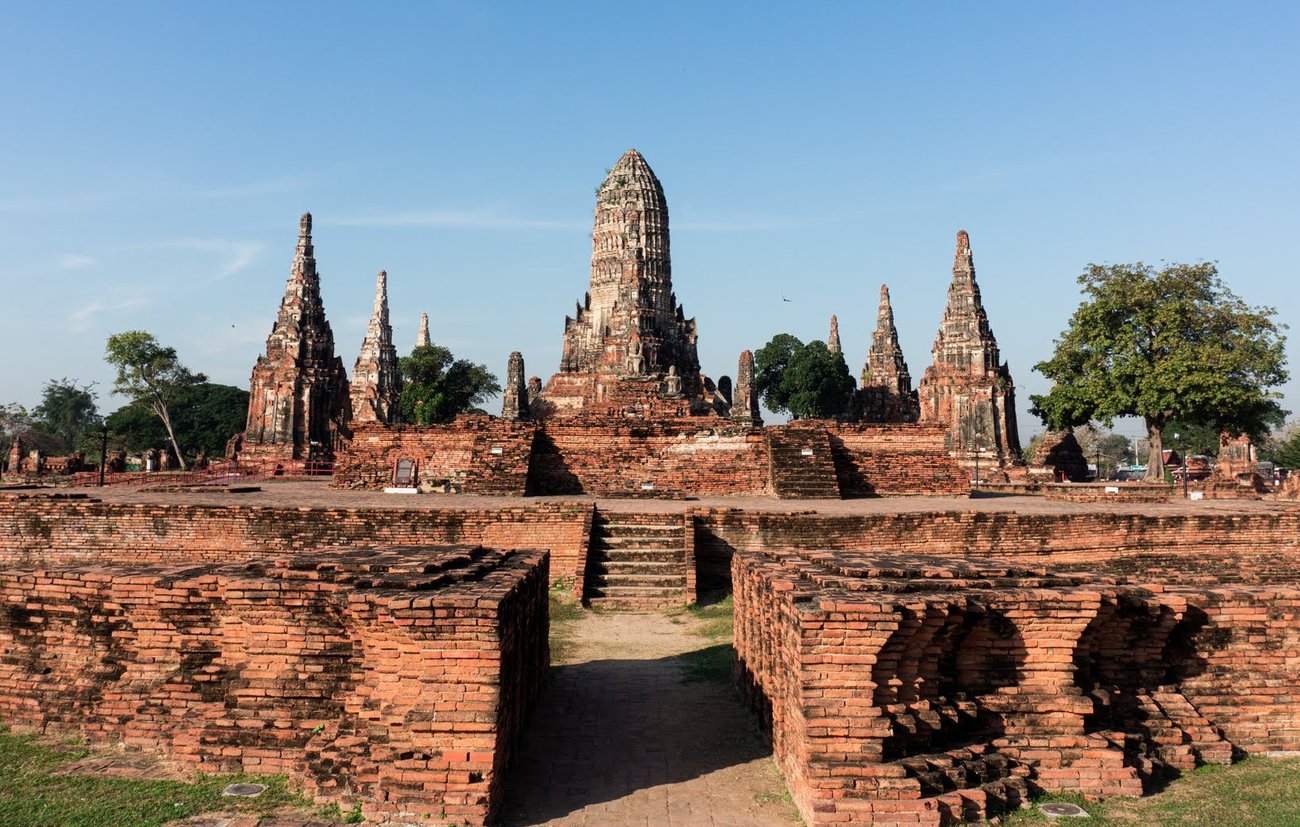
Preserving Heritage: Celebrating Culture in a Changing World
In an increasingly globalized world, preserving and celebrating culture has become more important than ever. From traditional music and dance to local crafts and culinary practices, cultural heritage provides communities with a sense of identity, continuity, and pride. Experts say that maintaining these traditions not only enriches societies but also fosters mutual understanding and respect across generations and borders.
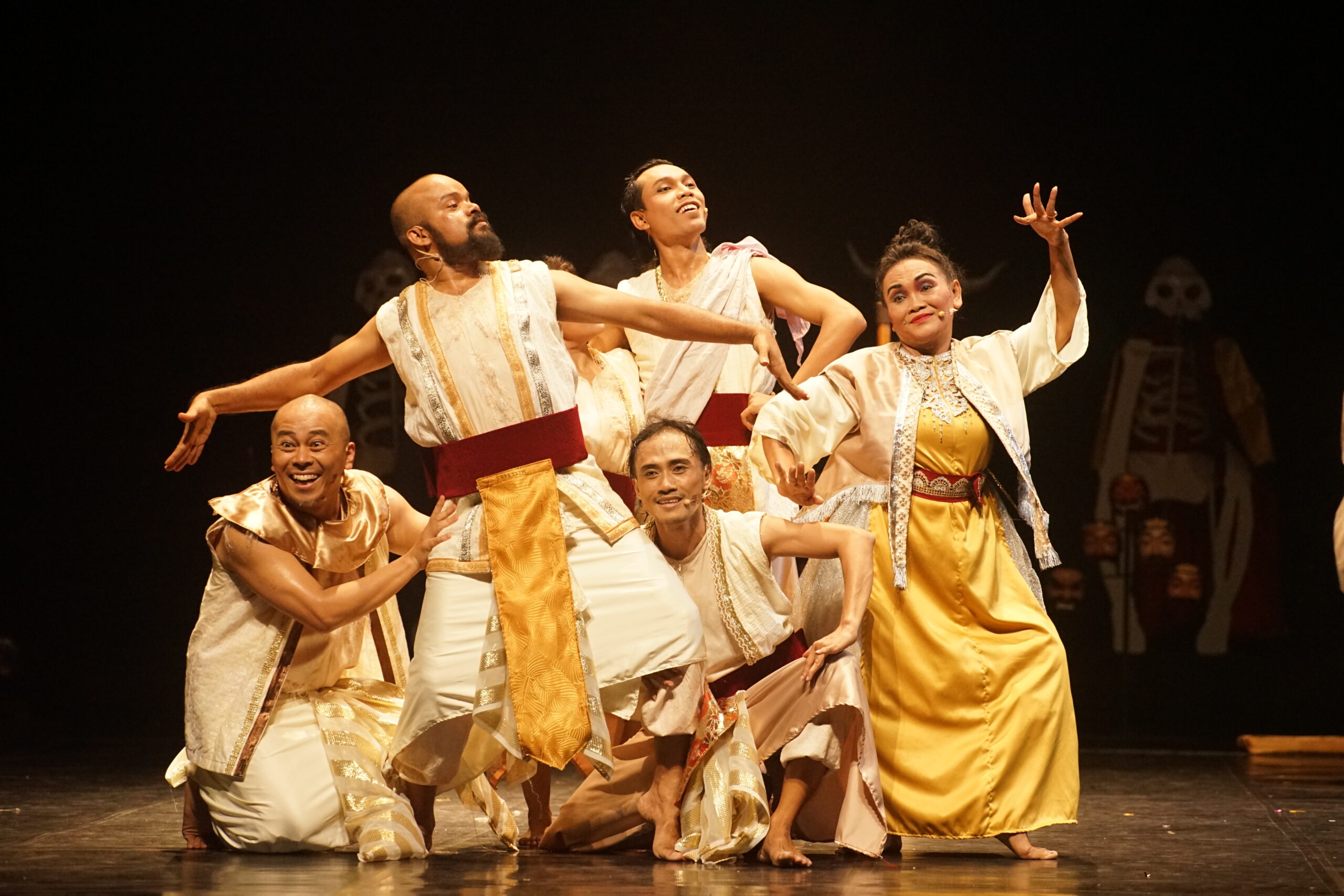
Around the world, cultural festivals and events continue to draw attention to local customs and artistic expressions. In Asia, vibrant festivals featuring colorful costumes, music, and dance showcase centuries-old traditions while attracting tourists and boosting local economies. In Africa, storytelling, tribal art, and rituals continue to preserve the history and beliefs of communities, passing knowledge from elders to younger generations. Europe and the Middle East are highlighting cultural restoration projects, protecting ancient architecture, manuscripts, and art that reflect their rich historical legacies.
Food is another integral part of cultural identity. Traditional cuisines, recipes, and cooking methods reflect the history and geography of a region. Culinary experts note that sharing and teaching these practices helps maintain cultural heritage while fostering social connection and cross-cultural appreciation.
Language is also at the heart of culture. Linguists warn that thousands of languages are at risk of disappearing, taking with them unique perspectives and traditional knowledge. Efforts to document and revive endangered languages, alongside promoting bilingual education, are helping communities retain their cultural voice while adapting to modern challenges.
Technology has also become a valuable tool for cultural preservation. Digital archives, virtual museums, and online platforms allow people worldwide to access and engage with cultural content that might otherwise be limited to local communities. Social media has also enabled younger generations to showcase and celebrate their cultural practices, making heritage accessible and relevant in contemporary life.
Experts emphasize that protecting culture is not just about looking to the past. It is about ensuring that traditions, arts, and values continue to evolve, thrive, and inspire future generations. Communities that actively preserve their heritage not only strengthen local identity but also contribute to a richer, more diverse global society.