




Middle East on Edge: Why This War Started in Iran
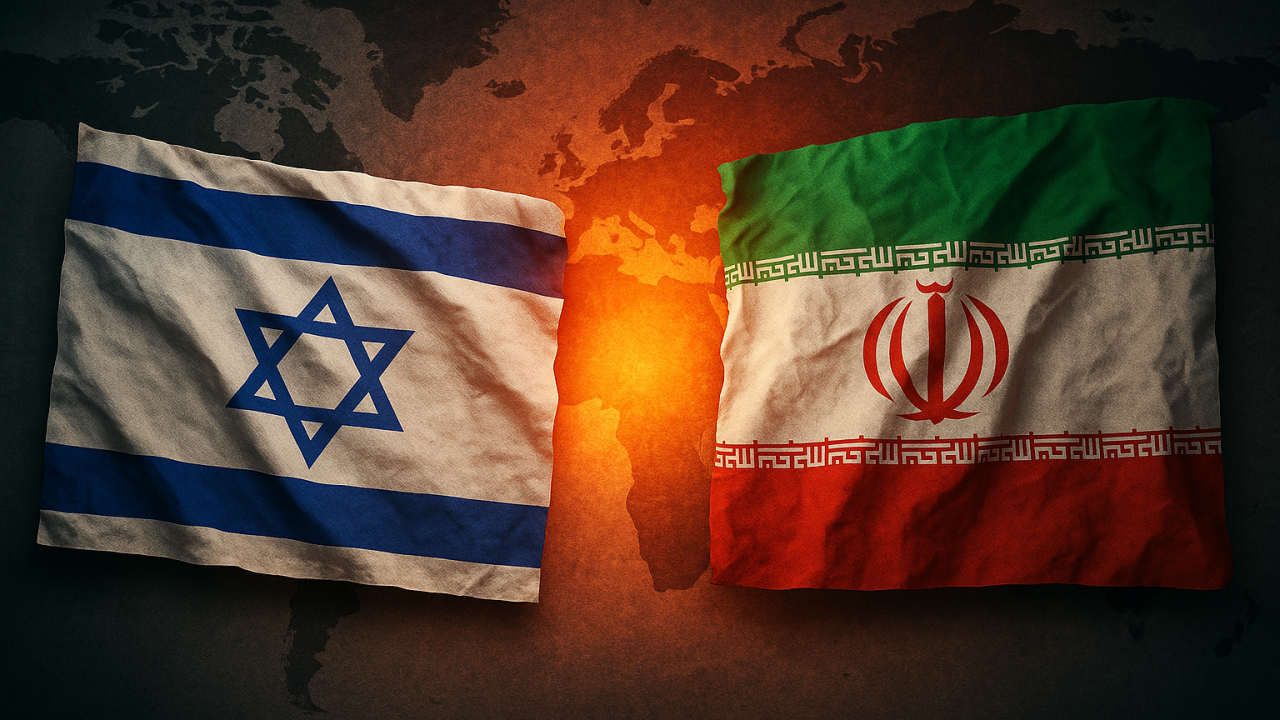
Iran is at the center of a major military conflict that has shaken the Middle East and captured global attention. The ongoing hostilities, now entering their second week, involve airstrikes, missile attacks, and drone operations, affecting multiple countries and raising concerns about regional stability and international security.
The conflict began on 28 February 2026, when Israel, with support from the United States, launched a series of air and missile strikes against strategic Iranian sites. According to officials, the attacks targeted Iran’s missile systems, military installations, and government infrastructure. Israel and its allies say the operation was intended to prevent Iran from advancing its nuclear program and expanding its influence through proxy groups in the region.
Iran responded rapidly, launching missiles and drones at Israeli territory, U.S. military bases in the Gulf, and neighboring countries including Oman, Jordan, Bahrain, and Qatar. This retaliation has expanded the conflict beyond Iran’s borders, creating a highly complex and dangerous situation in the region.
Analysts trace the escalation to decades of tension over Iran’s nuclear ambitions, ballistic missile programs, and regional influence. Multiple diplomatic efforts failed to curb these activities, leading Israel and its allies to resort to military action. Iran insists its strikes are defensive, aimed at safeguarding national sovereignty and deterring further attacks.
One of the most dramatic developments in the early days of the conflict was the reported death of Iran’s Supreme Leader, Ayatollah Ali Khamenei, in a missile strike. While details remain unconfirmed, the incident heightened hostilities and demonstrated the high stakes involved.
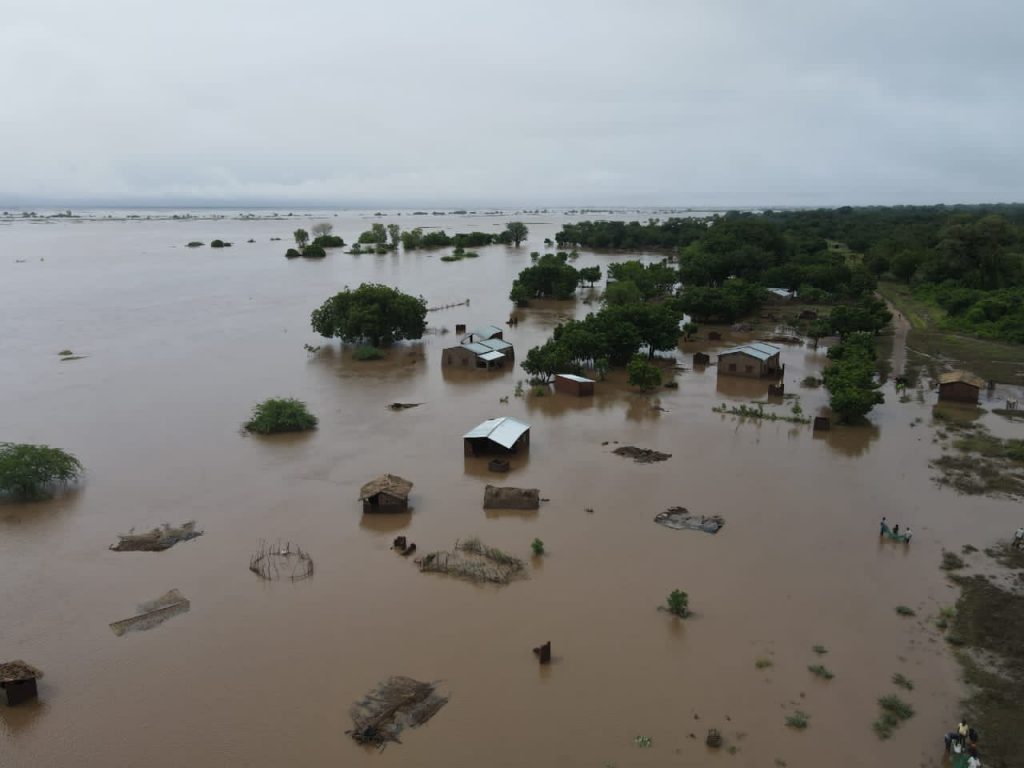
The war is already affecting global energy markets as attacks on oil facilities and threats to the Strait of Hormuz disrupt key shipping routes. Civilians across Iran and neighboring countries face displacement, shortages, and the ongoing threat of violence.
Governments worldwide have called for restraint, warning that the conflict could escalate into a broader regional war. Military analysts caution that these hostilities could reshape power dynamics in the Middle East, with significant consequences for global security and economic stability.
As Iran remains at the center of this crisis, the world watches closely. Understanding why this war started is key to anticipating its potential impact on the Middle East and beyond, as the situation continues to evolve daily.