






Raging Floods and Storms Threaten Wildlife Across the Globe
Severe flooding and intense storms are taking a heavy toll on wildlife around the world, conservationists warn, as animals struggle to survive amid rapidly changing habitats. From submerged nesting grounds to destroyed feeding areas, species both large and small are facing unprecedented challenges due to extreme weather events exacerbated by climate change.
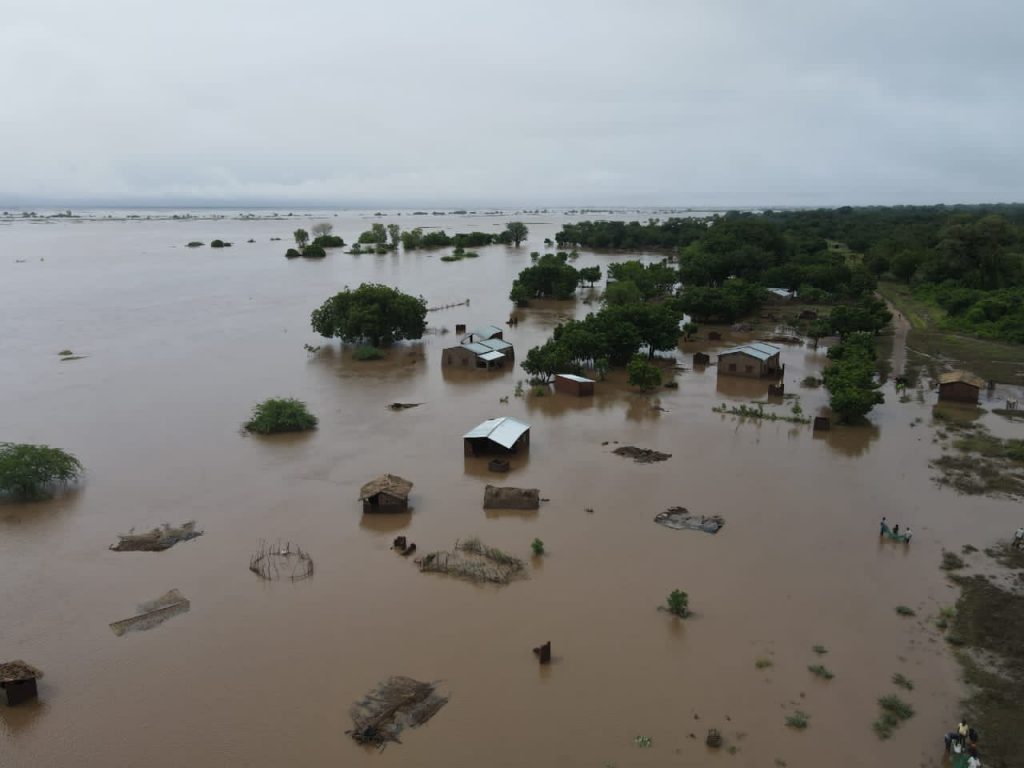
In low-lying regions, floods have swept away critical habitats for birds, amphibians, and small mammals. Nesting sites along riverbanks have been washed out, leaving eggs and young animals vulnerable. Wetlands, often home to endangered species, are inundated, forcing animals to relocate or face starvation. “We’re seeing entire generations wiped out in some areas,” said Dr. Emily Carter, a wildlife ecologist. “Floods are not just temporary disruptions—they can permanently alter ecosystems.”
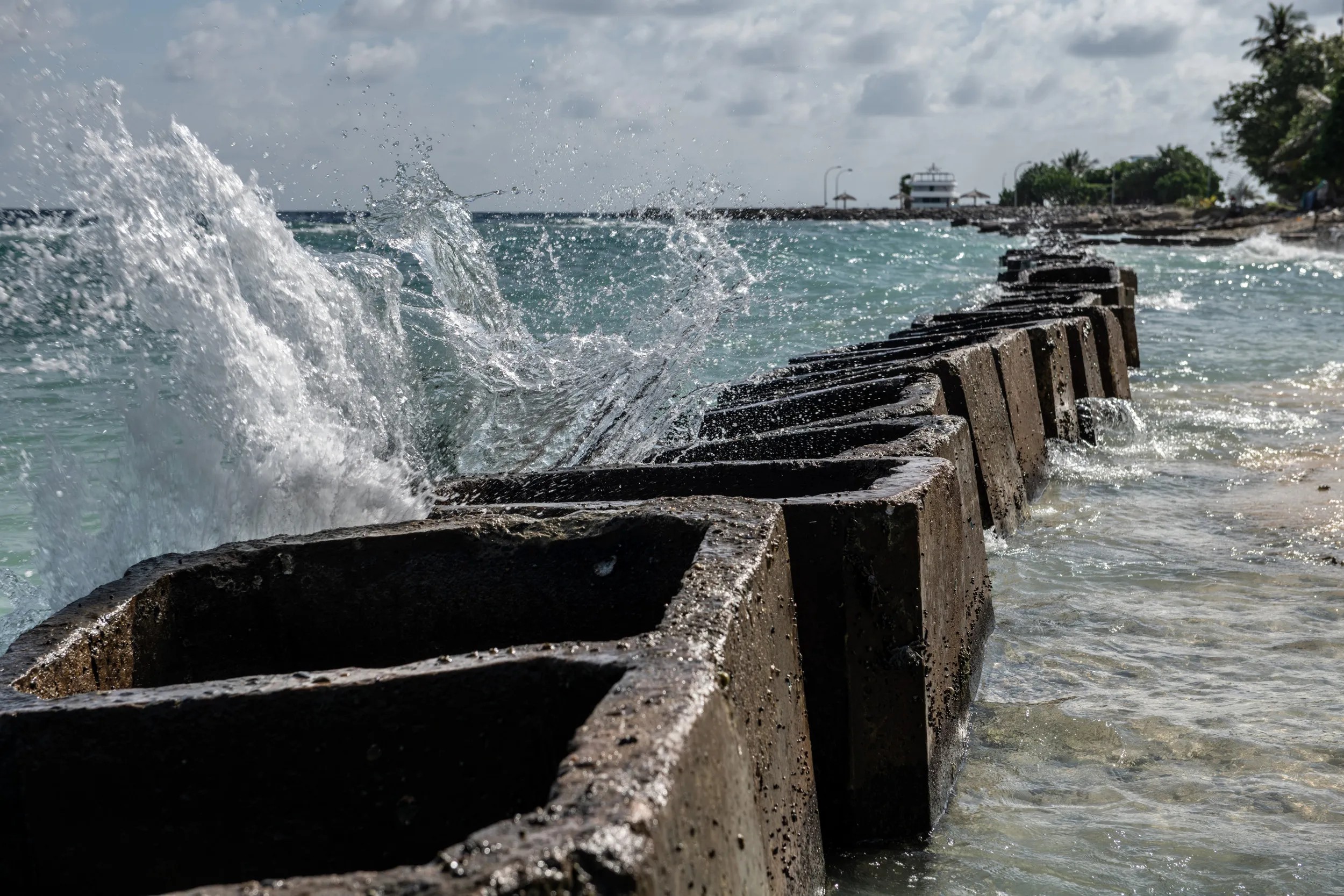
Storms and hurricanes have also uprooted trees, destroyed coral reefs, and flooded coastal habitats, leaving marine and terrestrial animals exposed. Sea turtles, whose nesting beaches are increasingly submerged, are laying fewer eggs, while coastal birds lose shelter and food sources. Inland, heavy rains and flash floods are driving predators and prey into unfamiliar territories, sometimes causing conflict and increased mortality.
The impact is not limited to individual species. Entire ecosystems are being reshaped as wildlife responds to the changing environment. Fish populations are forced into new waterways, displacing local species and altering food chains. Pollinators such as bees and butterflies are struggling to find flowers amid waterlogged meadows, threatening plant reproduction and agriculture alike.
Human-wildlife interactions are also increasing as animals seek refuge from flooding and storms. Reports of displaced deer, wild boars, and other animals entering urban areas are becoming more common, sometimes leading to dangerous encounters and further stress on wildlife. Conservation groups stress the need for emergency measures, such as temporary shelters and rescue operations, to protect both animals and human communities.
Experts warn that unless climate change mitigation and adaptive conservation strategies are prioritized, the frequency and severity of extreme weather events will continue to escalate, placing more species at risk. “Protecting wildlife isn’t just about preserving biodiversity,” Dr. Carter added. “It’s about maintaining the balance of ecosystems that support human life as well.”
As floods recede and storms pass, the long-term survival of countless species depends on proactive measures, habitat restoration, and global awareness of the interconnected challenges posed by extreme weather and climate change.