




Middle East on Edge: Trump Demands Iran’s Surrender as Israel Strikes Strategic Oil Depots
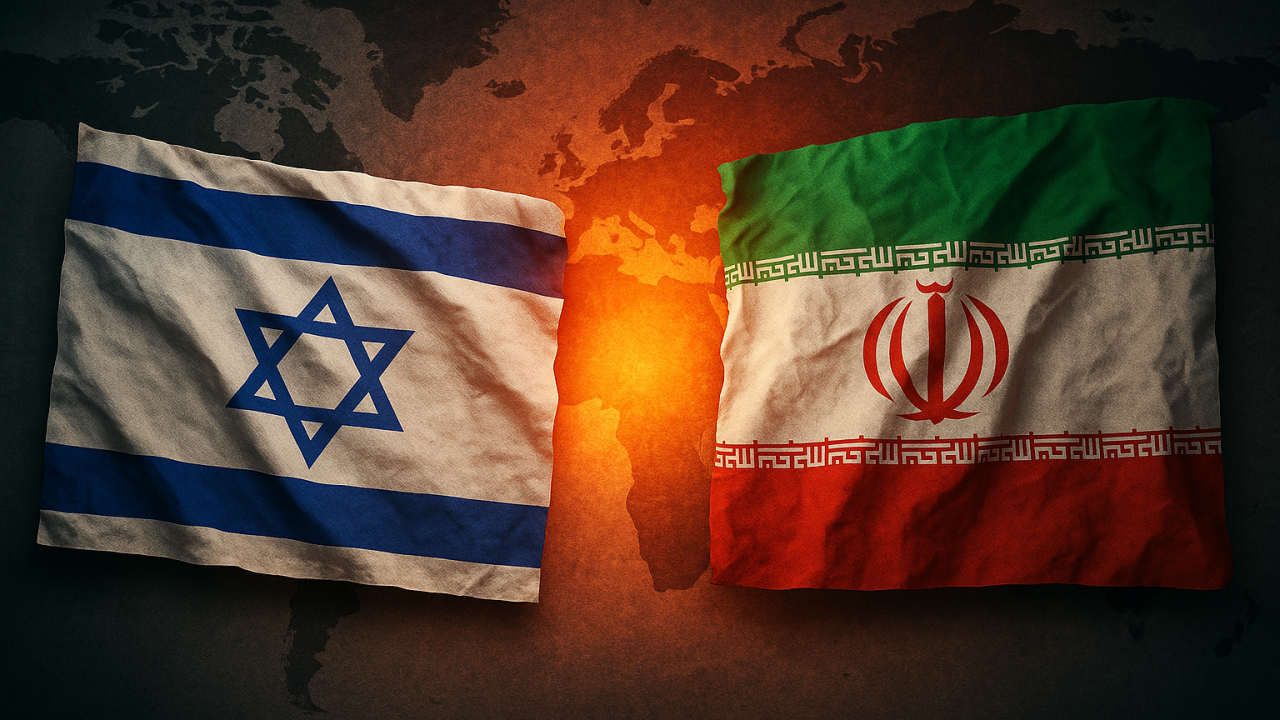
The conflict involving Iran has intensified as former U.S. President Donald Trump again demanded Tehran’s “unconditional surrender,” while Israeli forces launched new airstrikes targeting major oil depots and energy facilities inside Iran. The latest developments signal a dangerous escalation in a conflict that is already sending shockwaves across the Middle East and global energy markets.
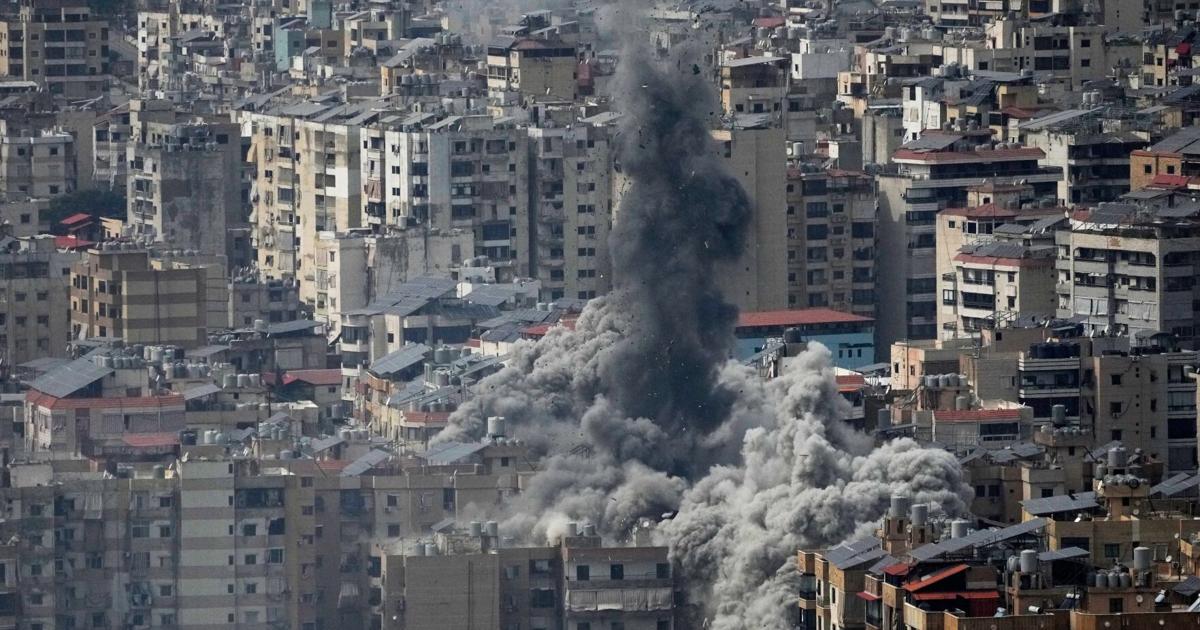
Israeli warplanes reportedly carried out strikes on oil storage depots and refining infrastructure in and around Tehran, igniting large fires and damaging key energy installations. The attacks mark one of the most significant strikes on Iran’s oil sector since the conflict began, highlighting Israel’s effort to weaken the country’s economic and military capabilities.
At the same time, Trump renewed his call for Iran to surrender completely, stating that the war would only end when Tehran’s leadership accepts defeat or its military capabilities are fully dismantled. The demand for “unconditional surrender” has become a central theme in his public statements, raising concerns among international observers about the possibility of further escalation.
Iranian officials have rejected the demand, calling it unrealistic and insisting that the country will continue to defend itself against foreign attacks. President Masoud Pezeshkian recently described the idea of surrender as a “dream,” emphasizing that Iran would not bow to pressure despite ongoing military strikes.
The conflict, which entered its second week, has already caused significant destruction and loss of life across the region. Airstrikes and missile attacks have been reported in multiple locations, while regional tensions continue to rise as neighboring countries brace for possible spillover effects.
In addition to the humanitarian impact, the conflict is also affecting global energy markets. Strikes on oil infrastructure and fears of supply disruptions have pushed crude oil prices sharply higher, raising concerns about economic consequences worldwide.
International leaders have urged restraint and renewed diplomatic efforts to prevent the war from spreading further. However, with military operations continuing on multiple fronts and both sides showing little willingness to compromise, the situation remains highly volatile.
As the conflict deepens, the world is watching closely to see whether diplomatic channels can reopen or whether the confrontation will expand into a broader regional crisis with far‑reaching consequences.