







Airlines Raise Fares and Cut Seats as Middle East Conflict Sends Fuel Prices Soaring
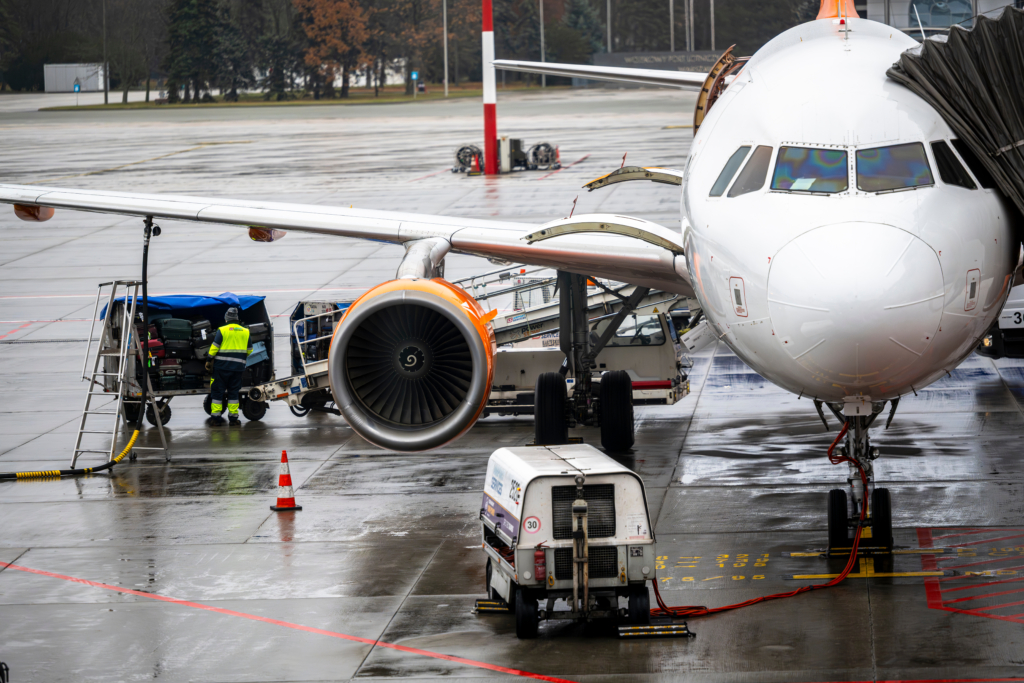
Global airlines are grappling with unprecedented cost pressures as soaring jet fuel prices, triggered by the ongoing Middle East conflict, force carriers to increase fares and reduce available seats on multiple routes. Jet fuel, a major operating expense for airlines, has surged to $150–$200 per barrel, nearly doubling from pre-conflict levels, putting significant strain on both airlines and passengers worldwide.
Air New Zealand was among the first to respond, announcing fare hikes on domestic and international routes while suspending its 2026 financial outlook due to rising operational costs. Short-haul flights have seen ticket prices rise by NZ$20, while long-haul journeys have experienced increases of up to NZ$90. The airline also warned that some flight schedules may be adjusted or temporarily reduced to cope with the higher fuel burden.
Other carriers across Asia, Europe, and North America are following suit. Airlines in Asia have already raised fares on long-haul flights by roughly 15 percent, with some projecting potential increases of up to 70 percent if fuel prices remain elevated. Canadian airlines, including Air Canada, WestJet, and Air Transat, have also warned of fare increases of up to 20 percent on international routes, particularly to Europe and Asia.
The conflict in the Middle East has disrupted critical oil supply routes and caused volatility in global energy markets. Combined with airspace closures and longer alternative flight paths, operational costs have risen sharply. Airlines are being forced to adjust flight frequencies, reroute aircraft, and prioritize more profitable routes, leaving passengers with fewer options and higher prices.
Travel and tourism analysts caution that sustained high fares may lead to delayed bookings, reduced international travel, and slower recovery for global tourism. Many travelers are reportedly reconsidering vacations and business trips as carriers pass fuel cost increases directly to passengers. Economists also warn of broader economic implications, as higher airfares contribute to inflationary pressure in countries heavily reliant on tourism revenue.
Industry observers note that while geopolitical tensions persist, any resolution or de-escalation of the conflict could stabilize fuel prices, allowing airlines to moderate fare increases and resume normal schedules. However, until energy markets stabilize, travelers are advised to plan ahead, book early, and remain flexible with itineraries.
The current surge in fares underscores the close link between geopolitics, energy markets, and global finance. Airlines worldwide are navigating one of the most turbulent periods in recent history, balancing financial sustainability with passenger demand while preparing for continued volatility in the months ahead.