





UK PM Warns Iran Conflict Could Drive Energy Prices and Inflation Higher, Threatening Households and Businesses
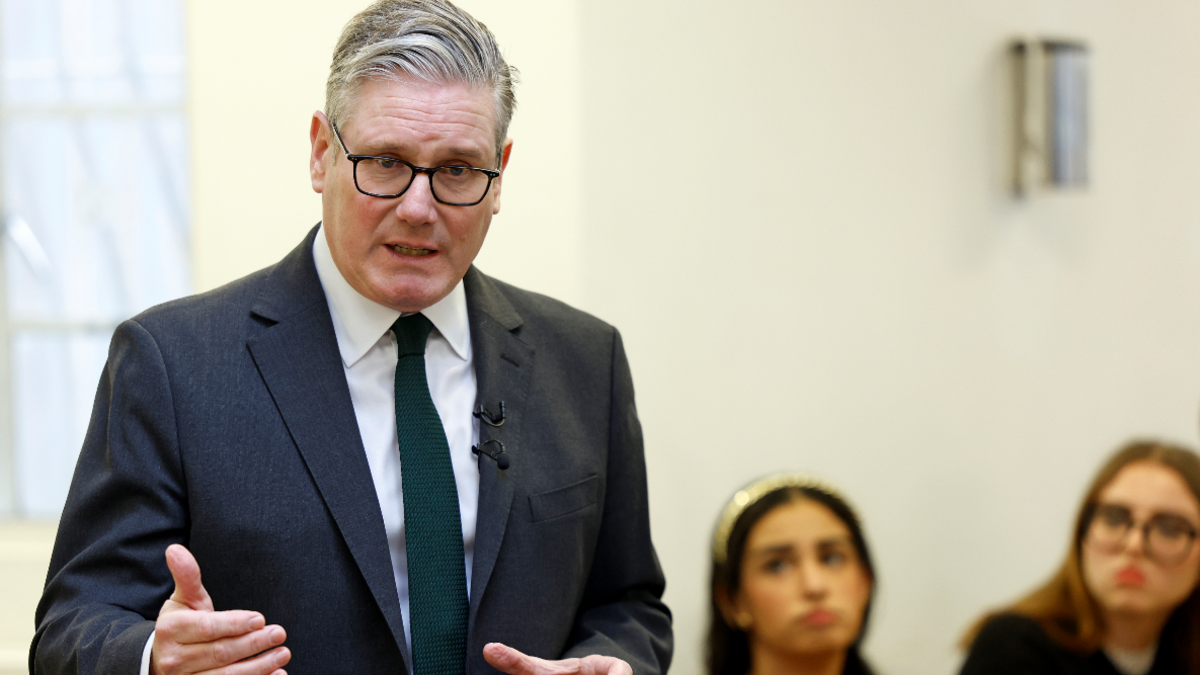
British Prime Minister Sir Keir Starmer has cautioned that the ongoing conflict in the Middle East, particularly involving the United States, Israel, and Iran, could have a significant impact on the UK economy if it continues for an extended period. Speaking on 10 March 2026, Starmer highlighted that rising energy costs and market volatility are already creating pressures on households and businesses, and warned that the situation could worsen if the conflict persists.
“The longer this goes on, the greater the likelihood of economic impact affecting every household and every business in the country,” Starmer said, emphasizing the government’s commitment to monitoring the situation closely and planning appropriate measures to mitigate potential disruption.
Global oil prices have surged above $100 per barrel in response to concerns about supply disruptions caused by the conflict, driving up energy costs for consumers and companies alike. The spike in prices has contributed to volatility in financial markets, with London’s FTSE 100 index experiencing early declines following the escalation. Analysts warn that sustained high oil prices could exacerbate inflationary pressures and slow economic growth.
The government is coordinating with international partners to assess risks and explore measures to stabilize markets. Starmer noted that these discussions focus on reducing the potential impact on UK consumers and businesses, stressing the importance of global cooperation in addressing the crisis.
Chancellor Rachel Reeves also weighed in, warning that the conflict is likely to put upward pressure on inflation in the coming months. She emphasized that targeted interventions, such as releasing strategic oil reserves and supporting households facing rising energy bills, are being considered to help cushion the economic shock.
While the UK economy remains resilient, ministers acknowledge that prolonged geopolitical tension could strain both households and companies. Rising living costs, energy bills, and operational expenses for businesses could combine to create a challenging environment if the conflict does not ease.
The prime minister’s warning underscores the broader economic consequences of international crises, illustrating how geopolitical instability can quickly ripple through domestic markets. Starmer and his cabinet have reiterated their commitment to proactive monitoring and responsive policy measures, aiming to shield the UK economy from the worst effects while keeping households and businesses informed and supported.
As the situation develops, UK authorities continue to emphasize preparedness, urging households and companies to stay alert to potential fluctuations in energy prices and supply, while maintaining confidence in the country’s economic resilience.