







Israel Intensifies Airstrikes on Beirut Suburbs and Southern Lebanon Amid Escalating Hezbollah Conflict
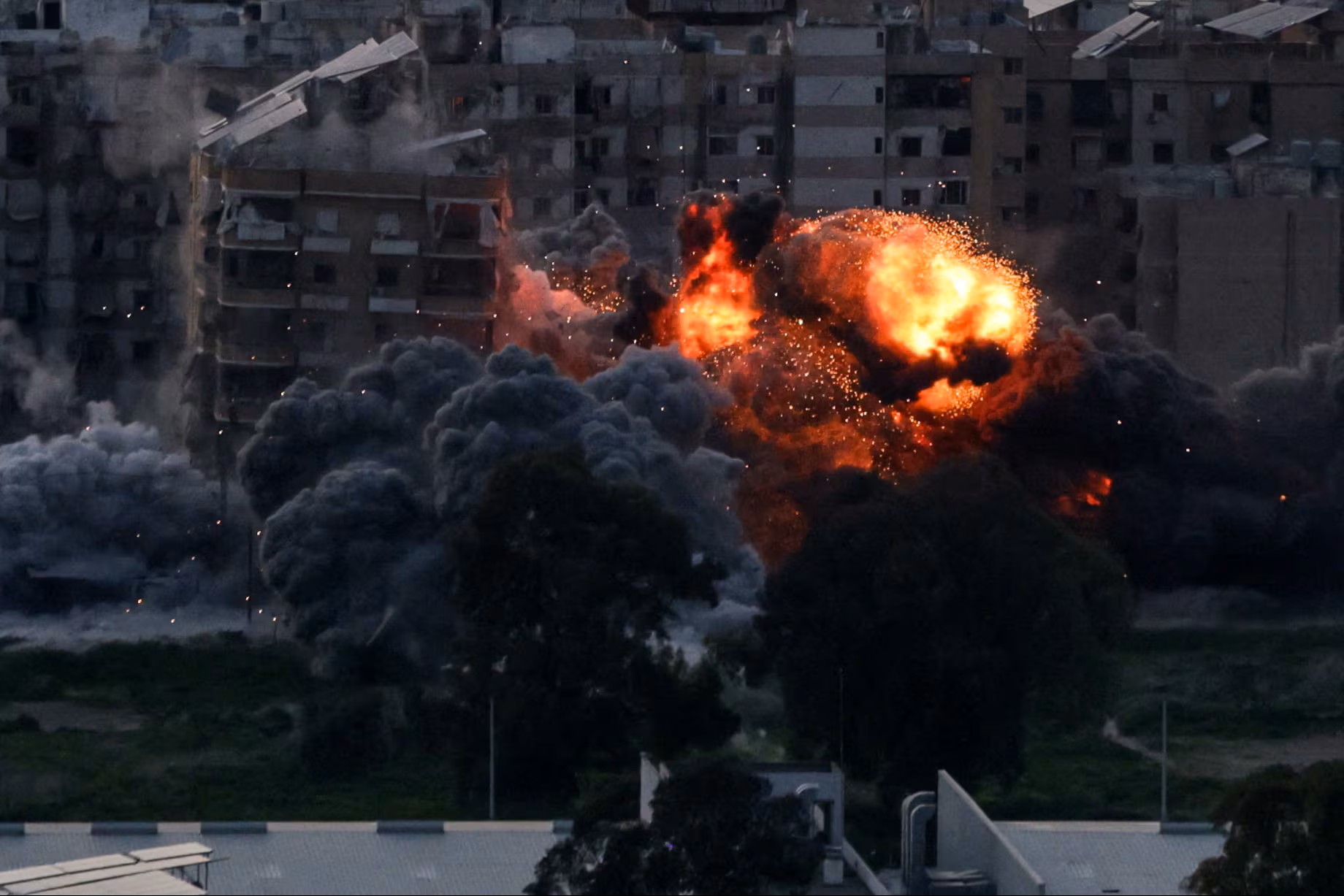
Israeli forces have launched heavy airstrikes across southern Lebanon and the southern suburbs of Beirut, marking a major escalation in the ongoing conflict with Hezbollah. The strikes targeted Beirut’s Dahiyeh district, a well-known Hezbollah stronghold, as well as towns in southern Lebanon, including Tyre and Nabatieh. Lebanese media reported that at least eight civilians were killed, dozens injured, and multiple residential buildings severely damaged, forcing thousands to flee their homes.
Hezbollah, the Iran-backed militant group and political organization, responded with a coordinated barrage of rockets and missiles into northern Israel, striking cities including Haifa and areas in the Galilee region. The group described its actions as retaliation for the Israeli airstrikes and warned that it would continue operations until the attacks on Lebanese territory ceased. Observers noted that the scale of the rocket fire is one of Hezbollah’s most extensive in recent years, signaling a dangerous escalation along the Israel-Lebanon border.
Israeli military officials stated that the airstrikes aim to dismantle Hezbollah’s military infrastructure, including weapons stockpiles, missile launch sites, and command centers. A senior defense source said the offensive would continue with targeted strikes on areas associated with Hezbollah, emphasizing the strategic goal of reducing the group’s ability to launch attacks against Israeli cities.
The escalation has created a severe humanitarian crisis in Lebanon. More than 800,000 families have reportedly been displaced from southern Lebanon and the outskirts of Beirut, many seeking shelter in northern and central regions. Local hospitals are overwhelmed with casualties, while power and water shortages have added to the hardship faced by civilians. Lebanese authorities have appealed for international assistance and urged all parties to exercise restraint, warning that continued violence could destabilize the wider region.
Analysts have cautioned that the conflict risks drawing in additional regional actors, potentially exacerbating the already volatile situation in the Middle East. The renewed airstrikes and retaliatory rocket fire underline the human cost of the conflict and the ongoing cycle of escalation between Israel and Hezbollah. Diplomats have urged dialogue to prevent further casualties, but the immediate outlook suggests that fighting is likely to continue, keeping civilians in a precarious and dangerous situation.