






Sri Lanka Takes Urgent Economic Steps to Counter Global Fuel Supply Crisis
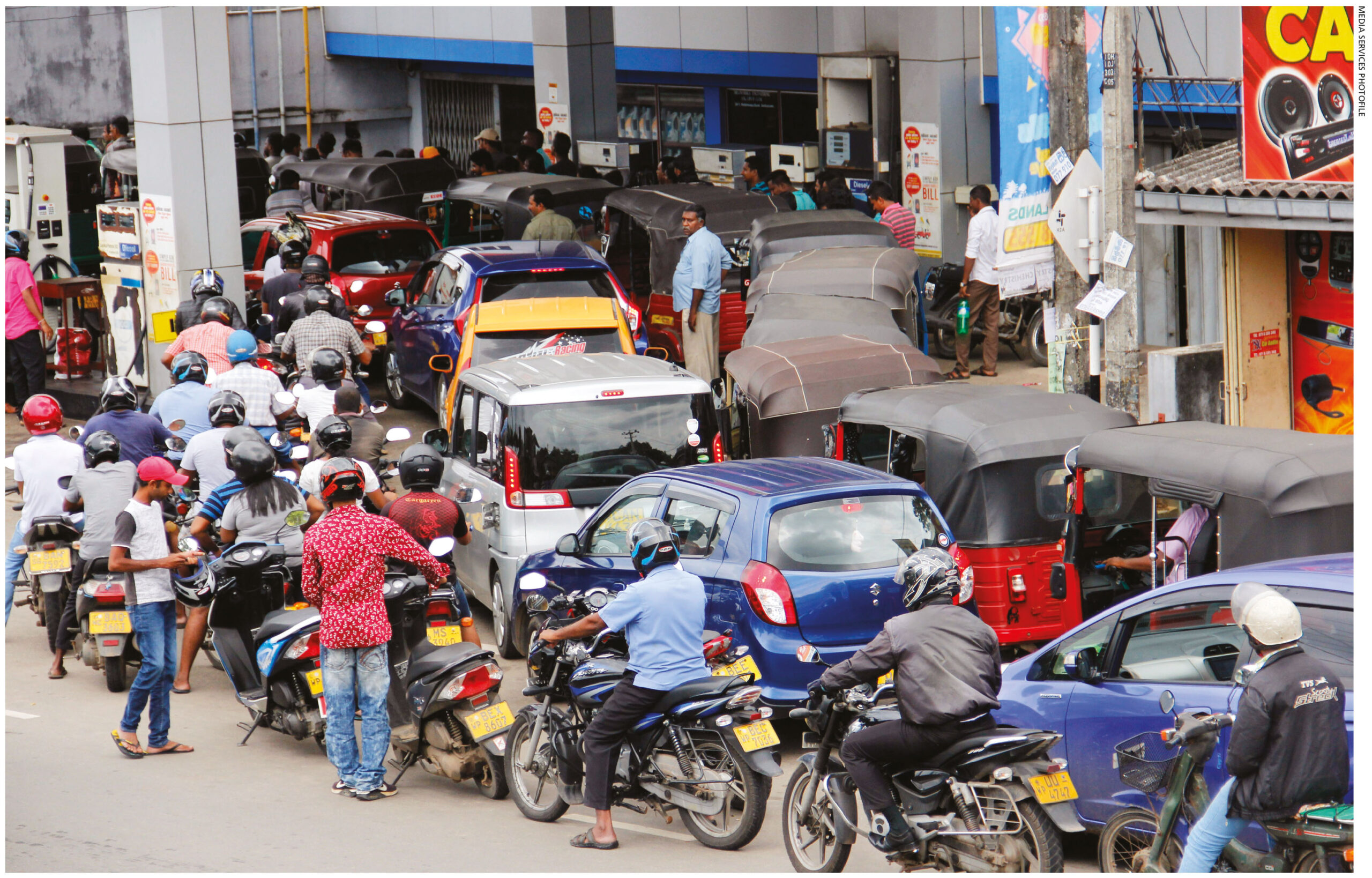
Sri Lanka has launched a series of urgent economic measures to confront the escalating global fuel supply crisis, which threatens to disrupt energy-dependent sectors and weaken the country’s fragile economic recovery. Rising oil prices, coupled with ongoing disruptions along key shipping routes in the Middle East, have created serious concerns about fuel availability. The government has responded swiftly to secure critical imports and reduce consumption pressures.
President Anura Kumara Dissanayake approved emergency spot purchases of crude oil, petrol, and diesel to address an estimated shortfall of over 90,000 metric tonnes. Additionally, a shipment of 33,000 metric tonnes of liquefied petroleum gas (LPG) is expected soon to alleviate shortages of cooking fuel. Farmers, fishermen, and workers in the tourism sector have been prioritized for fuel access to ensure that essential services and economic activities continue uninterrupted.
In a bid to curb fuel consumption nationwide, the government has declared Wednesdays as public holidays for government offices and public institutions. Moreover, a four-day workweek has been implemented for state employees. These measures are designed to reduce commuting, extend the usage of limited fuel stocks, and lower overall demand across public services.
The authorities have also reinstated the QR-code-based fuel rationing system, first used during the severe economic crisis of 2022. This initiative limits individual allocations, prevents panic buying and hoarding at petrol stations, and ensures equitable distribution of available fuel across sectors and regions.
Business leaders have broadly welcomed the government’s proactive steps, emphasizing the need for coordinated action to maintain economic stability amid global market volatility. The Ceylon Chamber of Commerce urged policymakers to introduce additional safeguards for vulnerable industries and ensure that external shocks do not further destabilize the economy.
Officials stress that these measures are temporary but necessary to navigate the immediate crisis. Colombo’s multi-pronged approach—combining emergency procurement, import diversification, rationing, and demand management—reflects the government’s determination to maintain economic continuity despite global energy uncertainties.
With global energy markets under pressure, and supply chains facing unpredictable disruptions, Sri Lanka’s swift and decisive interventions are aimed at preventing shortages from spiraling into broader economic challenges. Observers say that while these steps may bring temporary relief, longer-term energy strategies will be essential to reduce the country’s vulnerability to global fuel shocks in the future.