









Oil Prices Jump After Trump Dismisses Iran Peace Proposal as Markets Fear Supply Shock
Global oil prices surged sharply on Monday after Donald Trump reportedly dismissed a new Iran peace proposal, raising fears that the ongoing conflict could drag on and further disrupt global energy supplies.
The market reaction came amid heightened uncertainty over the Middle East conflict and the continued instability around the Strait of Hormuz, one of the world’s most critical oil shipping routes. Traders responded quickly to the political developments, pushing crude benchmarks higher in early Asian trading.
Analysts say Trump’s rejection of the latest Iranian proposal signaled that diplomatic progress toward ending the war has stalled, reducing hopes of an imminent ceasefire. The move intensified concerns that oil exports from the region could remain restricted for a prolonged period.
Brent crude and U.S. West Texas Intermediate both recorded strong gains as investors priced in potential supply shortages. Energy markets have remained highly sensitive to political statements, with even brief diplomatic setbacks triggering sharp price swings.
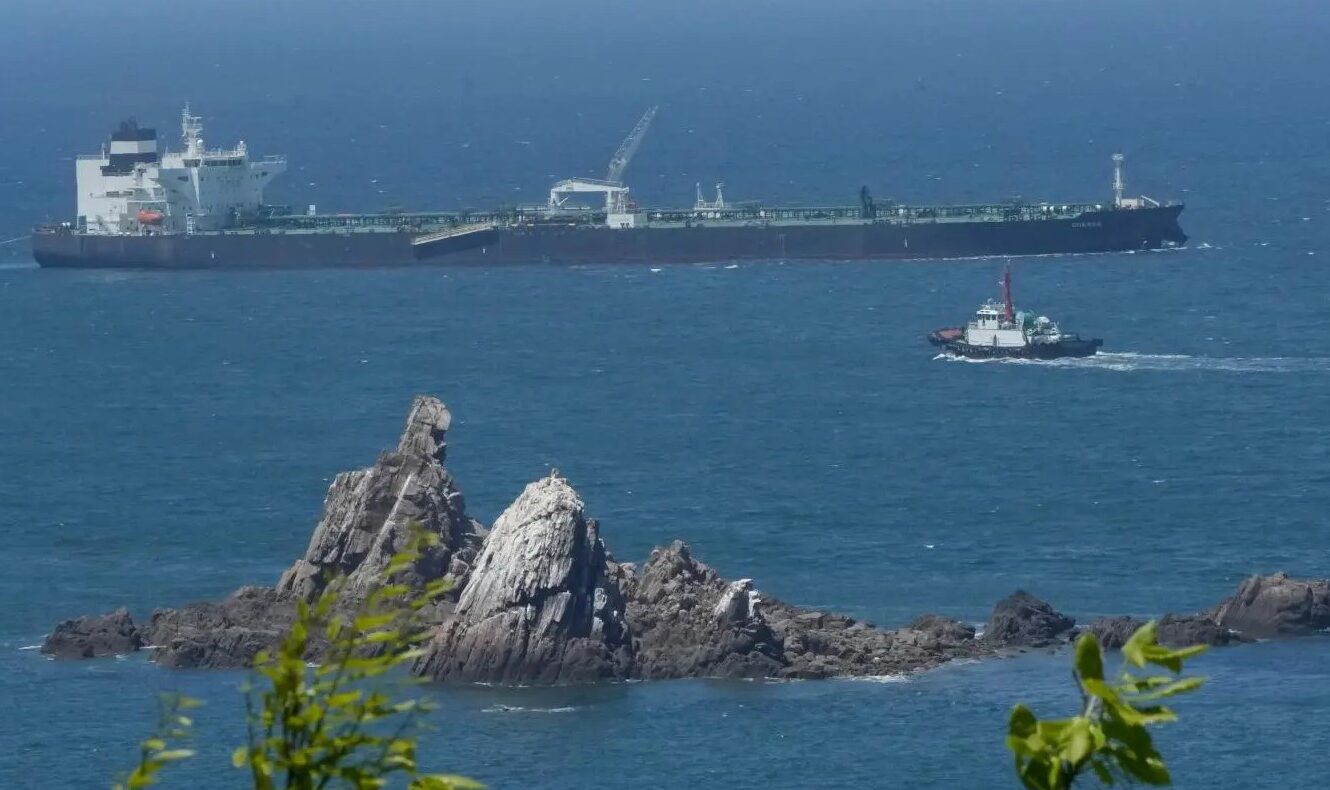
The Strait of Hormuz remains a key focal point for traders, as any disruption in the passage of tankers through the narrow waterway could significantly tighten global supply. With tensions still unresolved, insurance costs for shipping have also increased, adding further pressure to energy markets.
Stock markets showed mixed reactions, with energy shares gaining while broader indices struggled under the weight of geopolitical uncertainty. Meanwhile, the U.S. dollar strengthened as investors moved toward safer assets.
Market strategists warn that continued breakdowns in negotiations between Washington and Tehran could keep oil prices elevated in the short term. Some also caution that prolonged instability may fuel inflationary pressure globally, particularly in energy-importing economies.
As diplomatic channels remain uncertain, traders are closely watching for any signs of renewed negotiations or military escalation, both of which could sharply influence the direction of global oil markets in the coming days.