









UK Army Rushes Medics to Remote Island After Suspected Hantavirus Case
The British Army deployed military medical teams to the remote South Atlantic island of Tristan da Cunha after a resident was suspected of contracting hantavirus following recent travel aboard the MV Hondius cruise ship.
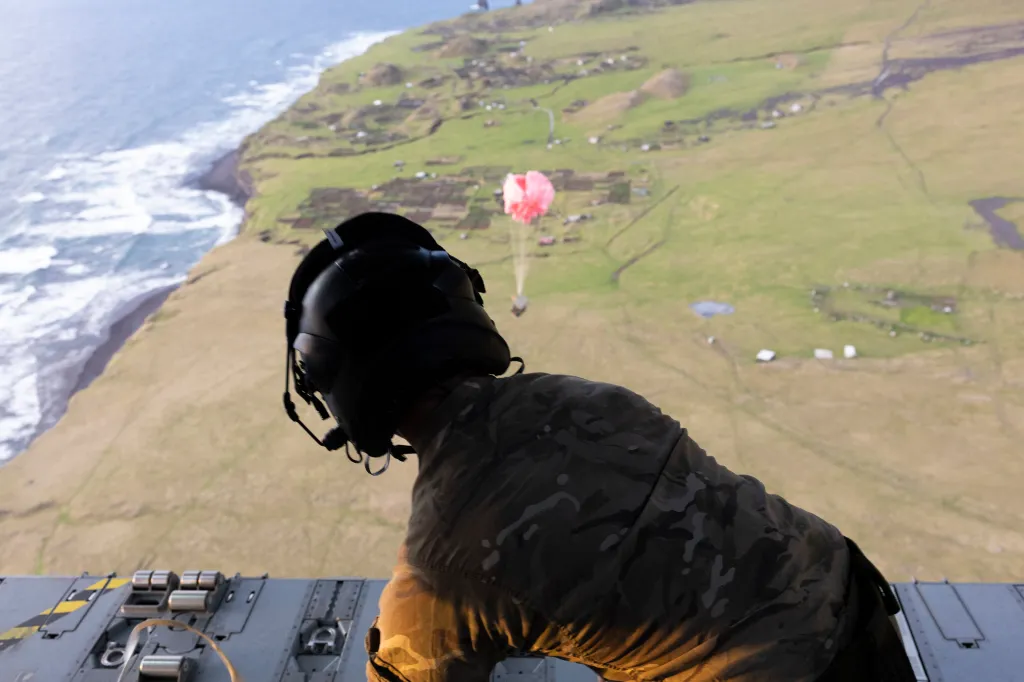
According to reports, British military medics were parachuted onto the isolated island to provide emergency medical support and assist local health authorities in handling the potential outbreak. The operation highlighted the challenges of delivering healthcare to one of the world’s most remote inhabited islands, located thousands of miles away from mainland medical facilities.
The suspected patient had recently returned from a voyage on the MV Hondius before showing symptoms believed to be linked to hantavirus, a rare but potentially serious disease usually spread through contact with infected rodents or their droppings. Health officials quickly raised concerns about the possibility of infection due to the island’s limited medical infrastructure and isolation.
Authorities moved swiftly to assess the patient’s condition and monitor possible contacts within the small island community. Residents were advised to follow precautionary health measures while experts conducted tests to confirm whether the illness was indeed hantavirus.
The rapid response by British military teams demonstrated the seriousness with which health officials treated the situation. Emergency medical personnel reportedly carried specialized equipment and supplies to support diagnosis, isolation procedures, and treatment if required.
Tristan da Cunha, a British Overseas Territory, is known for its extreme remoteness and small population. The island has no airport, making access difficult and often dependent on ships or military operations. In medical emergencies, outside assistance can take days to arrive, increasing the importance of rapid coordination.
Health experts say hantavirus infections are rare but can become dangerous if not identified early. Symptoms often begin with fever, fatigue, and muscle aches before potentially developing into severe respiratory complications.
The incident has also raised questions about health screening and monitoring for international cruise travel, particularly to isolated regions with limited healthcare access. Authorities are continuing their investigation while closely observing the patient’s condition and the wider community for any additional suspected cases.
Officials emphasized that precautionary measures were taken quickly to minimize risks and reassure residents as medical teams continue their work on the island.