








India’s “Cockroach Janata Party” Goes Viral as Satirical Movement Reflects Youth Anger
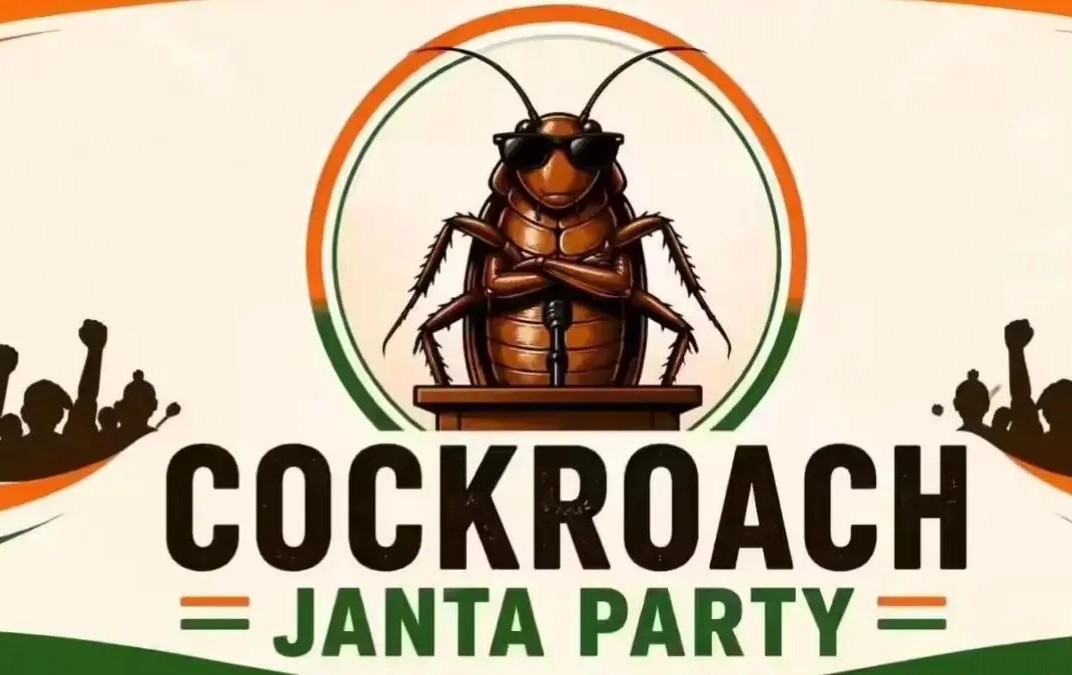
A new and unusual name has recently taken over India’s social media feeds the “Cockroach Janata Party” (CJP) a satirical, online-driven movement that has rapidly grown into a talking point across digital platforms. What started as a reaction to controversial remarks about unemployed youth has now evolved into a viral expression of frustration, humor, and political commentary.
The movement is not a traditional political party in the formal sense, but rather a digital satire collective that uses irony and meme culture to highlight issues such as unemployment, governance, and public dissatisfaction. Its supporters describe it as a symbolic space for people who feel unheard in mainstream political discourse.
The name itself, provocative and unusual, has played a major role in its rapid spread online. Within days of its emergence, thousands of users began sharing posts, slogans, and edited visuals under the CJP identity, turning it into a trending topic across major social media platforms. The movement’s growth reflects how quickly political expression can now spread in the age of viral content.
At its core, the Cockroach Janata Party represents a shift in how younger generations engage with politics. Instead of formal rallies or structured activism, many are turning to satire, humor, and digital storytelling to voice their opinions. For supporters, the movement is less about creating a real political party and more about highlighting frustration through exaggerated symbolism.
However, the rise of such movements has also sparked debate. Critics argue that while satire can be powerful, it risks reducing serious political issues into entertainment. Others believe it is a natural evolution of democratic expression in a digital-first world, where memes and viral content often carry more influence than traditional messaging.
Despite differing opinions, the Cockroach Janata Party continues to gain attention, symbolizing a growing trend where online communities shape public discourse in unexpected ways. It reflects a generation that is both politically aware and creatively expressive, using humor as a tool to question systems and demand accountability.
Whether it remains a viral internet moment or develops into a longer-lasting cultural symbol, the movement has already succeeded in one thing it has forced people to pay attention.