







Asia’s Cultural Wave Set to Reshape Australia: A Generation Growing Up East-Influenced
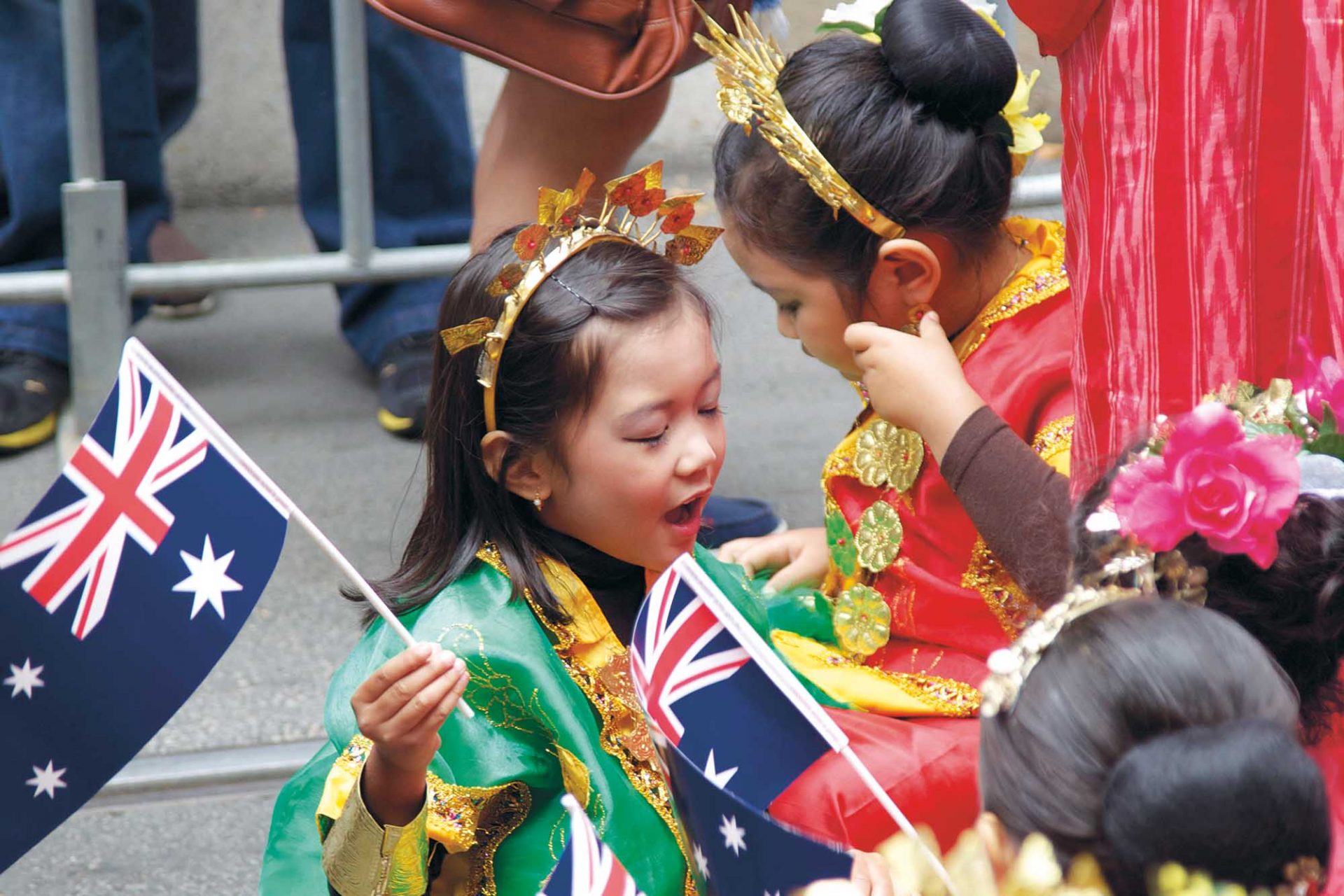
Australia is increasingly embracing the vibrant and diverse cultures of Asia, a trend that experts say will profoundly shape the nation’s social, economic, and creative landscape in the coming decades. From the booming popularity of Korean pop music and Asian cinema to the widespread adoption of Eastern wellness practices and culinary traditions, the next generation of Australians is growing up with a deep exposure to Asian cultural influences. This shift is expected to impact everything from entertainment and fashion to education and international relations.
Analysts point out that younger Australians, particularly Gen Alpha, are consuming Asian media and lifestyle content at unprecedented rates. Korean pop bands and Japanese anime have become household names, while traditional Asian festivals and practices such as Lunar New Year celebrations and mindfulness-based wellness routines are increasingly integrated into Australian urban life. Social media platforms have accelerated this cultural exchange, making it easier than ever for young Australians to access trends, fashion, music, and art originating from Asia.
Food culture has also played a pivotal role in bridging connections between Australia and its Asian neighbors. Asian cuisine, ranging from sushi and ramen to regional street foods, has become mainstream, influencing not only restaurants but also home cooking and culinary education. Experts suggest that this growing appreciation of Asian food culture is fostering broader intercultural understanding and a stronger sense of community across multicultural cities like Sydney, Melbourne, and Brisbane.
The influence extends beyond lifestyle and entertainment into business, education, and diplomacy. Universities are expanding programs in Asian languages, business practices, and cultural studies to prepare students for a globalized workforce. Companies are leveraging insights from Asian markets to innovate and stay competitive internationally. At the governmental level, stronger cultural ties are reinforcing diplomatic relations, trade agreements, and tourism initiatives, highlighting the intersection of culture and economic opportunity.
Cultural commentators believe that this deepening connection with Asia will create a generation of Australians who are more globally aware, adaptable, and open to cross-cultural collaboration. “Asia’s cultural imprint is no longer peripheral; it is becoming central to the identity of Australia’s youth,” says a leading sociologist.
As the influence of Asian culture continues to expand, it promises to shape Australia’s creative industries, lifestyle trends, and international outlook for years to come, positioning the country as a vibrant hub where East meets West in both culture and innovation.