







From Rapper to Prime Minister Contender: Nepal’s Balen Shah Shakes Up Politics
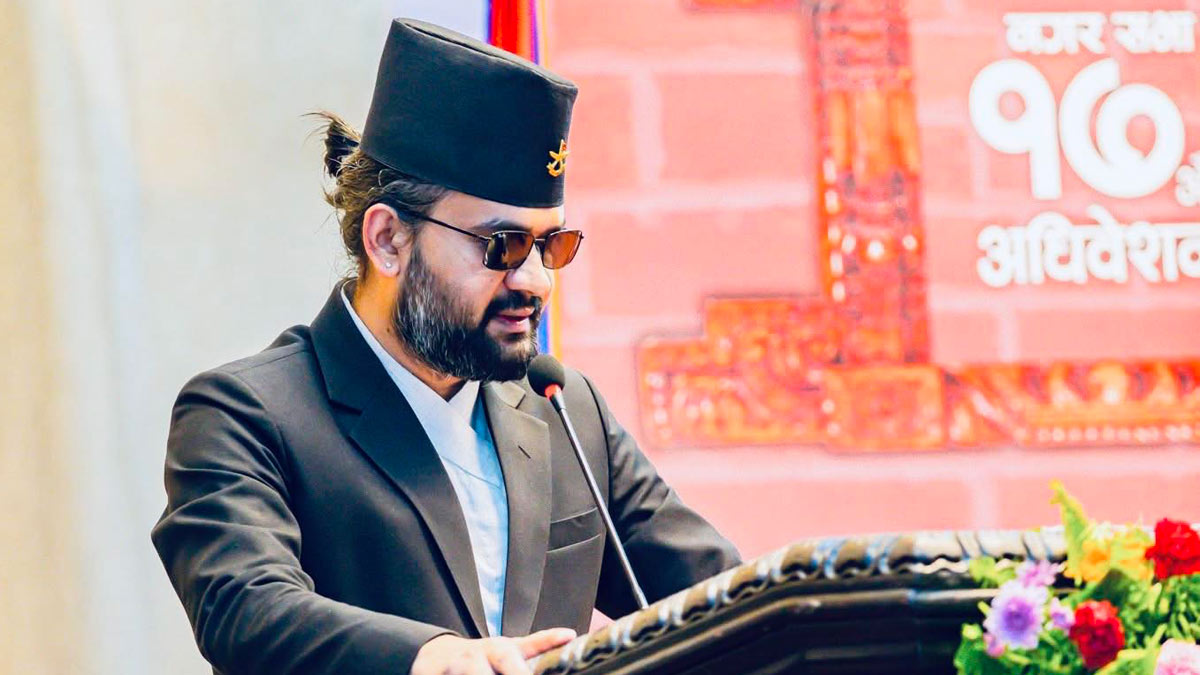
Nepal’s political landscape is undergoing a historic transformation as Balendra “Balen” Shah, the 35-year-old former rapper and ex-mayor of Kathmandu, emerges as a leading contender for the country’s next prime minister. Early election results indicate Shah’s Rastriya Swatantra Party (RSP) is leading in multiple constituencies, signalling a dramatic shift away from Nepal’s traditional political parties and highlighting the growing influence of youth-driven politics.
Shah first captured national attention in 2022 when he won Kathmandu’s mayoral race as an independent candidate. Known for his candid criticism of entrenched political elites, he quickly became a symbol of change, introducing reforms in waste management, urban development, and public accountability. His hands-on approach and outspoken style won him immense popularity among young voters who were increasingly frustrated with stagnant governance and corruption in traditional parties.
Political analysts describe Shah’s rise as a reflection of Nepal’s evolving political culture. The Nepali Congress and the Communist Party of Nepal, long-time power holders, have faced declining trust amid economic stagnation and widespread public dissatisfaction. Shah’s RSP tapped into this discontent, promising practical reforms, job creation, and a more transparent government — pledges that resonated strongly with millennials and Gen Z voters.
The party’s manifesto emphasizes large-scale employment initiatives, improved social services, and stricter measures against corruption. With these policies, Shah has appealed not just to young urban voters, but also to citizens across provinces who feel left behind by decades of traditional political rule. Analysts call the party’s success a “political tsunami,” underlining the scale of public support for a new generation of leadership.
Despite the momentum, Shah faces significant challenges. Transitioning from municipal governance to national leadership will require navigating Nepal’s complex bureaucracy, forging alliances with other parties, and balancing relations with neighboring powers, particularly India and China. Observers note that while charisma and popularity have propelled Shah to the forefront, effective governance at the national level will be the true test of his leadership.
If confirmed as prime minister, Shah would represent an unprecedented shift in Nepalese politics: a former rapper and outsider stepping into the country’s highest office. For many citizens, his rise embodies hope for a more accountable, youthful, and results-oriented government, breaking decades of political inertia.
Balen Shah’s journey from underground music to political prominence reflects the aspirations of a new generation in Nepal — one eager for change, transparency, and leadership that resonates with everyday citizens. His likely ascent could redefine the nation’s political future, proving that in today’s Nepal, fresh voices can challenge the old guard and rise to the top.