





Trump’s Push to End India’s Russian Oil Reliance Undermined by Iran Conflict
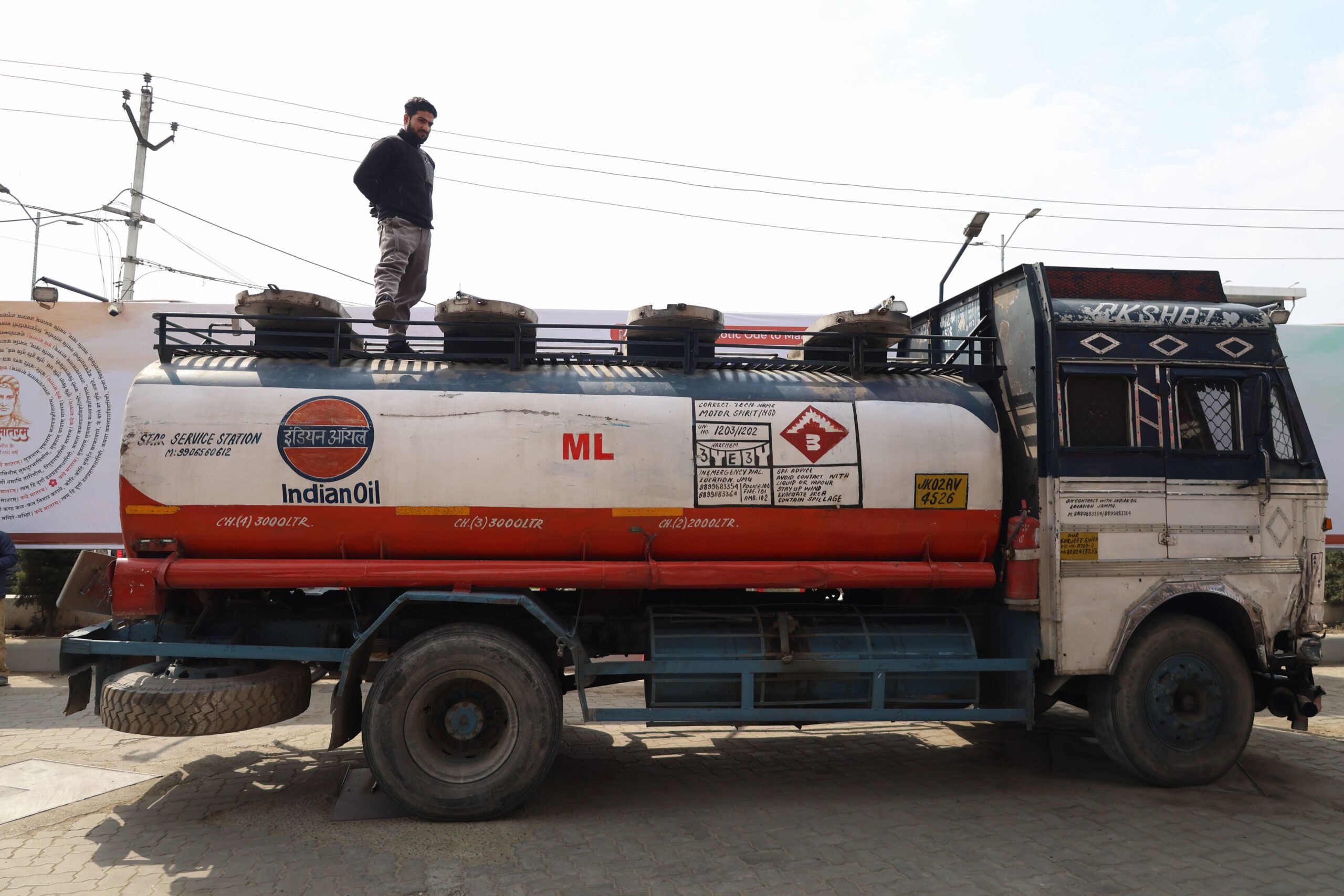
U.S. President Donald Trump’s long-standing efforts to persuade India to reduce its dependence on Russian oil are facing a significant setback as the ongoing war in the Middle East disrupts global energy supplies. Trump’s strategy aimed to weaken Moscow economically while promoting U.S. crude exports, but escalating tensions involving the United States, Israel, and Iran have forced New Delhi to return to buying discounted Russian oil to maintain its energy security.
The conflict around the Strait of Hormuz, a critical chokepoint for global oil shipments, has caused severe disruptions in tanker movements from Gulf countries such as Saudi Arabia, Iraq, and the United Arab Emirates. Threats of missile attacks and military operations in the region have made it increasingly difficult for India to rely on its traditional Middle Eastern suppliers. Analysts say these disruptions have left Russian oil as the most viable alternative for Indian refiners seeking to meet domestic demand, despite political pressures from Washington.
In response to the supply challenges, the U.S. Treasury issued a temporary 30-day waiver allowing Indian refiners to purchase Russian crude already in transit. While officials emphasized that the waiver was meant to stabilize global energy markets, the move effectively undermines Trump’s diplomatic push to cut India off from Russian supplies. Data from shipping and customs reports indicate that Indian imports of Russian crude have surged since the waiver, highlighting the immediate impact of Middle East instability on energy trade patterns.
Trump’s broader objective was to isolate Russia economically and bolster U.S. influence in the global energy market. However, the Middle East crisis has exposed the fragility of these plans. India, prioritizing affordable and reliable energy, has chosen pragmatism over political alignment, demonstrating how geopolitical strategies can be disrupted by unforeseen conflicts.
The situation underscores the complex intersection of energy security, international diplomacy, and economic strategy. While the U.S. administration continues to advocate for reduced Russian oil imports, India must balance global diplomatic expectations with domestic energy needs. Experts suggest that if the Iran conflict persists and Gulf oil supplies remain uncertain, India may continue to rely on Russian crude, complicating U.S. efforts to enforce broader sanctions against Moscow.
As tensions continue in the Middle East, the unfolding energy crisis illustrates how global conflicts can have far-reaching consequences on international trade and strategic policy, leaving policymakers in Washington facing the difficult challenge of aligning geopolitical ambitions with the realities of global energy dependence.