








Australia Faces Political Shake-Up and Northern Cyclone Threat
Australia is experiencing a day of significant developments as a major reshuffle in the federal opposition’s shadow cabinet coincides with severe weather warnings for northern regions. These events highlight both political realignment within the National Party and the ongoing challenges posed by tropical weather systems in northern and central Australia.
In Canberra, Matt Canavan, the new leader of the National Party, unveiled a reshaped shadow cabinet following internal leadership changes. Veteran politician Michael McCormack returned to a frontbench role, taking responsibility for portfolios covering water and veterans’ affairs. Several other MPs, including David Littleproud, were removed from senior positions as the party seeks to refocus its priorities on regional development, agriculture, and infrastructure projects critical for rural communities. Canavan said the reshuffle aims to unify the party ahead of future national debates, strengthen representation of rural voters, and position the Coalition opposition to respond effectively to government policies. Analysts note that the changes reflect a strategic move to consolidate leadership, promote loyalty, and increase visibility of key portfolios in preparation for upcoming political challenges.
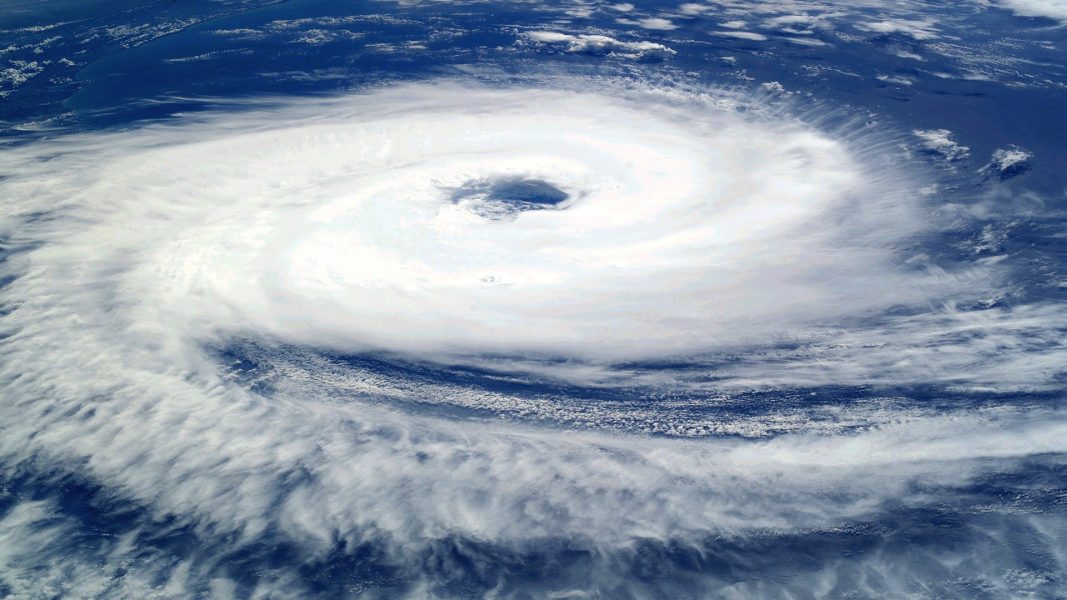
While political developments dominate Canberra, residents in northern Australia are being urged to prepare for potentially severe weather. The Bureau of Meteorology has identified Tropical Low 34U in the Coral Sea as a system with a high chance of intensifying into a cyclone later this week. Forecasts indicate a 60 percent likelihood that the low will strengthen as it approaches the coast near Cooktown and possibly move into the Gulf of Carpentaria. Heavy rainfall of 150 to 200 millimeters is expected in Queensland regions such as Innisfail, Cairns, and Cooktown, with strong winds and dangerous marine conditions anticipated if the system develops further. Emergency services are advising residents to secure property, monitor weather updates, and prepare for potential evacuations in low-lying areas prone to flooding.
Central Australia is also experiencing unusual rainfall, with more than 100 millimeters recorded near Uluru, heightening the risk of flash floods in regions already affected by elevated river levels. Authorities are coordinating resources, communicating warnings, and supporting communities in both the north and central regions to minimize disruption.
These developments underline a challenging day for Australia, balancing political change with pressing environmental threats. As the opposition navigates internal restructuring, communities face the immediate realities of severe weather, reminding citizens and leaders alike of the complex demands on governance and public safety. Both the political and meteorological situations are expected to evolve rapidly in the coming days, keeping Australians closely engaged with national news and emergency advisories.