









Utah Bereavement Author Convicted of Murdering Husband with Fentanyl
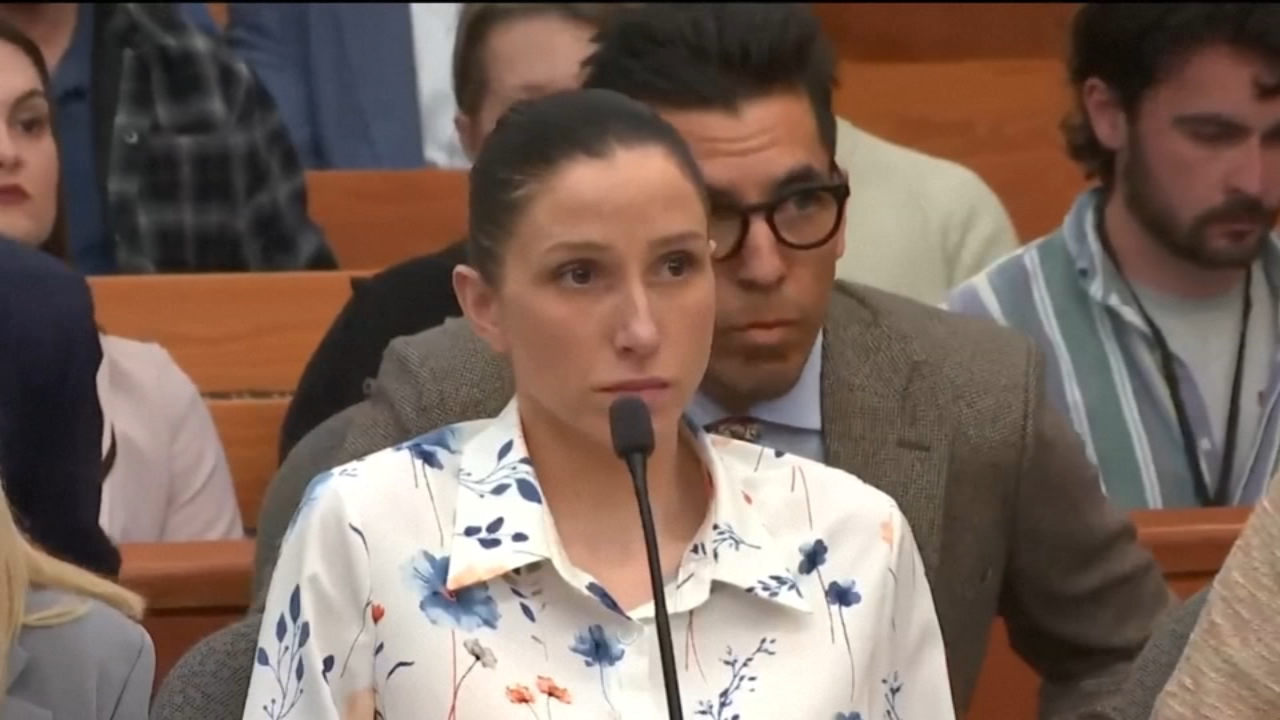
A Utah mother, author of a children’s book on coping with grief, has been convicted of aggravated murder for fatally poisoning her husband with a lethal dose of fentanyl. Kouri Richins, 35, faces decades behind bars after a jury found her guilty of deliberately administering the powerful opioid to her husband, 39‑year‑old Eric Richins, in March 2022. The shocking case has drawn national attention for its combination of betrayal, financial motives, and the dark contrast between her grief-focused book and the crime she committed.
According to court documents, Eric Richins died after ingesting a drink laced with approximately five times the lethal dose of fentanyl. Prosecutors presented evidence that Richins had accumulated millions of dollars in debt and stood to gain financially from her husband’s estate, valued at more than $4 million. Witnesses testified that she had previously attempted to poison him, including a Valentine’s Day incident earlier in 2022 that left him ill but alive.
Investigators also cited internet searches and text messages demonstrating her knowledge of lethal drug combinations, including references to substances linked to the death of pop star Michael Jackson. These findings, combined with evidence of an extramarital relationship and financial manipulation, were central to the prosecution’s case, highlighting premeditation and intent.
Richins was also convicted of related felony charges, including attempted murder for the earlier poisoning, insurance fraud, and forgery. The defense argued that Eric Richins had a history of prescription painkiller use, but authorities presented medical and forensic evidence contradicting this claim.
The trial attracted national attention due in part to the grief book Richins had published shortly after her husband’s death. While she claimed it was meant to help children and families cope with loss, prosecutors argued it served to obscure her criminal intent and manipulate public perception.
Sentencing is scheduled for May 13, 2026, with aggravated murder carrying a potential sentence of 25 years to life in prison. The case has highlighted not only the dangers of fentanyl abuse but also the complex interplay of financial pressure, deceit, and domestic crime.