







Trump Abandons Call for Allied Support in Iran War, Slams Partners
U.S. President Donald Trump has stepped back from efforts to secure international support for the ongoing conflict with Iran, declaring that the United States “does not need” allied assistance after key partners declined to join his proposed coalition. Trump had previously appealed to NATO members and other nations to provide military support, especially for securing the Strait of Hormuz, a crucial route for global oil shipments, but most countries refused to commit troops or naval forces.
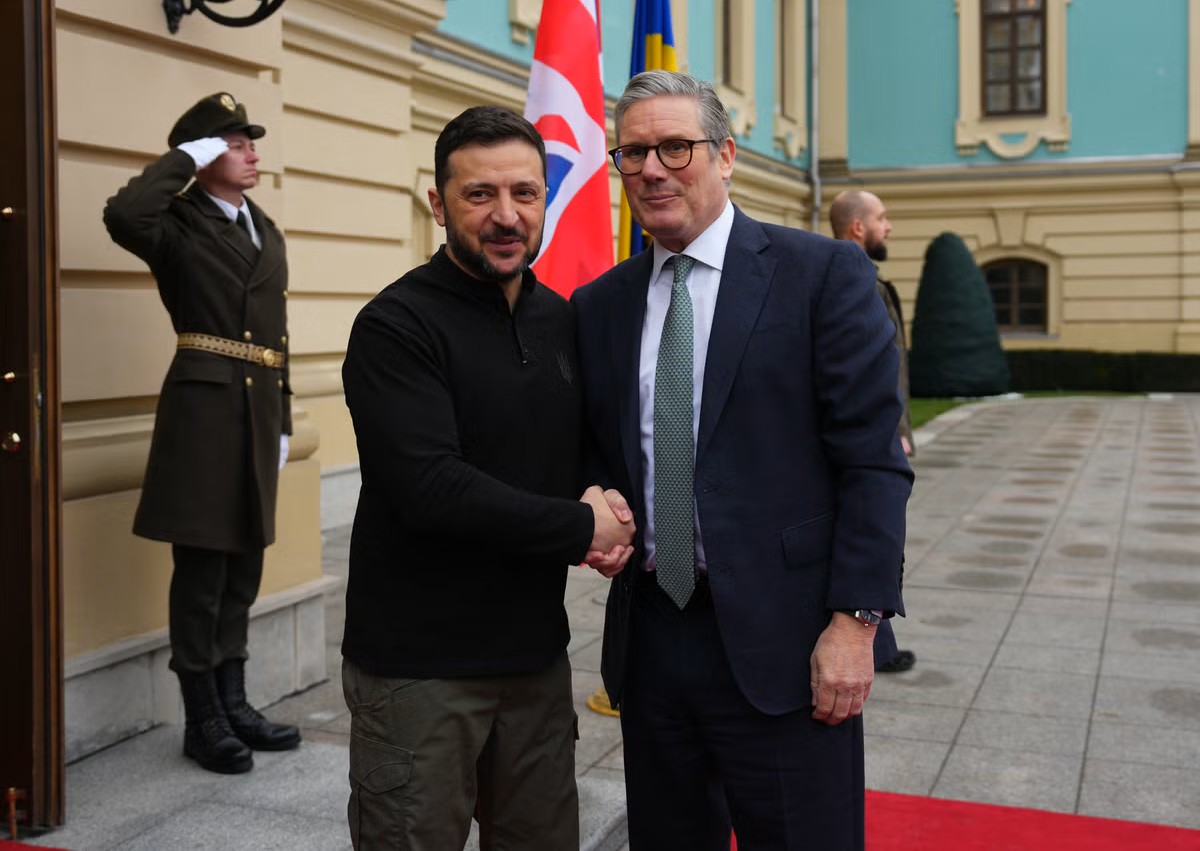
The president’s shift comes after a series of public and private discussions with allies, who expressed reluctance to become directly involved in a conflict they see as outside their national security priorities. European nations, including Germany and France, emphasized diplomatic solutions and defensive measures over offensive military engagement, while countries in the Indo-Pacific region, such as Japan and Australia, cited domestic laws and public opinion against participating in combat operations.
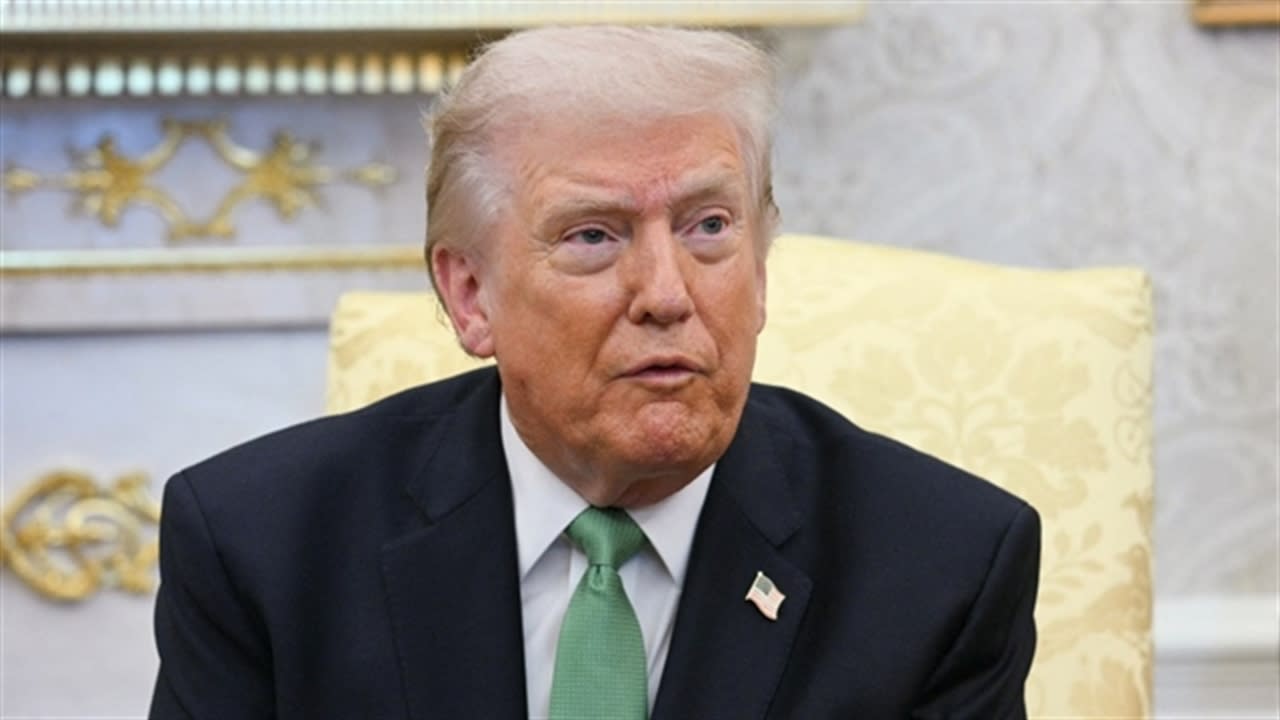
Following these rebuffs, Trump criticized his partners for what he called “unequal burden-sharing,” questioning the commitment of NATO allies and warning that the alliance’s future could be affected if members continue to withhold support. “We don’t need anybody,” Trump said in a recent address, highlighting what he described as U.S. successes on the ground and underscoring his readiness to proceed independently.
The refusal of allies to join the coalition underscores ongoing divisions within the international community over the U.S.-led approach to the Iran conflict. While Washington maintains that securing maritime routes is vital to global trade and energy security, partner nations remain wary of being drawn into a broader war with Iran without clear objectives or international consensus. Analysts suggest that Trump’s public criticism of allies may further strain long-standing relationships, already tested by disagreements over defense spending and strategic priorities.
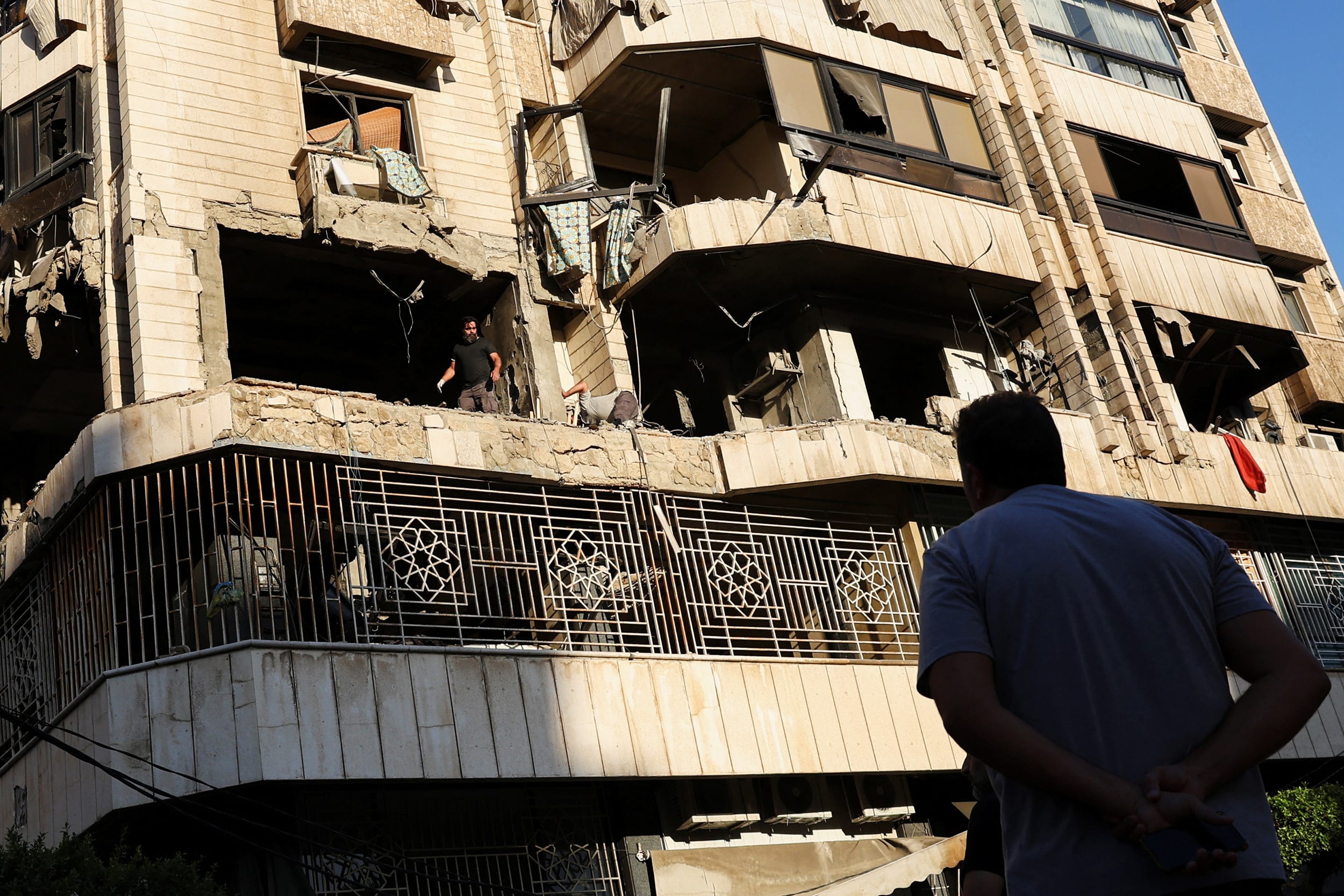
Meanwhile, the conflict in the Middle East continues to escalate, with U.S. and allied strikes on Iranian targets met with retaliatory actions. The uncertainty surrounding the Strait of Hormuz has contributed to global market volatility and rising oil prices, fueling concerns over the economic impact of the conflict.
Trump’s decision to abandon multilateral appeals leaves the United States largely alone in executing its military strategy in the region, raising questions about the diplomatic and strategic consequences of a unilateral approach in one of the most sensitive geopolitical hotspots in the world.