






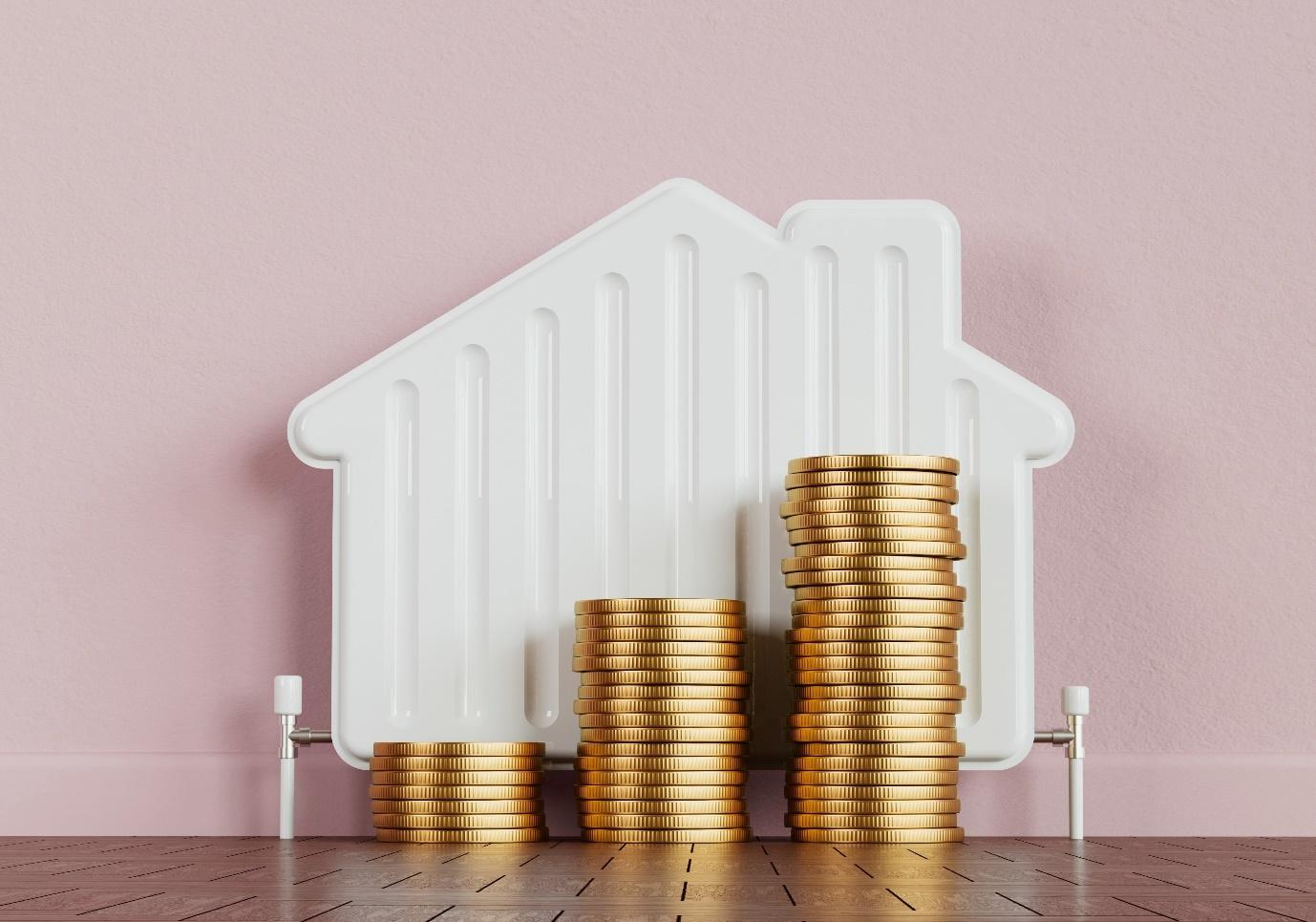
Rising Energy Costs Push UK Government to Consider Social Tariff for Vulnerable Households
The UK government is facing renewed pressure to introduce a social energy tariff aimed at protecting vulnerable households from rapidly rising energy costs. With international conflicts and global market volatility driving gas and electricity prices upward, experts and advocacy groups argue that a targeted discounted energy scheme could prevent millions of low-income families from falling into fuel poverty.
Campaigners say that while existing measures, such as the energy price cap and one-off subsidies, have offered some relief, they are insufficient for the most affected households. They advocate for a permanent social tariff that would provide lower per-unit energy charges to pensioners, low-income families, and those receiving means-tested benefits. Such a system would offer predictable support and help shield consumers from future price spikes, which temporary relief measures cannot guarantee.
Rising energy bills are affecting households across the UK, with some families reporting difficult choices between heating their homes and covering other essential costs. Debt charities have warned that unpaid bills are increasing, reflecting broader cost-of-living pressures that continue to strain household budgets. Analysts suggest that a social tariff could stabilize energy costs for the most vulnerable while allowing the government to maintain broader market efficiency for other consumers.
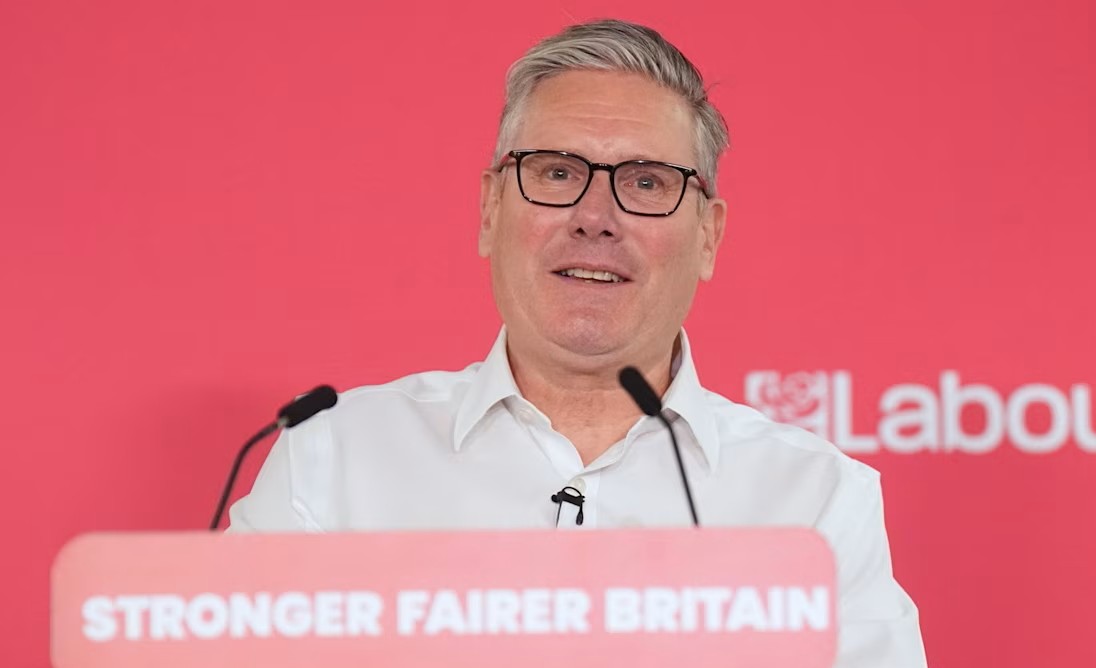
Opposition parties and consumer rights organizations have echoed calls for targeted support. They argue that a well-designed social tariff could act as a safety net, ensuring fairness in energy pricing while avoiding blanket subsidies that may disproportionately benefit higher-income households. Discussions are ongoing about how eligibility would be determined and how to integrate the scheme with existing government support mechanisms.
Government officials have acknowledged these concerns and stated that a range of options is being reviewed to protect vulnerable consumers. Ministers emphasize that any new measures will aim to balance affordability with long-term sustainability of the energy sector. While no formal timetable has been announced, officials indicate that proposals will be considered ahead of the next winter season, when household energy demand is expected to rise further.
Advocates argue that the creation of a social tariff could have significant social and economic benefits. By reducing the financial strain on the most vulnerable, the UK could prevent deeper levels of fuel poverty, improve public health outcomes, and reduce the need for emergency support programs. As energy prices continue to fluctuate, the government’s response will be closely watched by households, policymakers, and industry stakeholders alike.