



Middle East Conflict Sends Global Markets Into Panic as Oil Surges
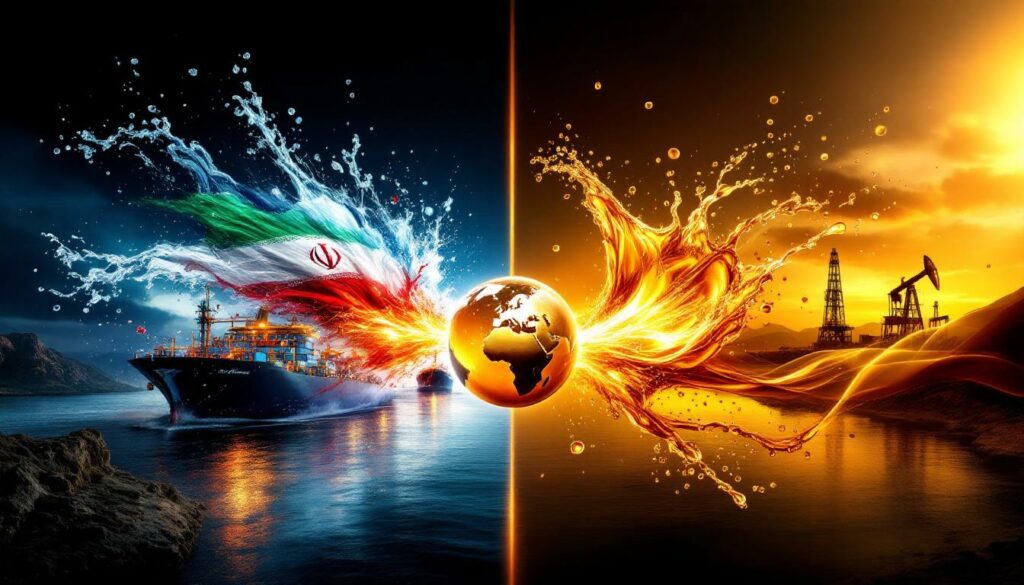
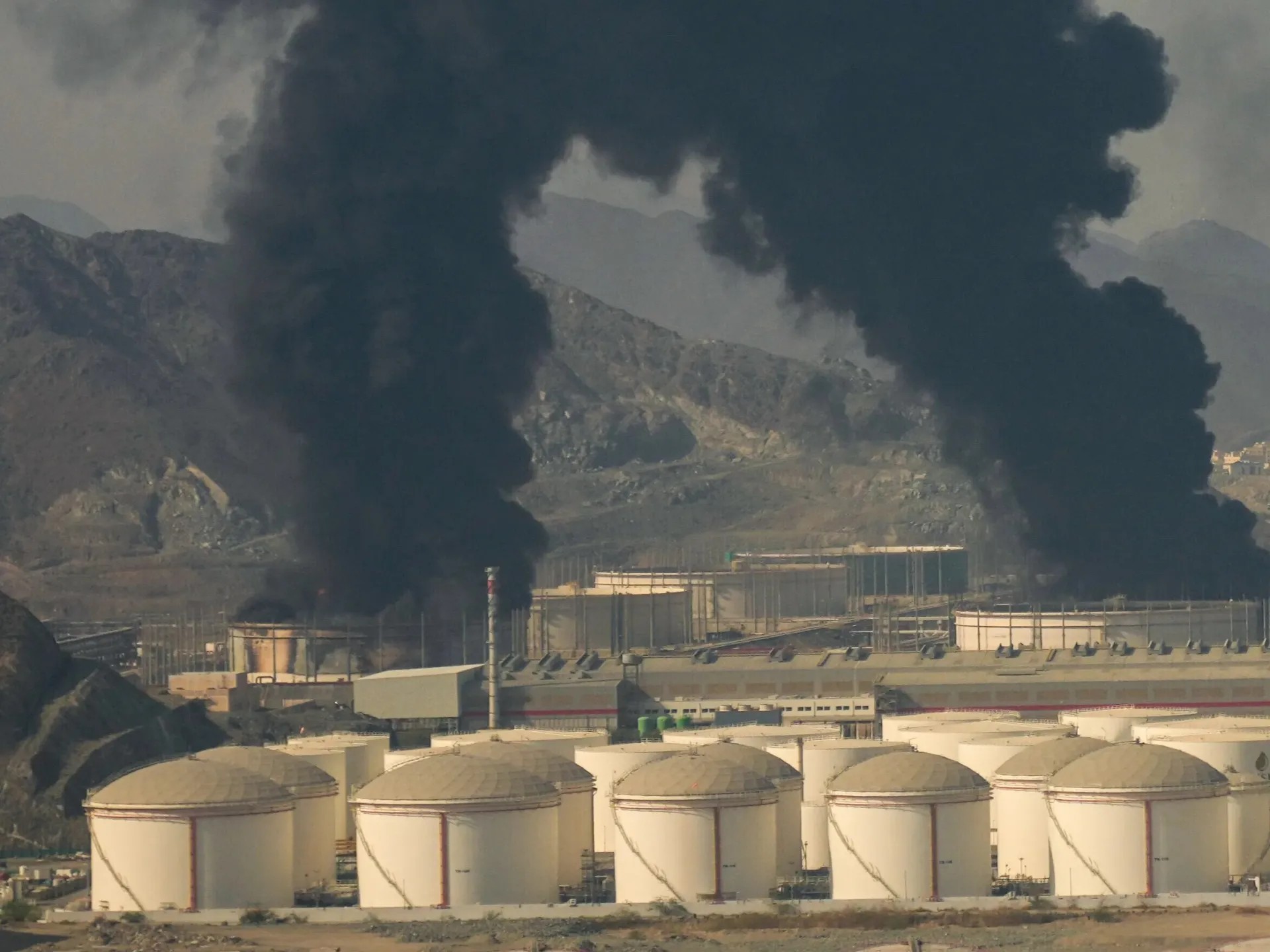
Global financial markets are in turmoil as escalating conflict in the Middle East threatens to destabilize the world economy. Recent attacks on energy infrastructure across Iran, Saudi Arabia, the United Arab Emirates, and Qatar have raised fears of severe supply disruptions, causing crude oil prices to spike and major stock indexes to tumble. Investors around the world are seeking safe-haven assets as uncertainty grips markets.
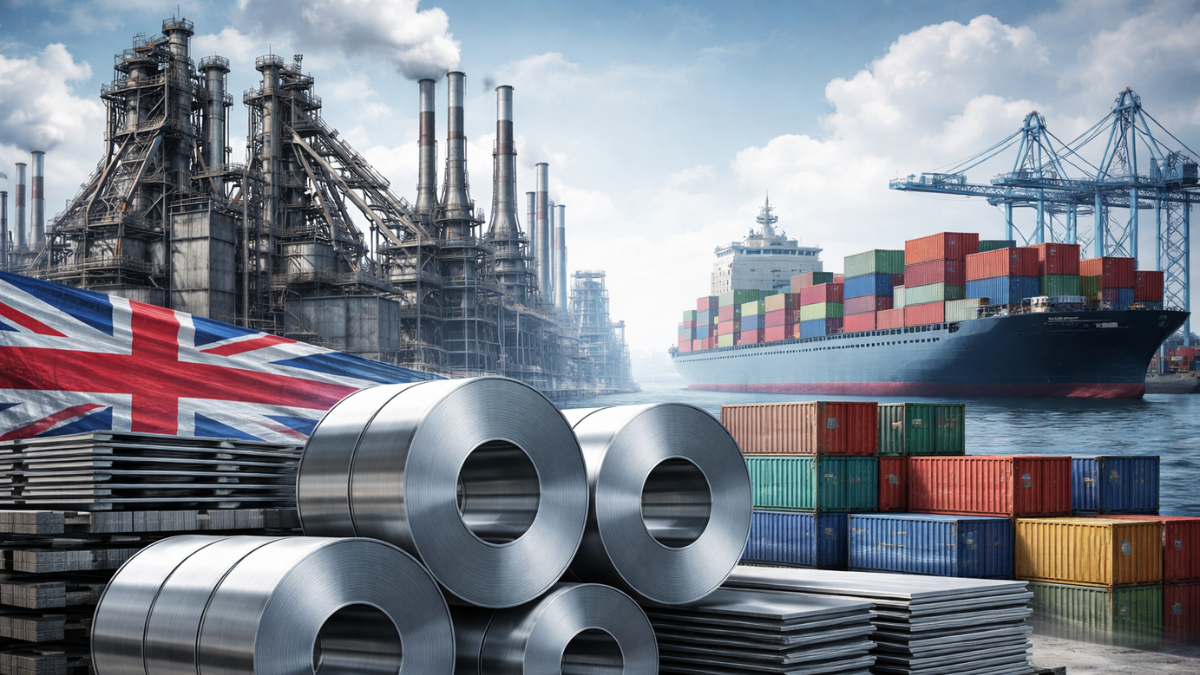
Brent crude oil briefly surged above $112 per barrel, while U.S. West Texas Intermediate crude also saw significant gains. Analysts warn that continued instability could push energy prices even higher, feeding inflation and pressuring industries that rely heavily on oil, from transportation to manufacturing. This sudden surge in oil prices has added stress to global supply chains already struggling with post-pandemic recovery challenges.
Equity markets responded sharply. Stock indexes in the United States, Europe, and Asia declined as investors reassessed risk. Bond yields fluctuated, and safe-haven assets such as gold and government securities saw increased demand. Central banks in multiple countries, including Canada and Switzerland, have issued cautionary statements about the economic implications of the conflict, emphasizing the risk of heightened inflationary pressures alongside slower growth prospects.
Beyond the markets, geopolitical concerns are escalating. The Strait of Hormuz, a critical passage for roughly 20 percent of the world’s oil trade, is under close monitoring as nations consider measures to protect shipping routes. Governments are also exploring strategic releases of oil reserves to moderate price spikes, while diplomatic channels urge restraint and dialogue amid ongoing military operations.
Economists warn that prolonged disruptions could slow global economic growth, pushing some economies toward recession. High energy costs may dampen consumer confidence, increase production expenses, and disrupt international trade. The combination of political instability and economic pressure creates a fragile environment in which policy decisions by governments and central banks will have far-reaching consequences.
As the situation continues to evolve, investors, policymakers, and businesses are closely watching every development in the Middle East. The conflict underscores the interconnectedness of global markets and the delicate balance between geopolitical risks and economic stability, highlighting the urgent need for strategic coordination and timely interventions to prevent further fallout.