








“Oil Prices Skyrocket Amid Middle East Tensions: What’s Driving the Surge?”
Oil prices around the world have surged dramatically in recent weeks, leaving markets, businesses, and consumers concerned about the stability of global energy supplies. The spike is being driven primarily by geopolitical tensions in the Middle East and fears of major supply disruptions, rather than a sudden surge in demand.
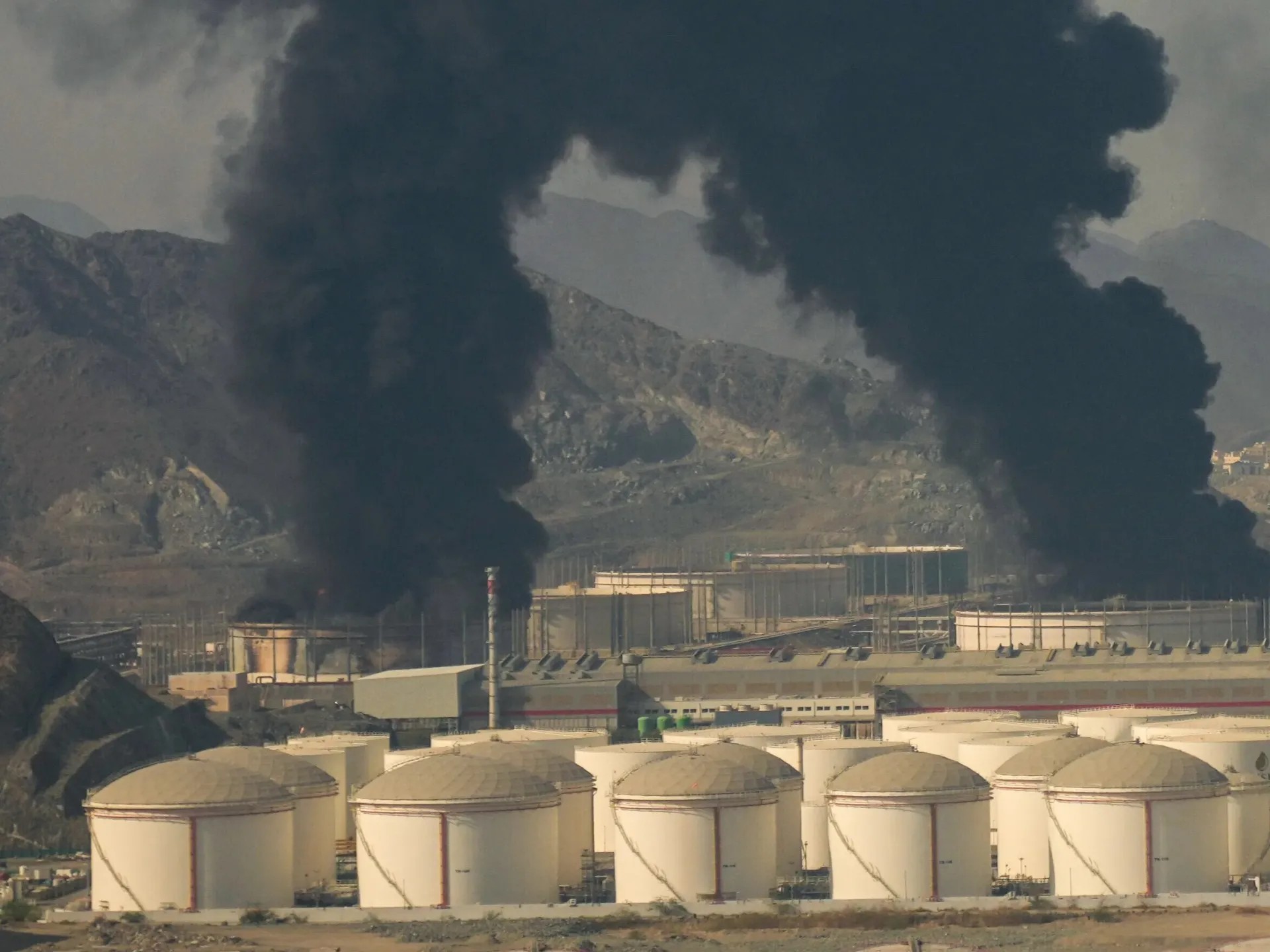
The crisis intensified after attacks on critical energy infrastructure in Iran, including the South Pars gas field, one of the largest gas reserves in the world. These strikes, coupled with rising regional tensions, have raised fears that crude oil and natural gas exports from the area could be severely limited. Analysts warn that even temporary disruptions can ripple through the global market, sending prices sharply higher.
Another key factor is the Strait of Hormuz, a narrow waterway through which roughly 20% of the world’s oil passes. Recent security threats and restricted shipping activity in the strait have added to global supply concerns, pushing benchmark prices like Brent crude above $110 per barrel. The U.S. West Texas Intermediate (WTI) has also climbed in response, signaling heightened volatility in energy markets.
The impact is being felt far beyond financial markets. Countries heavily reliant on imported energy are seeing higher import bills, while consumers are experiencing increased fuel prices at the pump. Rising energy costs are also feeding into broader inflation, affecting transportation, manufacturing, and everyday goods worldwide. Economists warn that if the high oil prices persist, they could slow economic growth and increase financial stress for households and businesses alike.
Investors have responded by moving capital into energy stocks and funds, anticipating continued volatility. Governments are closely monitoring the situation, trying to stabilize supply chains and ease the impact on consumers, but with tensions still unresolved, uncertainty remains high.
In short, the recent surge in oil prices reflects a mix of geopolitical risk and supply fears, rather than changes in demand. Until tensions in the Middle East ease or new supply solutions emerge, markets are likely to remain volatile, keeping energy prices elevated and global economies on alert.