




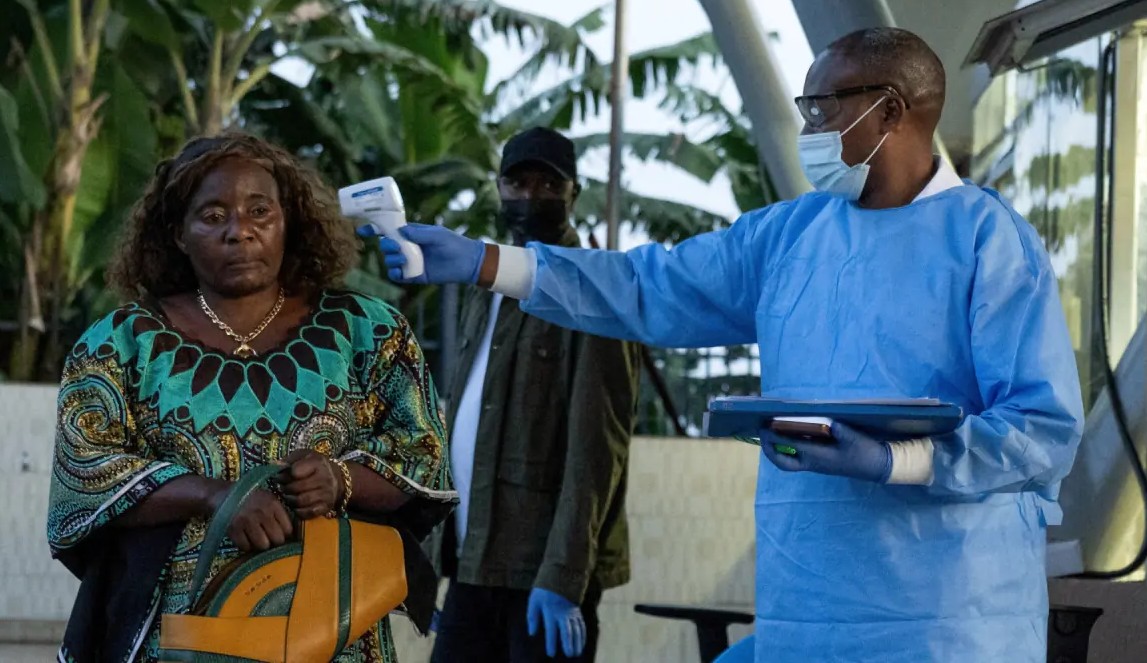





Africa Declares Continental Health Emergency as Ebola Outbreak Spreads Across Congo and Uganda
The Africa Centres for Disease Control and Prevention has officially declared the growing Ebola outbreak in Democratic Republic of the Congo and Uganda a continental public health emergency, raising serious concerns among health officials and governments across Africa. The declaration comes as the number of infections continues to rise, increasing fears that the deadly virus could spread further across borders if immediate action is not taken.
According to health authorities, the outbreak has already affected multiple regions in both countries, with several confirmed deaths and hundreds of suspected cases under investigation. Medical teams on the ground are working urgently to isolate infected patients, trace contacts, and strengthen emergency healthcare systems in affected communities. Officials say healthcare workers remain at high risk because of direct exposure to infected individuals during treatment and emergency response operations.
The Ebola virus is one of the world’s deadliest infectious diseases, known for causing severe fever, internal bleeding, vomiting, and organ failure. Experts warn that outbreaks can spread rapidly in areas with weak healthcare infrastructure, poor sanitation, and limited access to medical supplies. Public health agencies fear that crowded border crossings and regional travel may increase the possibility of wider transmission across neighboring African nations.
The Africa CDC stated that the emergency declaration is intended to improve coordination between governments, international organizations, and health agencies. Emergency response teams are being deployed to affected regions, while additional medical supplies, protective equipment, and testing facilities are being sent to hospitals and treatment centers. International health organizations, including the World Health Organization, are also supporting efforts to contain the outbreak before it develops into a larger humanitarian crisis.
Health experts believe early detection and rapid isolation remain the most effective ways to control the virus. Authorities are urging the public to avoid physical contact with infected individuals and to immediately report symptoms such as high fever, weakness, vomiting, or unexplained bleeding. Public awareness campaigns have also been launched in several regions to educate communities about prevention and safety measures.
The latest outbreak has once again highlighted the vulnerability of African healthcare systems to dangerous infectious diseases. Many experts warn that years of conflict, poverty, and underfunded medical infrastructure could make containment efforts more difficult. At the same time, social media misinformation and public fear are creating additional challenges for health workers trying to manage the crisis.
As governments continue emergency response operations, the international community is closely monitoring the situation. Officials stress that strong cooperation, fast medical intervention, and public awareness will be critical in preventing the Ebola outbreak from becoming a larger continental disaster.