









Climate-Driven Flooding Hits Davao City as Over 1,400 Residents Affected Amid ITCZ and Easterlies
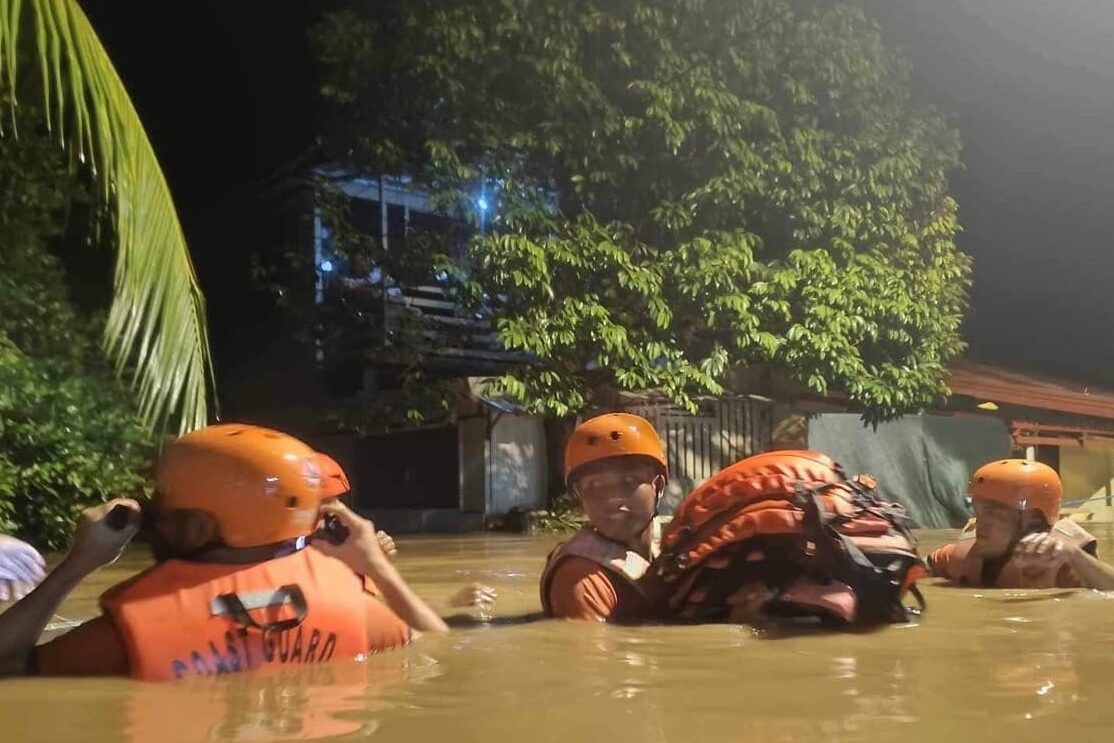
Heavy rains linked to active climate systems have triggered widespread flooding across several barangays in Davao City on the evening of May 18, 2026, affecting at least 1,469 individuals, according to disaster response officials. The flooding was driven by the combined effects of the Intertropical Convergence Zone (ITCZ) and easterlies, which brought moderate to heavy rainfall across the region.
The Office of Civil Defense (OCD 11) has taken the lead in coordinating a multi-agency emergency response, working alongside local government units, rescue teams, and humanitarian groups to assist affected communities. Emergency crews were deployed to evacuate residents from low-lying and flood-prone areas as water levels rapidly rose in several neighborhoods.
Authorities reported that continuous rainfall overwhelmed drainage systems in parts of the city, leading to flash flooding in residential zones and disrupting daily activities. Some families were temporarily displaced and moved to evacuation centers where relief goods, food supplies, and medical assistance were provided.
Disaster officials stated that while no major casualties have been confirmed so far, assessment teams are still conducting ground operations to determine the full extent of damage to homes and infrastructure. Roads in several barangays were reported to be impassable at the height of the flooding, slowing down rescue and relief efforts.
Meteorological experts explained that the ITCZ, a climate system where trade winds converge, often brings prolonged rainfall in tropical regions. Combined with easterly winds, it can intensify precipitation, increasing the risk of flooding in vulnerable areas. Climate specialists also note that such extreme weather events are becoming more frequent, highlighting growing concerns over climate variability and urban flood management.
Local authorities have urged residents to remain alert as weather conditions may continue to fluctuate in the coming days. Continuous monitoring is underway, and additional emergency resources have been placed on standby in case of further flooding.
As recovery efforts continue, officials emphasize the importance of long-term climate adaptation measures, including improved drainage systems, better urban planning, and stronger disaster preparedness to reduce the impact of future climate-related events in the region.