









China to Launch Record One-Year Space Mission with Shenzhou-23 Crew
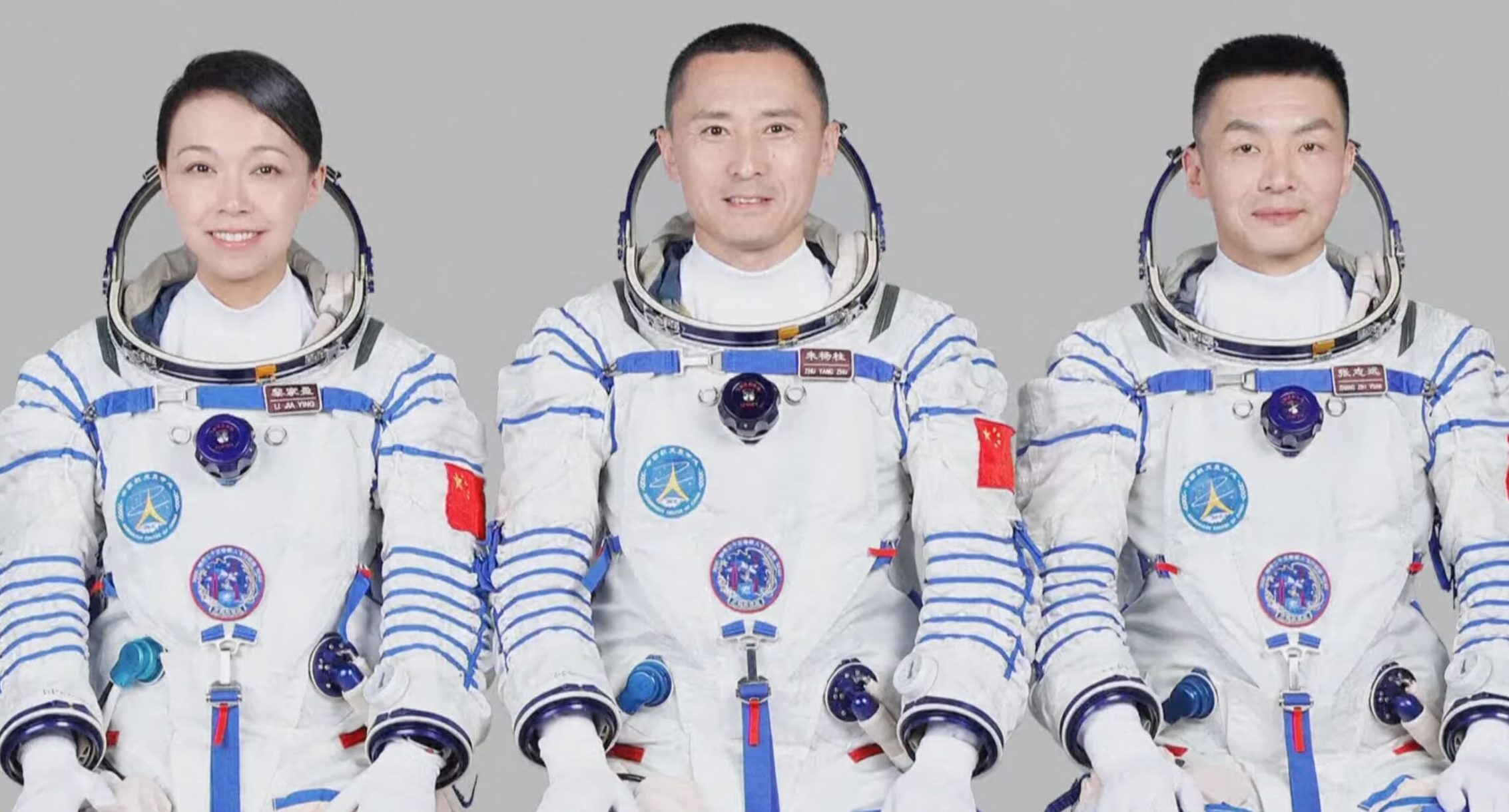
China is preparing for one of the most ambitious missions in its space program history as the upcoming Shenzhou-23 mission is expected to send three astronauts on a record-breaking one-year stay in space. The mission marks another major step in Beijing’s rapidly expanding efforts to establish itself as a global space superpower.
According to Chinese space officials, the Shenzhou-23 spacecraft will carry a three-member crew to China’s Tiangong Space Station, where the astronauts will conduct scientific experiments, technology tests, and long-duration human spaceflight research. If completed successfully, the mission would become China’s longest crewed stay in orbit.
The extended mission is seen as crucial for China’s future plans for deep-space exploration, including potential lunar missions and eventual crewed journeys to Mars. Scientists will closely monitor the physical and psychological effects of living in space for an entire year, gathering valuable data on human endurance in extreme conditions.
China’s space agency has not yet officially revealed the names of the astronauts selected for the mission, but officials confirmed the crew is undergoing intensive training ahead of launch. The astronauts are expected to carry out maintenance work aboard the Tiangong station while also performing experiments in medicine, biology, and space technology.
Over the past decade, China has rapidly expanded its space capabilities. The Tiangong space station, fully assembled in orbit in recent years, has become the centerpiece of the country’s independent human spaceflight program. Unlike the International Space Station, which involves cooperation between several nations, Tiangong is operated entirely by China.
The Shenzhou-23 mission also highlights the growing competition in global space exploration. While the United States continues missions through NASA and private companies such as SpaceX, China is steadily increasing its technological capabilities and long-term ambitions in orbit.
Experts believe the one-year mission could significantly strengthen China’s position in the new space race. Success would demonstrate not only technological progress but also China’s ability to sustain long-duration human operations beyond Earth.
As countdown preparations continue, the mission is being closely watched by scientists and governments around the world. For China, Shenzhou-23 represents more than another launch — it is a symbol of national ambition, scientific advancement, and the country’s determination to become a dominant force in space exploration.