







How Arsenal Can Win the Champions League Final: Tactical Keys Against Paris Saint-Germain
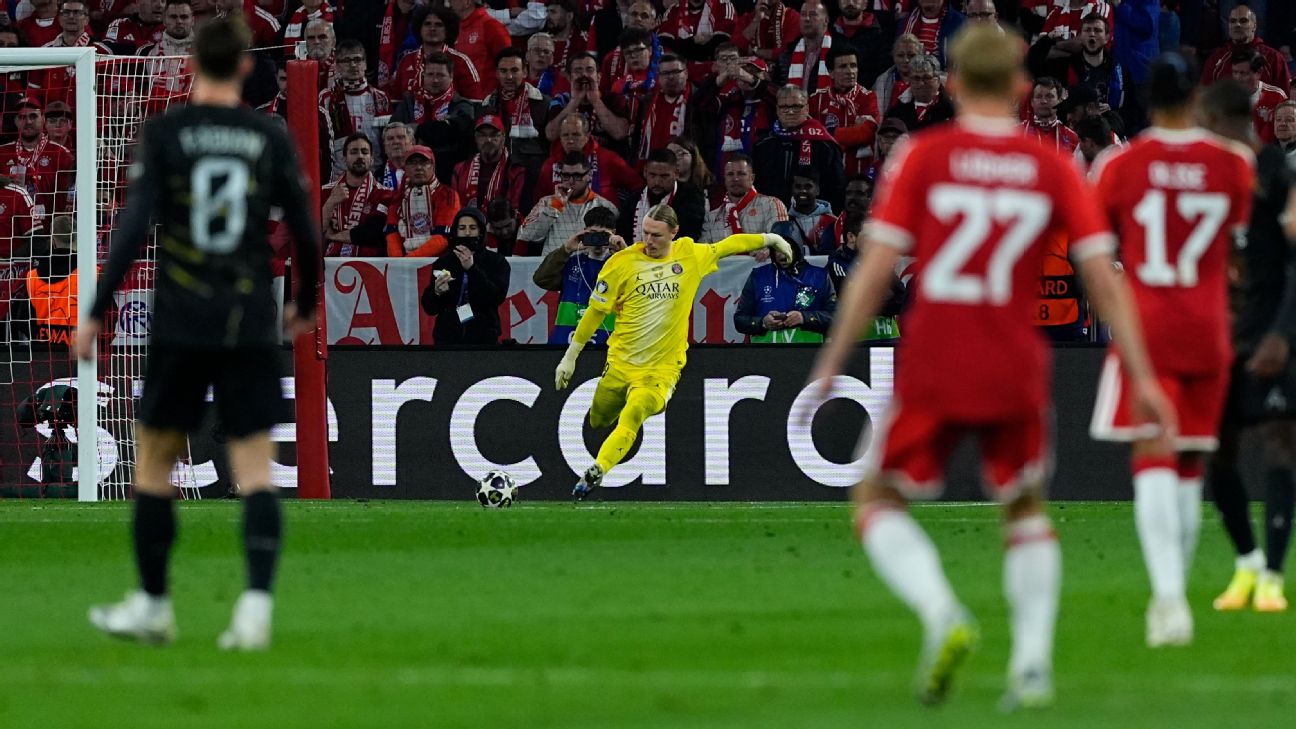
Arsenal face a defining night in their modern history as they prepare to take on Paris Saint-Germain in the Champions League final. Against a team built on elite attacking talent and rapid transitions, Mikel Arteta’s side will need more than ambition—they will need precision, discipline, and tactical control across all phases of the game.
One of Arsenal’s most important challenges will be managing PSG’s transition threat. Paris are at their most dangerous when they win the ball and break forward quickly, often using the pace and directness of their front line to punish disorganised defences. For Arsenal, the key will be controlling rest defence—the structure left behind when they attack. Full-backs are likely to play a more restrained role, with at least one holding deeper positions to prevent counterattacks from becoming one-on-one situations.
In midfield, Arsenal’s ability to control tempo will be crucial. Declan Rice’s positioning will likely be central to this plan, with his role focused on breaking up PSG’s counters and protecting space in front of the defence. Alongside him, Arsenal will need technical security to maintain possession under pressure, ensuring they are not drawn into a chaotic end-to-end match that favours PSG’s explosiveness.
Out of possession, Arsenal are expected to press selectively rather than aggressively. PSG’s attackers are highly skilled at playing through pressure, meaning Arsenal’s press must be coordinated and trigger-based rather than constant. The aim will be to force PSG wide, limiting central penetration and reducing the frequency of direct attacks through the middle.
A key attacking strategy for Arsenal will be exploiting PSG’s defensive transitions. While PSG are strong going forward, they can be vulnerable when their full-backs push high and space opens behind them. Arsenal’s wide players will be crucial here, stretching the pitch and creating channels for quick forward passes into advanced areas. Quick switches of play could be especially effective in destabilising PSG’s defensive shape.
Set pieces may also play a decisive role. Arsenal have developed into one of the Premier League’s most dangerous teams from dead-ball situations, and in a final where open-play chances may be limited, corners and free kicks could become critical scoring opportunities. Precision delivery and aggressive movement in the box will be key weapons.
Psychologically, Arsenal must also manage the intensity of the occasion. PSG bring vast Champions League experience and individual brilliance, meaning Arsenal’s composure in key moments will be just as important as tactical execution. Avoiding early setbacks and maintaining structure under pressure could determine whether they can impose their game plan.
Ultimately, Arsenal’s path to Champions League glory will depend on balance—between control and aggression, structure and creativity. If they can neutralise PSG’s transitions while maximising their own attacking structure and set-piece threat, they will give themselves a genuine chance to lift the trophy on one of football’s biggest nights.