







World Leaders Gather at G7 Summit as Trump Pushes for Ukraine Peace and Global Stability
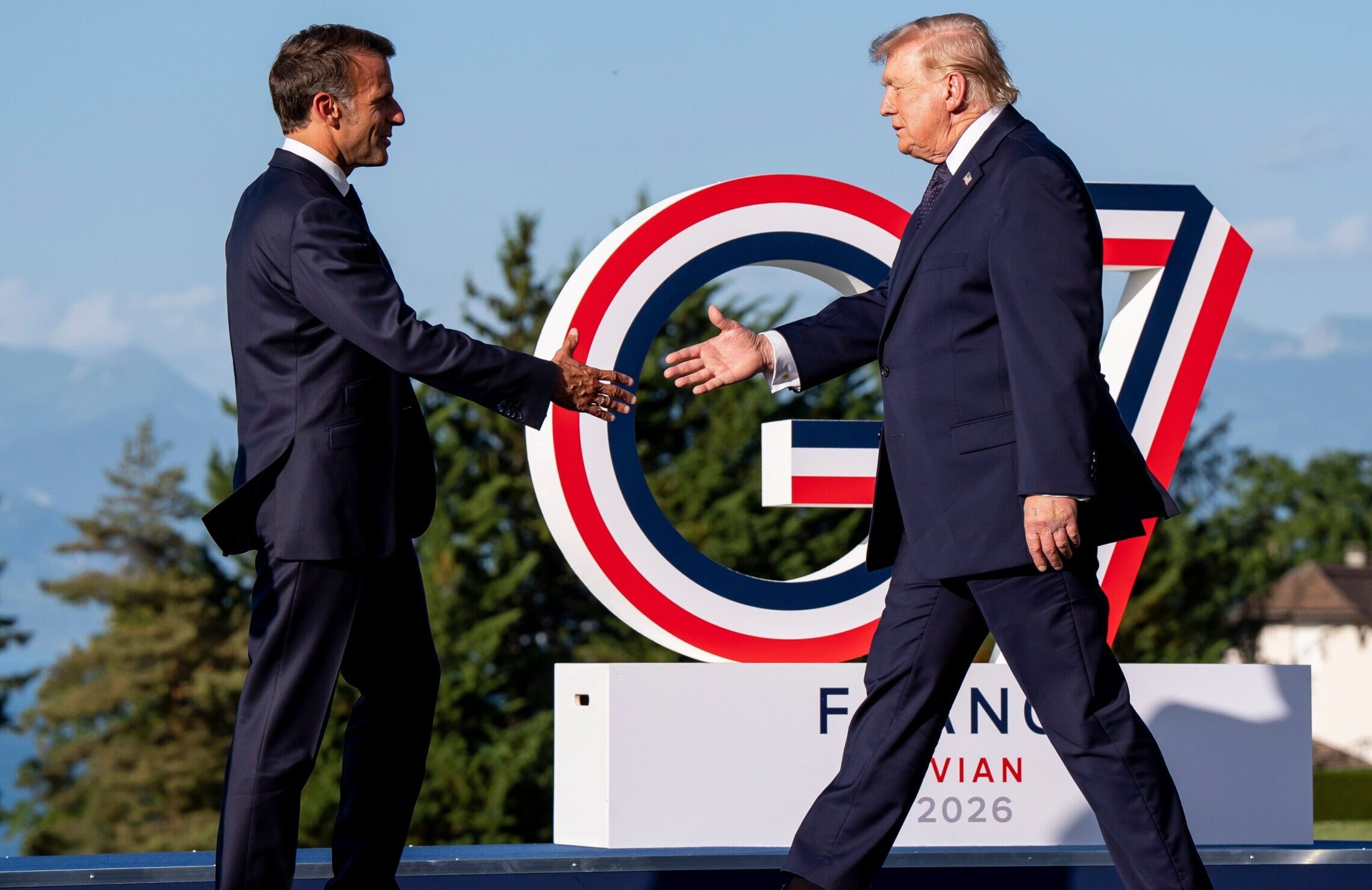
The world’s most influential leaders gathered at the G7 Summit in France this week, facing some of the most significant geopolitical challenges of the decade. With ongoing conflict in Ukraine, rising concerns over global security, and a newly announced agreement involving Iran, the summit has emerged as a critical test of international leadership and diplomacy.
At the center of discussions is U.S. President Donald Trump, who arrived at the summit following the announcement of a preliminary agreement aimed at easing tensions with Iran. The development has shifted global attention back toward efforts to end the prolonged war in Ukraine, a conflict that continues to shape international security and economic stability.
Speaking during summit meetings, Trump emphasized the need for progress toward peace, stating that global leaders must focus on ending the devastating conflict between Russia and Ukraine. His remarks were welcomed cautiously by European leaders, who have continued to support Ukraine while seeking stronger international cooperation to pressure Moscow toward negotiations.
Ukrainian President Volodymyr Zelenskyy joined the summit at the invitation of France and held discussions with several world leaders behind closed doors. The meetings focused on military assistance, economic support, and potential diplomatic pathways to achieve a lasting peace settlement. Zelenskyy urged allies to maintain their commitment to Ukraine’s sovereignty while strengthening efforts to counter Russian aggression.
French President Emmanuel Macron, hosting the summit in the lakeside town of Evian-les-Bains, called for unity among democratic nations. He stressed that the challenges facing the world today require coordinated action, from regional conflicts and energy security to economic resilience and technological competition.
The summit has also highlighted the growing importance of global partnerships beyond the traditional G7 members. Leaders from India, Brazil, South Korea, Qatar, the United Arab Emirates, Egypt, Kenya, and Ukraine were invited to participate in discussions, reflecting the increasingly interconnected nature of global politics.
One of the key issues dominating the agenda is the future of international security following the reopening of strategic energy routes in the Middle East. Leaders are examining how regional stability can be maintained while preventing further disruptions to global trade and energy markets.
Analysts describe the gathering as a defining moment for international leadership. The decisions taken during the summit could influence diplomatic relations, economic policies, and security strategies for years to come. As conflicts continue to test global institutions, the summit serves as a reminder that strong leadership remains essential in navigating an increasingly complex world.
With the war in Ukraine ongoing and geopolitical tensions reshaping international alliances, world leaders face mounting pressure to deliver concrete results. Whether through diplomacy, economic cooperation, or collective security measures, the outcome of the summit may play a significant role in determining the direction of global politics in the years ahead.