









June 21: The Longest Day of the Year and the Science Behind the Summer Solstice
June 21 marks a special astronomical event known as the Summer Solstice, the day that brings the longest period of daylight in the Northern Hemisphere. Every year, millions of people around the world observe this remarkable occasion, which signals the official beginning of summer and highlights the fascinating relationship between the Earth and the Sun.
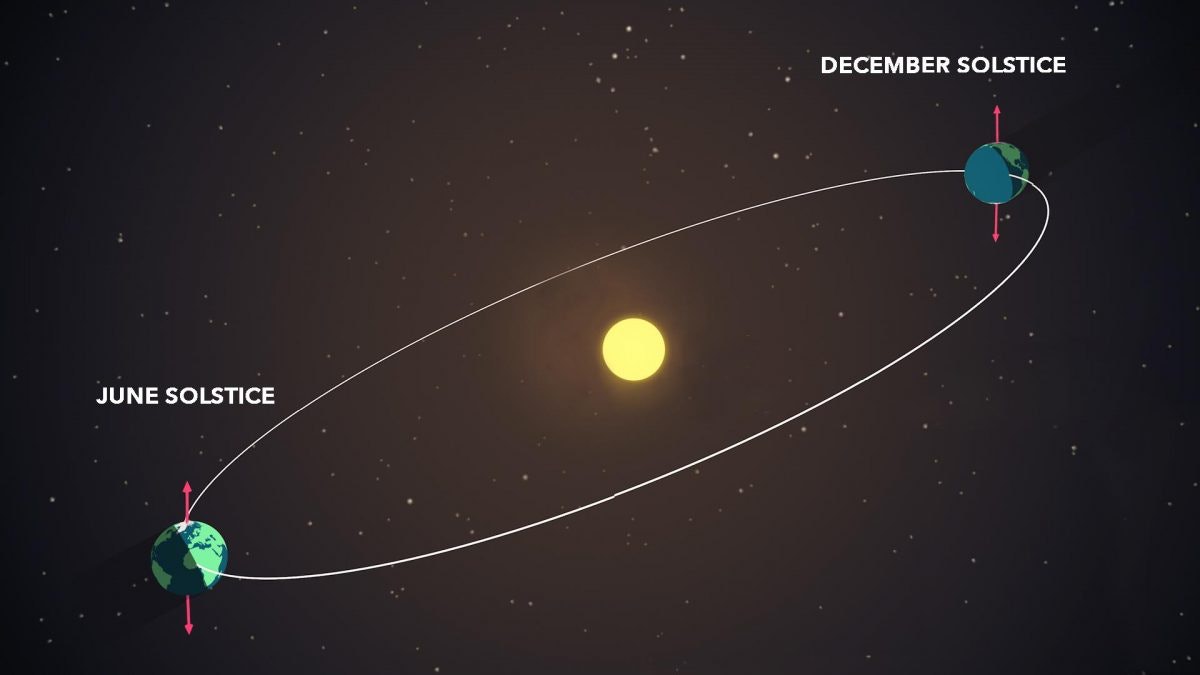
The Summer Solstice occurs because the Earth is tilted on its axis by approximately 23.5 degrees. As the Earth orbits the Sun, this tilt causes different parts of the planet to receive varying amounts of sunlight throughout the year. On June 21, the Northern Hemisphere is tilted most directly toward the Sun, resulting in the longest day and the shortest night of the year.
Contrary to popular belief, the longest day does not mean the Sun stays visible for a full 24 hours in most locations. Instead, it means that the period between sunrise and sunset is longer than on any other day of the year. The exact number of daylight hours varies depending on a location’s distance from the equator. Regions farther north experience significantly longer daylight hours, while areas closer to the equator see less variation throughout the year.
The Summer Solstice has been celebrated by civilizations for thousands of years. Ancient cultures viewed the event as a symbol of abundance, fertility, and renewal. Historic monuments such as Stonehenge in England were designed to align with the sunrise on the solstice, attracting visitors and researchers who continue to study these ancient traditions.
The day also holds cultural and spiritual significance in many countries. Festivals, outdoor gatherings, and community events are often organized to celebrate the arrival of summer and the power of nature. For many people, it is a time to enjoy longer evenings, warmer weather, and outdoor activities.
From a scientific perspective, the Summer Solstice marks a turning point in the Earth’s annual cycle. After June 21, daylight hours in the Northern Hemisphere gradually begin to decrease until the Winter Solstice in December.
Whether viewed through the lens of science, history, or culture, June 21 remains one of the most fascinating days of the year. The Summer Solstice serves as a reminder of the Earth’s place in the solar system and the natural rhythms that shape life on our planet.