








Soaring Israeli War Spending Sparks Global Economic Ripples: Critics Call It a Costly Waste
Massive military expenditures in Israel, backed by the U.S., U.K., and European allies, raise concerns over global financial strain and misplaced priorities.
— International Desk —
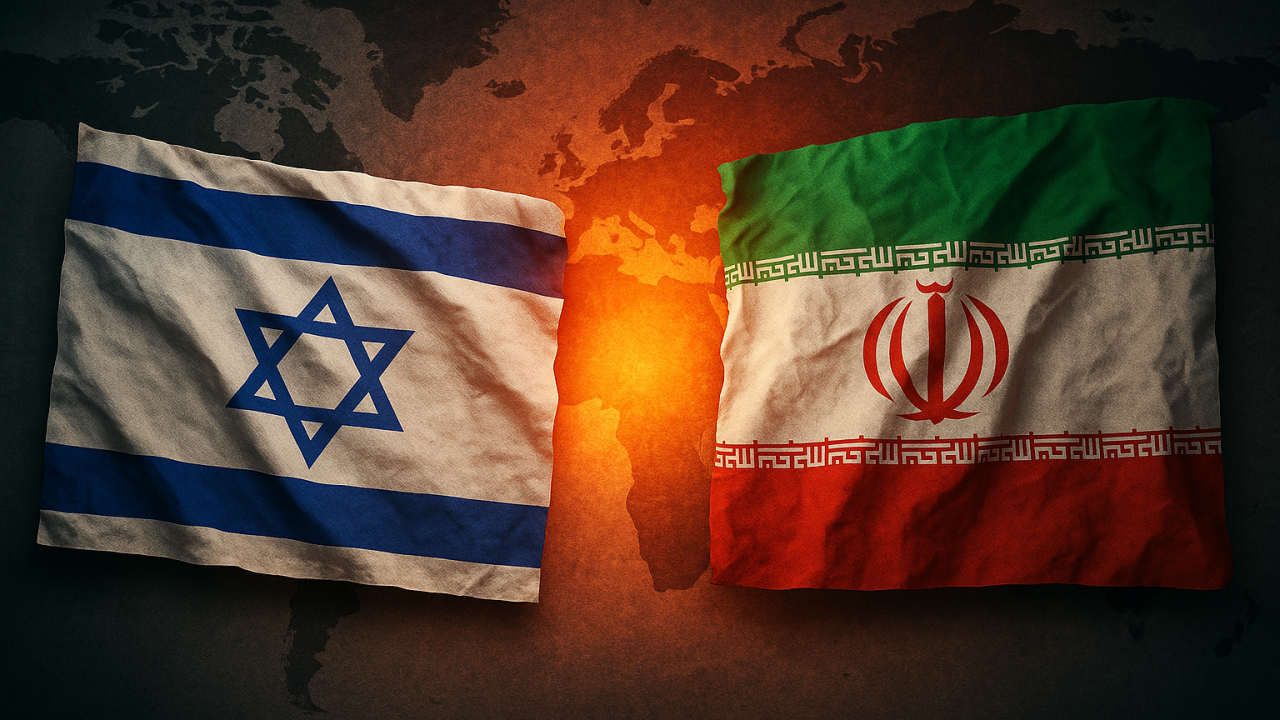
As the war in Gaza drags on, the financial burden of Israel’s military operations has reached staggering levels — with ripple effects now being felt across the global economy. Backed by billions in support from the United States, United Kingdom, and several European nations, Israel’s war budget is not only raising humanitarian concerns but also sparking global economic alarm.
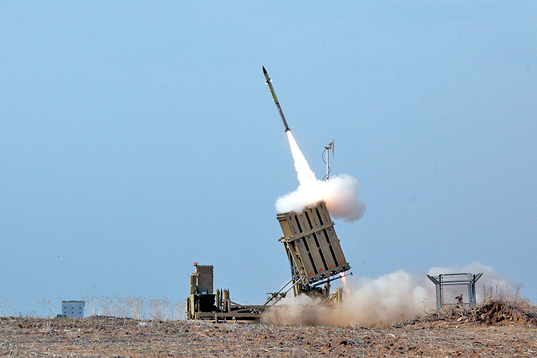
According to international defense analysts, Israel has spent tens of billions of dollars since the conflict escalated, with continuous airstrikes, advanced weaponry systems, and massive troop mobilizations. The scale of military expenditure has triggered criticism from economists and civil society groups who argue that such spending represents a colossal waste of resources at a time of global financial hardship.
Global Backing, Global Burden
A significant portion of Israel’s defense budget is supported by U.S. taxpayers through annual aid packages, special wartime funding, and direct arms shipments. The U.K. and several EU countries have also provided diplomatic and logistical support — prompting scrutiny over their roles in enabling and financing a prolonged conflict.
“While their economies face inflation, debt, and social inequality, Western governments are writing blank checks for war,” said Dr. Lena Houghton, a political economist at Cambridge University. “This is not just a foreign policy issue — it’s a massive misallocation of public funds.”
Economic Strain and Political Backlash
In the U.S., where over $14 billion in emergency military aid to Israel was approved in 2024, lawmakers and citizens are increasingly questioning the economic logic behind the policy.
“This is money that could be going to healthcare, education, housing — not bombs and missiles,” said U.S. Congresswoman Ilhan Omar in a recent statement. “War spending is not only immoral, it’s fiscally irresponsible.”
European countries, many of which are still recovering from energy crises and refugee pressures due to the war in Ukraine, are also facing backlash over their involvement and military sales to Israel.
Impact on Global Prices and Supply Chains
The prolonged conflict, coupled with the large-scale consumption of military hardware, fuel, and logistics services, is also putting pressure on global markets. Oil prices have seen spikes due to tensions in the wider Middle East, while arms manufacturers report soaring demand — driving up costs globally and diverting production away from humanitarian needs.
“The defense industry is booming, but at what cost?” asked Ahmad Raza, a researcher at the Global Peace Institute. “We are witnessing a distortion in global supply chains — where war becomes more profitable than peace.”
Calls for Accountability and Redirection
As war spending continues unchecked, calls are growing louder for international accountability and a shift toward diplomacy and reconstruction.
Economists argue that even a fraction of these funds could address global crises like poverty, climate change, hunger, and public health. “The numbers are staggering — and so is the opportunity cost,” said Houghton.