









Fed Governor Breaks Ranks: Signals Rate Cuts Could Begin as Early as Next Month to Prevent Job Market Cracks
In a surprising shift, a Federal Reserve governor hints at a potential pivot toward interest rate cuts starting next month, citing signs of labor market weakening and economic fragility.
Fed Insider Sparks Debate with Unexpected Dovish Signal
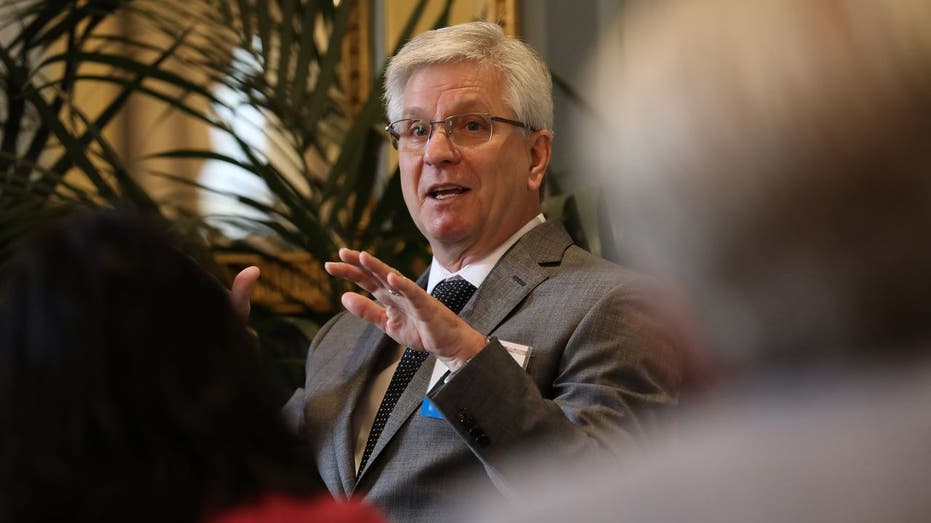
In a significant break from the Federal Reserve’s recent messaging, one of its key governors has publicly indicated that interest rate cuts could resume as early as next month — a move aimed at preventing deeper damage to the U.S. labor market. The unexpected dovish tone is stirring debate within the financial community and signaling potential cracks in the Fed’s previously unified stance on holding rates higher for longer.
While Chair Jerome Powell and several other central bank officials have maintained a cautious “wait and see” posture regarding inflation and rate policy, this public deviation has intensified speculation about whether the Fed is preparing for a summer pivot.
“We must act preemptively to preserve labor market strength before fragility becomes fracture,” the unnamed Fed governor said during a closed-door economic roundtable, according to sources familiar with the matter.
Labor Market Signals Flash Yellow, Not Red — For Now
Although the U.S. economy continues to post moderate job gains, several leading indicators suggest that the momentum is slowing:
- Unemployment claims have ticked upward for three consecutive weeks, hovering near a 10-month high.
- Wage growth has cooled, particularly in service sectors like retail and hospitality.
- Job openings continue to decline, with the latest JOLTS data showing a significant dip in new listings.
“The labor market is no longer red-hot. It’s cooling, and in some areas, we’re seeing early signs of contraction,” said Sarah Linden, a labor economist at Georgetown University. “A well-timed rate cut could stabilize conditions before layoffs escalate.”
Inflation Progress Gives Fed Room to Maneuver
One of the primary justifications for maintaining high interest rates — persistent inflation — appears to be weakening. The most recent CPI data showed inflation rising at just 2.6% year-over-year, closer to the Fed’s 2% target than at any point since 2021. Core inflation, which excludes volatile food and energy prices, also declined for the third consecutive month.
“This new data strengthens the case for easing,” the Fed governor stated. “If we wait for labor markets to break, we will have waited too long.”
The governor’s comments echo a growing minority view within the Federal Open Market Committee (FOMC) that preemptive easing could support economic growth without reigniting inflation.
Market Reacts Swiftly to Policy Shift Hint
Markets were quick to respond to the hint of a near-term rate cut:
- The Dow Jones Industrial Average jumped 300 points in early trading.
- The 10-year Treasury yield fell by 14 basis points, reflecting expectations of looser monetary policy.
- The dollar index dropped modestly, making room for a potential rebound in risk assets.
Financial analysts noted that while the Fed has not officially signaled any change, a governor breaking ranks sends a powerful message.
“One Fed voice can sway market psychology if it challenges the ‘higher for longer’ narrative,” said James Rollins, Head of Global Strategy at Bluehawk Investments.
Internal Divisions Begin to Surface at the Fed
Although the Federal Reserve typically projects a unified front to avoid spooking markets, internal tensions may now be bubbling to the surface.
At the Fed’s June meeting, several policymakers signaled just one rate cut in 2025, while others projected none at all. However, recent economic data — especially softening job metrics — may be shifting sentiment faster than anticipated.
Some economists see this public deviation as a trial balloon to test how markets and fellow officials respond.
“It’s highly unusual for a Fed governor to telegraph cuts unless internal support is growing,” said Nicole Farley, a former Fed staffer. “This could be a strategic leak ahead of next month’s FOMC meeting.”
What to Watch in the Coming Weeks
All eyes are now on the upcoming data and Fed appearances in July. Key indicators that could confirm or counter the governor’s claims include:
- Nonfarm Payrolls Report (early July): A significant slowdown could validate the need for policy easing.
- PCE Inflation Data: If disinflation continues, rate cuts could come sooner.
- FOMC Minutes: The tone and dissent levels from the last meeting will be scrutinized closely.
Meanwhile, Fed watchers will monitor comments from other officials to see if the governor’s view gains broader traction.
Final Thoughts: Pivot or Posture?
The Federal Reserve is walking a fine line between avoiding a premature loosening that could reignite inflation and acting decisively to protect employment. While one governor’s dissent doesn’t guarantee a policy shift, it’s a strong signal that the Fed’s internal calculus may be changing.
If economic softness continues and inflation remains in check, the case for a rate cut in July or September could become mainstream — transforming what once seemed like a distant pivot into an imminent policy shift.