









Elon Musk Promised a “Major Rebound” in Tesla Sales—But Angry Europeans Still Aren’t Buying His Cars
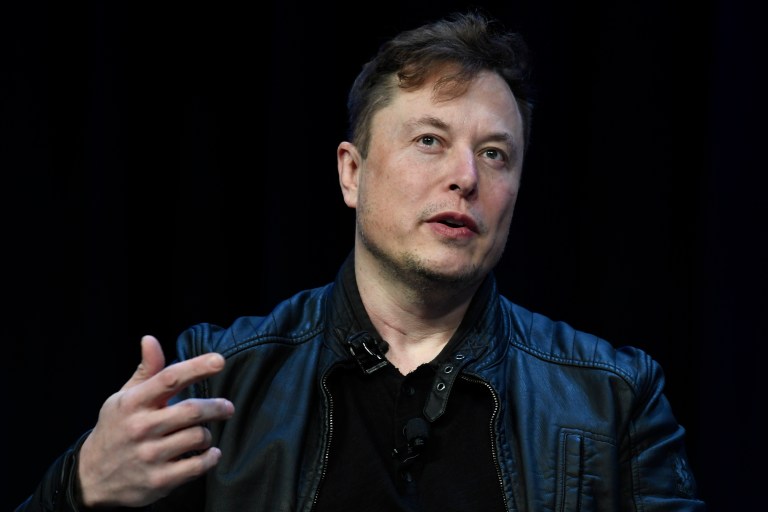
When Elon Musk took the stage earlier this year to address Tesla’s slowing global sales, he struck an optimistic tone. “We expect a major rebound,” Musk declared during a first-quarter earnings call. “We’re confident that demand will recover significantly—especially in key international markets like Europe.”
But despite the bold claims, the numbers tell a different story. In Europe, one of Tesla’s most critical battlegrounds, consumer enthusiasm continues to wane. Once a symbol of cutting-edge technology and eco-conscious innovation, Tesla is now facing mounting resistance across the continent. From Germany to France to the Nordic countries, sales have been flat or declining, with many European consumers opting for local competitors or Chinese-made EVs instead.
A Steady Decline in a Former Growth Market
According to the latest data from the European Automobile Manufacturers’ Association (ACEA), Tesla’s market share in the European Union dropped from 2.4% in Q2 of 2024 to just 1.8% in Q2 of 2025. Deliveries have missed targets for three consecutive quarters, even as rivals like BMW, Mercedes-Benz, Volvo, and BYD have increased their share of the EV market.
Germany, long considered Tesla’s European anchor thanks to its Gigafactory in Berlin-Brandenburg, has become a focal point of Tesla’s challenges. In May 2025 alone, Tesla sales in Germany fell 12% year-over-year, while BMW’s EV sales grew by 17%. Similar trends were recorded in France and the Netherlands.
So what went wrong for a company that once led the EV charge in Europe?
Consumer Backlash, Labor Disputes, and Musk’s Persona
Analysts say the reasons are complex—but a mix of consumer sentiment, public image issues, and regional competition has created a perfect storm.
First, European consumers have grown increasingly wary of Elon Musk’s controversial public statements and erratic behavior. From his hostile stance toward labor unions to inflammatory posts on X (formerly Twitter), Musk has alienated large segments of a public that places high value on corporate ethics and worker protections.
“Tesla is still producing competitive vehicles,” said Sophie Meinhardt, a transportation analyst at MobilityEurope. “But the brand has lost its cultural cachet in Europe. People don’t just buy EVs for performance—they want to feel aligned with the company’s values. Right now, Tesla just isn’t that company for many Europeans.”
This sentiment is reflected in surveys conducted by the European Green Mobility Association, which found that 38% of former Tesla owners in Germany said they would not consider buying another Tesla, citing “lack of trust in leadership” and “ethical concerns.”
Meanwhile, Tesla’s highly publicized refusal to sign collective labor agreements in countries like Sweden and Norway has triggered protests, port blockades, and even electricity grid boycotts from trade unions. These conflicts have not only hurt Tesla’s brand image but have also led to logistical disruptions and delivery delays.
Local Rivals Surge While Tesla Stalls
While Tesla struggles, European automakers have stepped into the vacuum with renewed vigor. Volkswagen has ramped up production of its ID. series, offering vehicles at lower prices with competitive features. BMW and Mercedes-Benz have expanded their electric lineups with sleek, luxury-focused EVs that cater directly to Tesla’s core demographic. Meanwhile, China’s BYD and Nio are quietly gaining traction in Europe with budget-friendly alternatives.
Adding to the pressure is the European Union’s Green Deal, which has incentivized local manufacturing and penalized carbon-heavy production chains—another area where Tesla, with its centralized manufacturing and global supply chain, is now under greater scrutiny.
Tesla’s Berlin Factory: From Crown Jewel to Flashpoint
The Gigafactory Berlin was supposed to be Tesla’s European cornerstone, a strategic hub to bring the company closer to its customers and reduce reliance on U.S. and China-based production. However, the project has been mired in local controversies from the beginning, ranging from water usage concerns and environmental protests to disputes over working conditions and pay.
Earlier this year, Tesla faced a public relations crisis after reports emerged that factory workers in Germany were protesting long hours, poor safety standards, and wage disparities. While Tesla denied wrongdoing and cited high productivity, the damage was already done in the eyes of many European consumers.
“The Berlin Gigafactory was meant to be a symbol of Tesla’s global reach,” said Klaus Richter, a political economist at the University of Munich. “Instead, it has become a symbol of the company’s failure to adapt to European norms and expectations.”
The Bigger Picture: A Global Demand Challenge
Tesla’s European troubles come amid broader global challenges. While EV adoption continues to grow, the pace has slowed from its 2022–2023 peak. Rising interest rates, cost-of-living concerns, and the fading novelty of electric vehicles have made consumers more selective. In the U.S., Tesla remains dominant but is facing new competition from Ford, Rivian, and Hyundai. In China, its second-largest market, Tesla faces price wars and pressure from rapidly growing domestic brands.
To counter the slowdown, Tesla has slashed prices on multiple models, promised new software upgrades, and teased an affordable next-gen EV due in late 2026. But analysts remain skeptical about whether these moves will reverse its fortunes in Europe.
Conclusion: Rebound or Reckoning?
Despite Elon Musk’s assurance of a “major rebound,” Tesla’s European sales trajectory remains stubbornly downward. Consumer trust has eroded, regional competition has intensified, and Musk’s unpredictable behavior continues to cast a long shadow over the brand.
To win back Europe, Tesla must do more than build better cars—it must rebuild its reputation. That means engaging with labor unions, aligning with regional values, and perhaps most importantly, allowing its technology to speak louder than its CEO.
As Europe’s EV market matures and consumer expectations evolve, one thing is clear: the old Tesla playbook won’t work here anymore.