









Figma IPO’s Surprise Winner Is a Charity With 13 Million Shares—And a Famous Backstory That Sparked a Bitter Feud Over an Oil Fortune
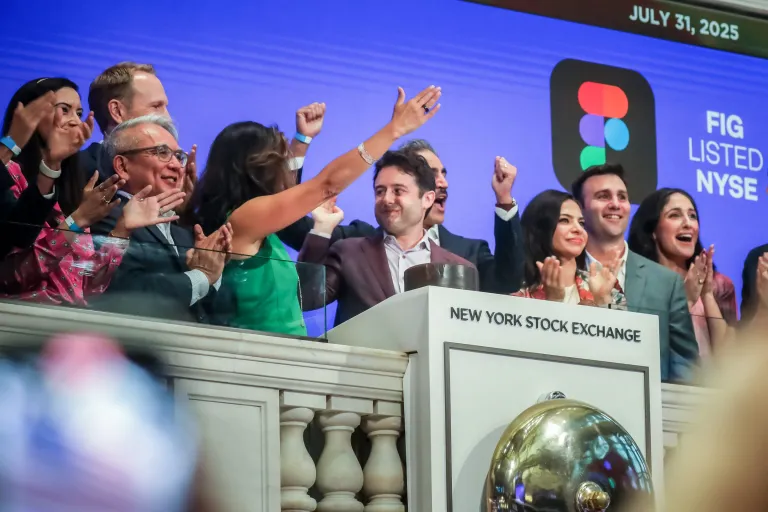
When Figma, the cloud-based design platform, filed to go public, investors and tech insiders buzzed over valuation numbers, revenue growth, and market dominance. But buried in the IPO filing was a jaw-dropping revelation: one of the largest beneficiaries of this Silicon Valley success story is not a venture capital firm or a startup accelerator—it’s a charity.
With 13 million shares in Figma, the William and Flora Hewlett Foundation stands to gain hundreds of millions, possibly billions, depending on the final IPO pricing. Yet this isn’t just another philanthropic investment win. The foundation’s surprising stake in Figma traces back to one of the most dramatic inheritance battles in American history, involving an oil dynasty, contested wills, and a deeply personal feud that reshaped philanthropic giving.
The Figma-Hewlett Link: How a Design Startup Ended Up in a Legacy Charity’s Portfolio
The Hewlett Foundation, founded in 1966 by Hewlett-Packard co-founder William Hewlett and his wife Flora, has long been one of the most influential philanthropic organizations in the world. The foundation’s connection to Figma comes through John H. Doerr, the famed venture capitalist at Kleiner Perkins, and more crucially, David Filo—the Yahoo! co-founder who backed Figma early on through his own family trust.
But how did this endowment grow to such a high-profile windfall?
Figma’s founder, Dylan Field, was mentored and supported by several early backers who believed in his vision of a collaborative design tool for the modern internet era. One of those backers redirected part of their equity into a donor-advised fund connected to the Hewlett Foundation. As Figma grew from a niche product into an industry standard—eventually triggering Adobe’s failed $20 billion acquisition attempt in 2022—that charitable slice appreciated massively.
SEO Keywords: Figma IPO, Figma charity shares, Hewlett Foundation Figma, Figma IPO backstory, Figma Adobe acquisition
A Legacy of Oil, Feuds, and Giving: The Hewlett Foundation’s Complicated Past
While Figma’s connection to philanthropy seems like a Silicon Valley oddity, the roots of the Hewlett Foundation’s wealth and influence stretch back much further—and carry a legacy of tension and controversy.
The Hewletts built their fortune not only through HP but also via investments tied to the American oil boom. This fortune became the subject of bitter disputes among heirs and co-founders. One such feud involved the foundation’s early trustees and competing philanthropic ideologies. Flora Hewlett, known for her conservative Christian values, once clashed with other board members over how the foundation’s money should be spent—especially when it came to progressive causes and funding for reproductive health, education reform, and environmental activism.
Over the decades, as the foundation evolved into one of the largest philanthropic players in the U.S.—with assets exceeding $10 billion—it began funding far-reaching projects, including climate change research, racial equity, and digital innovation. The fact that it now holds a significant stake in a tech unicorn like Figma is both financially and symbolically important: it represents a new era of wealth transfer from tech to social impact.
SEO Keywords: oil family feud, Hewlett Foundation history, Flora Hewlett, philanthropic legacy, charity tech investments
Figma’s Soaring Valuation Could Bring a Windfall for Philanthropy
Figma’s IPO is projected to be one of the most high-profile tech listings of the decade, especially after its dramatic near-sale to Adobe fell through due to antitrust concerns. Analysts estimate the company could be valued at $15–20 billion upon debut. If shares are priced at the higher end of expectations, the Hewlett Foundation’s stake could be worth well over $1.5 billion.
Such a windfall would significantly boost the foundation’s already massive giving capacity. In recent years, the Hewlett Foundation has funded everything from AI ethics research to women’s rights groups in Sub-Saharan Africa. With additional capital from Figma’s IPO, the foundation may be poised to expand its impact across digital equity, climate innovation, and public policy reform.
This turn of events also reflects a broader shift in how philanthropy operates in the 21st century. Wealth is no longer confined to real estate or traditional endowments. Today’s charitable giants are increasingly powered by equity stakes in high-growth startups—changing the nature of nonprofit influence and financial sustainability.
SEO Keywords: Figma IPO valuation, Figma shares charity, nonprofit tech investments, digital philanthropy, IPO windfall for charity
A Rare Win for Legacy Philanthropy in a Startup-Dominated World
In an age where most billion-dollar startups are backed by venture capital firms seeking lucrative exits, the presence of a legacy philanthropic institution in a major cap table is rare. The Hewlett Foundation’s 13 million shares in Figma symbolize more than financial gain—they reflect a quiet, intentional movement toward sustainable giving through capital appreciation.
This model—backing startups and waiting patiently for equity value to translate into charitable funds—is gaining attention among donor-advised funds and legacy trusts. As Gen Z and millennial philanthropists begin to reshape the sector, the Figma example could inspire more foundations to embed themselves into startup ecosystems, not just as grant-makers but as early backers.
For the Hewlett Foundation, the Figma stake is poetic in a way. Decades after fierce internal disputes over wealth, legacy, and impact, the foundation now holds a piece of a modern design platform that champions collaboration, accessibility, and user empowerment—themes far removed from its origin in the oil and industrial eras.
Final Thoughts: Philanthropy’s Tech-Forward Future
The Figma IPO isn’t just a win for shareholders—it’s a case study in how wealth, legacy, and philanthropy can intersect in surprising ways. The Hewlett Foundation, once tied to industrial-age conflicts and boardroom battles, now sits at the forefront of tech-powered social change.
As the IPO unfolds, the world will watch Figma’s market performance. But for those who care about where wealth flows next, the bigger story may be this: a 13-million-share stake that proves charities can thrive not just on donations, but on bold, early bets—bets that pay off for both the balance sheet and the greater good.