







Something Weird Is Happening in the Economy: 6 New Economic Classes Are Emerging
For decades, discussions about wealth distribution in the United States were largely framed around three familiar groups — the lower class, the middle class, and the upper class. But according to Nick Maggiulli, New York Times bestselling author and Chief Operating Officer at Ritholtz Wealth Management, this old model is no longer enough to explain what’s happening in today’s economy. In a recent analysis, Maggiulli warns that “something weird is going on” — and that six distinct economic classes are taking shape in America.
This shift is not just about income inequality; it’s about the way people live, spend, and experience financial security — or the lack of it. The pandemic, rapid technological changes, and shifting investment trends have accelerated these divisions.
Why the Traditional Class Model No Longer Fits
Historically, economists used household income and assets to group Americans into broad categories. But the economic upheavals of the last decade — from the 2008 financial crisis to COVID-19, from skyrocketing housing prices to the rise of AI-driven jobs — have fractured the economic landscape.
Maggiulli suggests that the old “middle class” umbrella is now stretched so wide that it includes both families living paycheck to paycheck and households comfortably investing six figures annually. That makes the label almost meaningless.
The Six Emerging Economic Classes
While Maggiulli doesn’t claim this is a rigid framework, he outlines six distinct groups that better reflect America’s current wealth distribution:
- The Financially Fragile
- Individuals or households living paycheck to paycheck, often with little to no emergency savings.
- Any unexpected expense — a medical bill, car repair, or rent hike — can push them into debt.
- The Stretched Middle
- People who earn enough to cover basic needs but feel constant pressure from inflation, housing costs, and stagnant wages.
- They may have small savings but rarely enough to invest meaningfully.
- The Comfortable Class
- Households with steady incomes, manageable debt, and the ability to save for retirement or invest in the stock market.
- Still vulnerable to large-scale economic shocks.
- The Emerging Affluent
- Professionals or business owners who are building wealth through investments, real estate, or high-paying careers.
- They have growing assets but are still actively working to secure long-term stability.
- The Established Wealthy
- Individuals with significant investments, multiple income streams, and the freedom to work by choice rather than necessity.
- They are well insulated from most economic downturns.
- The Ultra-Wealthy Elite
- The top fraction of the top 1%, holding vast fortunes, political influence, and global reach.
- Their wealth often comes from ownership stakes in corporations, private equity, or inherited assets.
What’s Driving the Shift?
Several key forces are behind the rise of these new economic classes:
- Real Estate Boom & Housing Crisis: Homeowners who bought before 2020 saw their equity surge, while renters face skyrocketing costs.
- Stock Market Growth: Those with the means to invest early in tech stocks, crypto, or index funds have seen outsized gains.
- Technology & AI: Automation is reshaping job markets, creating high-paying tech roles for some while displacing others.
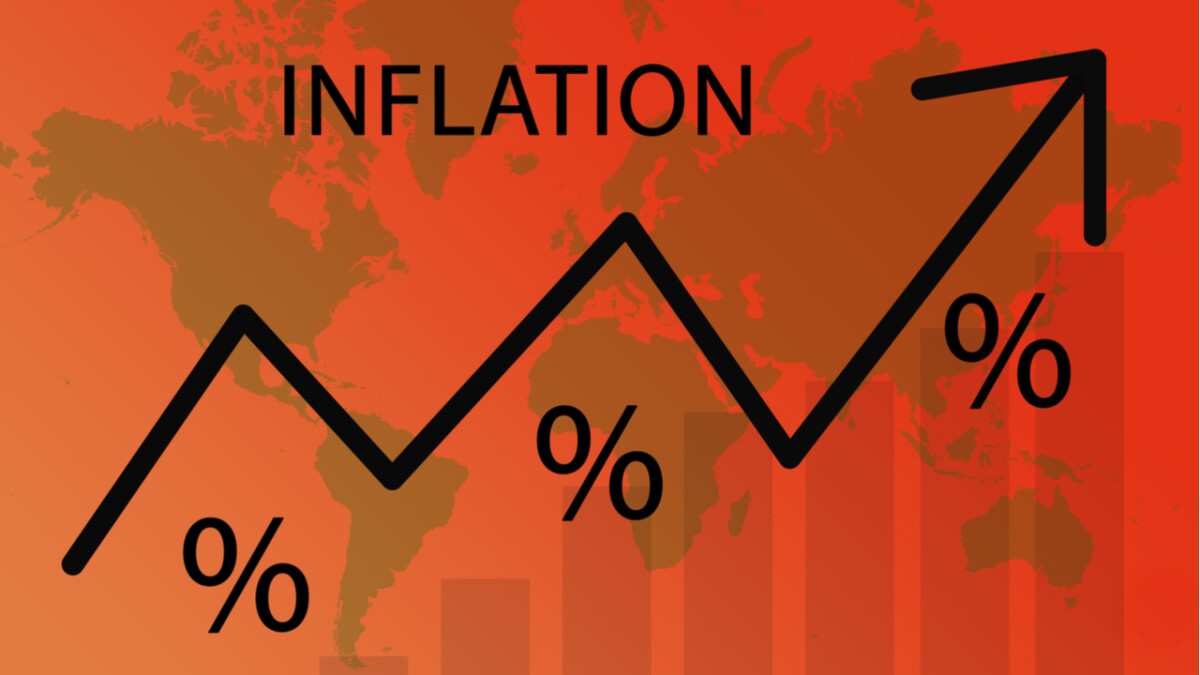
- Inflation: Rising prices hit lower-income households harder, widening the gap between the fragile and the affluent.
- Debt Burdens: Student loans, credit card interest, and auto loans keep millions stuck in financial limbo.
Why It Matters
Maggiulli warns that these divisions aren’t just about money — they shape political views, social mobility, and even cultural attitudes. A nation where the “middle” is split into multiple economic realities will have different priorities, voting patterns, and expectations for government support.
Policy makers, economists, and everyday Americans need to recognize that today’s middle class is not a single, unified group — it’s a spectrum. Solutions that worked in the past may not reach everyone effectively anymore.
Final Takeaway
America’s economy is evolving into a more complex, uneven landscape. Whether you find yourself among the financially fragile or the emerging affluent, understanding where you stand can help you make smarter choices — from budgeting and investing to career planning.
As Maggiulli puts it, “We can’t solve the problems of today’s economy if we’re still thinking in yesterday’s terms.”