









Slate CEO Says EV Tax Credit Removal Is Opening Battery Supply Capacity
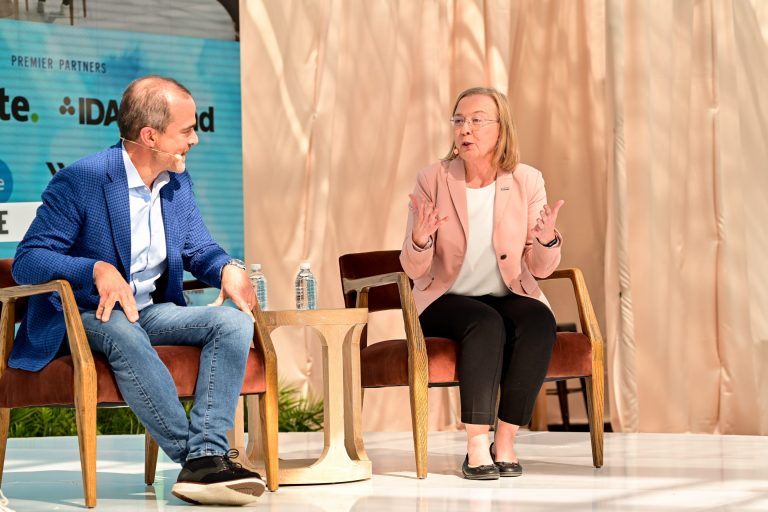
The electric vehicle market in the United States is entering a new phase, and Slate, the U.S.-made electric truck company, is positioning itself to take advantage of the shift. According to Slate CEO Chris Barman, the removal of the federal EV tax credit is creating an unexpected opportunity: it is “opening up capacity” from battery suppliers that were previously stretched thin meeting demand from larger automakers.
Battery Supply Becomes More Accessible
For years, one of the biggest hurdles for smaller EV manufacturers like Slate has been securing enough battery cells at a competitive cost. With the tax credit boosting demand for electric cars across the industry, larger companies such as Tesla, Ford, and General Motors absorbed much of the available supply. The rollback of the incentive, Barman explains, has slightly eased that demand, allowing battery producers to redirect capacity toward newer entrants in the EV space.
This shift is significant for Slate. The company, known for designing affordable, U.S.-built electric trucks, has consistently emphasized the importance of reliable supply chains. With increased access to batteries, Slate can scale production more smoothly and keep prices competitive, even without relying heavily on government subsidies.
Competing Without Incentives
While many automakers factored the $7,500 federal tax credit into their pricing strategies, Slate built its business model with the expectation that such incentives might not last. Barman has stressed that affordability should not hinge on temporary subsidies. Instead, Slate is focused on lean design, simplified manufacturing, and strong supplier partnerships to bring costs down.
This approach positions the company to withstand market fluctuations better than some rivals. Rather than reworking its pricing after the policy change, Slate sees it as a moment to strengthen relationships with suppliers and reinforce its message of long-term value.
Opportunities in the EV Landscape
The broader EV industry is in transition. As consumer incentives decline, competition is shifting toward which companies can deliver reliable, affordable vehicles without government support. For Slate, the opening of battery capacity provides breathing room to accelerate production and meet the demand for low-cost electric trucks.
Moreover, Slate’s U.S.-based operations give it an additional advantage in appealing to customers who value domestic manufacturing and reduced dependence on overseas supply chains. As battery technology advances and production scales further, the company aims to pass savings on to consumers, making electric mobility accessible to a wider audience.
The Road Ahead for Slate
The removal of the EV tax credit may have created challenges for many automakers, but Slate’s leadership views it as a catalyst. By freeing up supply chain bottlenecks and forcing companies to compete on efficiency rather than incentives, the market is rewarding innovators that can deliver true value.
As Chris Barman highlights, the opening of capacity from battery suppliers is not just about filling orders—it’s about building a foundation for long-term growth. Slate is betting that affordable, practical electric trucks will carve out a strong space in the U.S. market, and with battery supply easing, the company is better positioned than ever to deliver on that vision.