










The Founders Who Cashed Out on YouTube, Reddit, and Instagram—and Missed Out on Becoming Today’s Billionaires
In the world of startups, timing is everything. Founders dream of building the next big platform, but history shows that the decision of when to sell—or when to hold on—can mean the difference between walking away with millions and joining the exclusive club of billionaires. Platforms like YouTube, Reddit, and Instagram changed the way people consume media, connect with communities, and share their lives online. Yet, the creators behind these giants often sold too early, leaving unimaginable wealth on the table.
YouTube: A Cultural Revolution Sold Too Soon
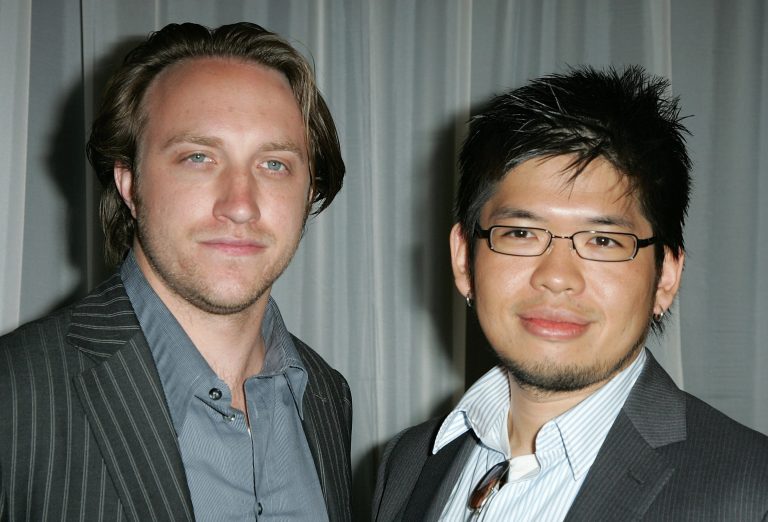
YouTube launched in 2005 as a small video-sharing site created by three former PayPal employees—Chad Hurley, Steve Chen, and Jawed Karim. Just over a year later, Google saw its potential and acquired YouTube for $1.65 billion in stock. At the time, the deal seemed extraordinary. Hurley and Chen became multimillionaires overnight, and the platform’s investors celebrated the quick exit.
But fast forward to today, YouTube is valued at over $300 billion as part of Google’s ecosystem. The revenue generated from ads, YouTube Premium, and its dominance in digital content would have made the original founders billionaires many times over if they had held onto their stakes. Instead, they chose security over long-term dominance.
Reddit: From Dorm Room Project to Global Influence
Reddit was founded in 2005 by Steve Huffman and Alexis Ohanian. The pair envisioned a “front page of the internet,” and within a year, Condé Nast acquired Reddit for just $10 million. At the time, the figure seemed impressive, especially for two recent college graduates.
Today, Reddit commands a valuation of more than $6 billion, with plans for an even larger market presence through advertising, community-driven commerce, and IPO opportunities. Huffman eventually returned as CEO, but the early sale ensured that neither he nor Ohanian captured the billionaire status that came with later social media platforms.
Instagram: The $1 Billion Deal That Looks Small Today
In 2012, Instagram’s founders Kevin Systrom and Mike Krieger agreed to sell the app to Facebook for $1 billion. At the time, Instagram had just 13 employees and a rapidly growing user base. Many considered it one of the smartest acquisitions in tech history—Facebook secured a potential rival, and Systrom and Krieger became incredibly wealthy.
But hindsight reveals how much more they could have gained. Today, Instagram is worth more than $100 billion on its own. With over two billion active users, it drives a massive portion of Meta’s advertising revenue and dominates cultural trends worldwide. The founders became millionaires, yes, but not billionaires.
Why Founders Cash Out Early
There are several reasons why startup founders often sell too soon:
- Risk and burnout: Scaling a platform requires resources, management skills, and emotional energy. Many founders prefer to exit rather than face the stress of competing with giants like Google or Facebook.
- Uncertainty of the future: At the time of acquisition, no one can predict whether the app will continue to grow or collapse under pressure from competitors.
- Attractive buyouts: Deals worth hundreds of millions—or even a billion—can be life-changing for young entrepreneurs, making it difficult to say no.
The Lessons for Future Entrepreneurs
The stories of YouTube, Reddit, and Instagram highlight the delicate balance between risk and reward. While their founders achieved life-changing success, they also illustrate what happens when visionaries trade long-term potential for short-term security.
In today’s startup ecosystem, entrepreneurs can learn that:
- Holding out longer may lead to exponential returns, but it also requires resilience and risk tolerance.
- Partnerships with larger companies may provide growth opportunities but often mean giving up control and future wealth.
- Timing remains the most critical factor—knowing when to sell or when to hold on can define a legacy.
Final Thoughts
The early exits of YouTube, Reddit, and Instagram’s founders remind us that not all success stories end with billion-dollar fortunes. For some, the choice to sell brought stability and freedom. For others, it left the haunting realization that they helped build empires but stepped away before reaping their full rewards.
In the fast-moving digital economy, the fine line between millionaire and billionaire often comes down to patience, risk, and timing.