









These Are the Tasks Indeed’s New CEO Says HR Leaders Should Hand Over to AI
Artificial intelligence is steadily becoming a critical part of how companies manage talent, streamline processes, and reduce inefficiencies in the workplace. According to the new CEO of Indeed, one of the world’s largest job platforms, human resources leaders should embrace AI as a powerful partner rather than view it as a threat. By strategically offloading certain tasks to AI, HR teams can free up time for high-value, people-focused work that technology cannot replicate.
Why HR Needs AI Integration
The role of HR has evolved far beyond traditional hiring and compliance. Modern HR departments are expected to drive employee engagement, build inclusive cultures, and guide organizations through rapid change. Yet, many HR professionals remain bogged down by repetitive, time-consuming tasks that limit their ability to focus on strategic initiatives.
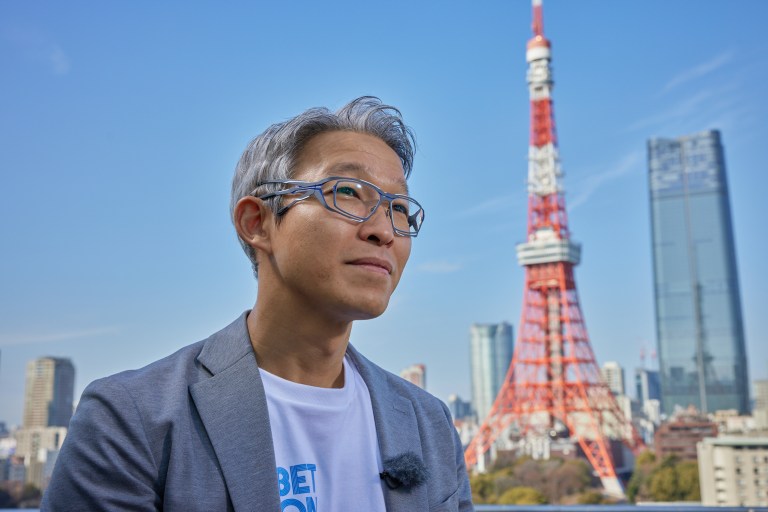
Indeed’s new CEO emphasizes that AI offers an immediate opportunity to reshape how HR operates. By handing off routine responsibilities, HR leaders can position themselves as strategic advisors while still ensuring efficiency and compliance in day-to-day operations.
Tasks That Can Be Delegated to AI
1. Resume Screening and Candidate Shortlisting
One of the most time-intensive tasks for HR teams is manually reviewing resumes. AI-powered applicant tracking systems can instantly scan thousands of applications, identify relevant skills, and create shortlists of top candidates. This not only accelerates hiring but also helps reduce unconscious bias by focusing on skill-based criteria.
2. Job Description Creation and Optimization
Crafting clear and compelling job descriptions is critical for attracting talent. AI tools can generate tailored descriptions based on role requirements, benchmark them against industry standards, and even optimize postings for search visibility. This ensures consistency while saving recruiters valuable time.
3. Scheduling Interviews
Coordinating interviews between candidates, managers, and multiple stakeholders is a logistical headache. AI-driven scheduling assistants can automate this process, matching availability across calendars and sending reminders. This eliminates delays and provides a smoother candidate experience.
4. Employee Onboarding
From sending welcome emails to managing paperwork and setting up training sessions, onboarding can be largely automated with AI. Intelligent chatbots can answer FAQs, guide new hires through processes, and provide real-time support, freeing HR staff to focus on building personal connections with employees.
5. Employee Queries and HR Helpdesk Support
Many HR departments spend hours answering repetitive questions about policies, leave balances, or payroll. AI-powered chatbots can handle these inquiries instantly, offering 24/7 support. This not only improves efficiency but also enhances employee satisfaction by delivering quick responses.
6. Performance Tracking and Feedback Analysis
AI tools can analyze performance metrics, identify patterns in employee feedback, and provide actionable insights. For HR leaders, this means less manual data crunching and more time focusing on interventions that improve productivity and engagement.
The Human Touch Still Matters
Despite these efficiencies, Indeed’s CEO makes it clear that AI cannot replace the human side of HR. Building trust, coaching employees, managing conflicts, and shaping organizational culture all require empathy, judgment, and leadership—qualities that AI cannot replicate.
By letting AI handle the administrative and analytical workload, HR leaders can dedicate more time to fostering relationships, developing talent strategies, and aligning people initiatives with business goals.
Preparing HR Teams for the AI Era
For HR to successfully integrate AI, leaders must focus on upskilling their teams. Understanding how AI tools work, interpreting their outputs, and ensuring ethical use will be crucial. Transparency and communication with employees about AI adoption will also help ease concerns and build trust.
Conclusion
Indeed’s new CEO highlights a future where AI is not an HR replacement but a partner. By handing over tasks such as resume screening, interview scheduling, and helpdesk queries, HR professionals can reclaim time for what truly matters: people.
The organizations that embrace this balance—leveraging AI for efficiency while doubling down on human empathy—will not only attract and retain talent more effectively but also shape a workplace culture ready for the future of work.