









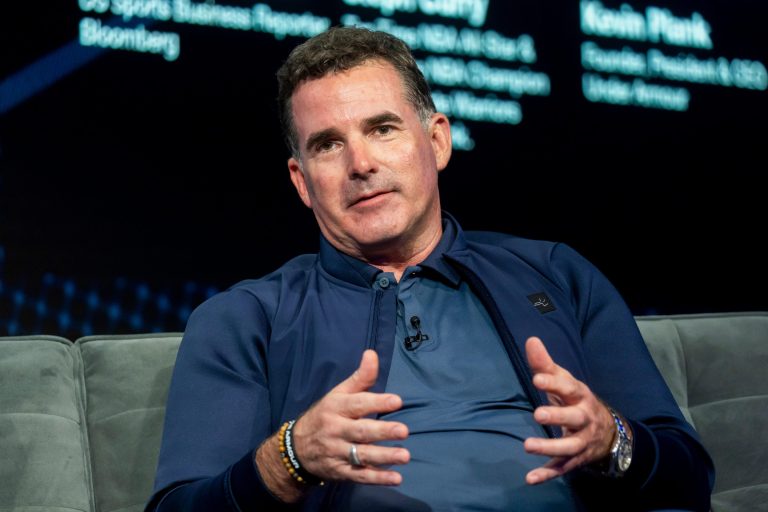
Under Armour’s CEO: Micromanagement Is “Totally Underestimated” — There’s “Too Much Lost on Pretension”
In a recent company-meeting, the CEO of Under Armour made a striking comment: micromanagement is “totally underestimated” in business, and he asserted that “there’s too much lost on pretension”. What he meant, and the implications of that statement, are worth unpacking for anyone interested in leadership, management culture, and how firms succeed (or fail) today.
What He Meant
From his remarks, a few key ideas emerge:
- Micromanagement undervalued as a leadership issue: Many leaders focus on big strategy, branding, innovation, cost control, but the day-to-day details — how leaders oversee, direct, and check in on employee work — often get dismissed as “too granular,” or even counterproductive. The CEO is pushing back: that those details matter a lot more than often acknowledged.
- Losses from pretension: By “pretension,” he seems to mean a kind of posturing — perhaps leaders pretending to delegate and empower, but really keeping control; or pretending that everything is under control when it isn’t. When leadership is more about image than substance, the cost is high: poor communication, gaps in accountability, misunderstandings, demotivated teams, redundant rework, loss of trust.
- Balance and leadership authenticity: Implicit in his observation is a call for more authentic leadership — less pretense, more genuine clarity and oversight. Micromanagement may have a negative reputation, but done well — thoughtfully, respectfully, without undermining employees — leadership that attends to detail can prevent waste, errors, ambiguity, and inefficiency.
Why This Is an Important Insight
- Contradiction of Conventional Wisdom
Traditionally, micromanagement is painted as toxic: stifling creativity, autonomy, initiative. Many management books, leadership seminars, and corporate cultures push for “delegation,” “empowerment,” “team ownership.” Under Armour’s CEO isn’t denying those, but challenging the idea that delegation means hands-off in all aspects. Some situations need tighter oversight; sometime not minding the details can lead to big losses.
- Cost of Overconfidence and Image
Pretension in business — projecting confidence, seniority, or capability without substance — can hide problems until they become serious. When things look good on the surface, but the operations underneath are weak, inefficiencies, quality issues, rework, misalignment accumulate. This CEO is suggesting that many companies lose more through letting image override operational rigor.
- Leadership & Employee Trust
A leader who genuinely checks in, cares about execution, and supports hands-on work can build trust — so long as it’s done respectfully and productively. Conversely, pretending oversight doesn’t matter or ignoring the details can erode trust when “things break” and employees feel leadership was disengaged.
- Competitive Differentiation
In industries like apparel, sportswear, consumer goods — where product quality, timing, innovation, brand matter — small mistakes cost money. A misprint, a late shipment, a product defect, misforecasted inventory — these are all “detail” level problems. Micromanagement (without being overbearing) can help control these zeroes.
- Organizational Agility and Consistency
In scaling companies, maintaining consistency across teams, geographies, product lines depends on the “non-glamorous” parts: standards, checks, reviews. Leaders who stay aware of those parts (even if they don’t personally manage every task) are more likely to have stable operations, fewer costly surprises.
Potential Risks & Caveats
While emphasizing micromanagement has its virtues, there are downsides if done poorly:
- Stifling Autonomy & Initiative: Too much micromanagement can undermine creative thinking, team ownership, morale. If people feel they’re not trusted, they may be less initiative-taking.
- Manager Burnout: Leaders who obsess over minutiae may burn out, or become bottlenecks.
- Inefficiency from Oversight Overload: If everything is checked too closely, decision cycles slow. Delays happen. Opportunity costs occur.
- Erosion of Innovation: In fast-moving sectors, constantly checking small details may prevent agile experiments or calculated risk taking.
So the key is balance: oversight without overbearing control; attention without micromanagement becoming oppressive.
What This Says About Business Culture & Leadership Trends
- Reassessment of “Hands-Off” Leadership Tropes: The cultural pendulum may be swinging back a bit. After years of emphasizing hands-off leadership, empowerment, remote work, self-management, there’s recognition that some detail-leadership still matters, especially when stakes are high.
- Authenticity & Substance Over Form: Stakeholders (employees, customers, investors) increasingly expect leaders to walk the talk — not just posture. Pretentious declarations of empowerment or transparency may be called out when reality is sloppy.
- Operational Excellence Re-valued: Innovation, branding, creativity are essential, but without solid operations, they fail. Leaders might increasingly emphasize operations, execution discipline, quality control as competitive edges.
- Hybrid Leadership Models: Many leaders will try to find hybrid ways: empower teams, but maintain rigorous checks; delegate where possible, but stay close enough to catch issues early.
Practical Takeaways for Leaders & Companies
- Evaluate Where Micromanagement Adds Value
Identify parts of the business where tight control is critical (product quality, regulatory compliance, customer safety, timing). Apply more oversight there; loosen it in areas where creativity or experimentation are more valuable. - Define Expectations Clearly
Clear metrics, regular reviews, transparent feedback loops help reduce ambiguity. If people know what “good enough” looks like, then oversight can be less intrusive. - Train Managers in Adaptive Leadership
Managers should develop judgment: when to let go, when to step in. Skills in giving feedback, aligning objectives, spotting risk early. - Encourage Authenticity and Transparency
Leaders admitting what they don’t know, showing where oversight is happening and why — this reduces the need for pretension. It also builds trust. - Monitor Operational Indicators Closely
Use early warning signals (quality issues, customer complaints, missed deadlines) to guide where oversight needs to tighten. - Balance Autonomy with Accountability
Teams shouldn’t feel micromanaged all the time. But there must be accountability: responsibility, ownership, and consequences.
Under Armour’s CEO has opened up a provocative question: maybe we’ve underestimated how much value the right kind of oversight — even micromanagement — brings, especially in preventing losses, maintaining quality, and preserving trust. And maybe we’ve overestimated the cost of appearing to be “hands-on leadership.”
What this reveals is that pretension, superficial leadership, or excessive distance can hide real losses beneath the surface. Leaders who are thoughtful about when to dive into detail, when to let go, and how to maintain authenticity may have a competitive advantage.